 Phone: 407-214-2646
 info@bestwaterheater.com
Phone: 407-214-2646
info@bestwaterheater.com
info@bestwaterheater.com
Phone: 407-214-2646
info@bestwaterheater.com
 Phone: 407-214-2646
info@bestwaterheater.com
Phone: 407-214-2646
info@bestwaterheater.com

Including filter system and high-performance Cylindrospermopsin filter.



Cylindrospermopsin is a toxin produced by some freshwater cyanobacteria, often known as blue-green algae. When conditions favor blooms — for example during warm, stagnant periods common in our humid subtropical climate — these organisms can release cyanotoxins into source water that can make their way to the tap. Homeowners in Christmas, whether on a private well or connected to a local supply, may not see or taste any difference when this contaminant is present. That’s why many families in the Orlando–Kissimmee–Sanford area focus on treatments that reduce specific trace toxins as well as improving water’s look and smell.
Because cylindrospermopsin often shows up with algal blooms, its presence can change with the seasons or after weather events in Orange County. Boiling is a common question, but heat doesn’t reliably remove these toxins and can sometimes complicate water safety. A more dependable strategy for Christmas homeowners is whole-house filtration so all incoming water — for cooking, bathing, and brushing teeth — is treated consistently, which is especially useful for rural properties on private wells.
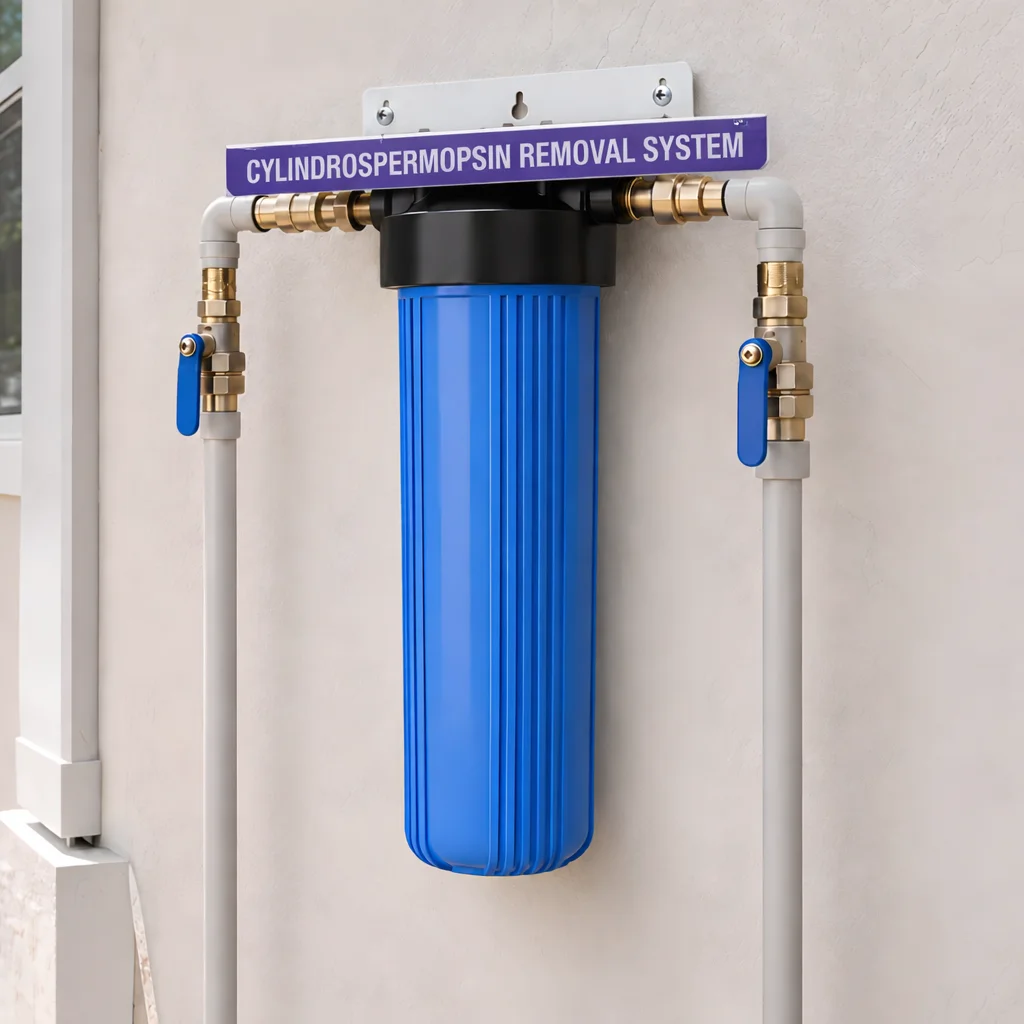
To reduce cylindrospermopsin at the main water entry, a whole-house activated carbon system is generally the best single-filter solution. Quality carbon media adsorbs many organic contaminants, including certain cyanotoxins and common taste-and-odor causes, and when sized for whole-house flow it treats water for every faucet without changing how you live. In Christmas, where well water can be hard and sometimes carry iron or sulfur odors depending on the aquifer, choosing the right carbon type and ensuring adequate contact time for your household’s demand is especially important.
Mr. Pure Water usually recommends a properly sized whole-house carbon tank rather than small cartridges when aiming to reduce trace contaminants like cylindrospermopsin. Larger media beds provide the longer contact time adsorption needs, and pre-filtration for sediment helps protect the carbon from clogging or channeling — a useful measure for rural Christmas wells. With correct sizing, design and a routine maintenance schedule, a carbon whole-house system delivers steady everyday treatment without the hassle of multiple point-of-use devices.
 407-214-2646
 info@bestwaterheater.com

