 Phone: 561-300-5075
 info@bestwaterheater.com
Phone: 561-300-5075
info@bestwaterheater.com
info@bestwaterheater.com
Phone: 561-300-5075
info@bestwaterheater.com
 Phone: 561-300-5075
info@bestwaterheater.com
Phone: 561-300-5075
info@bestwaterheater.com

Including filter system and high-performance DDT filter.


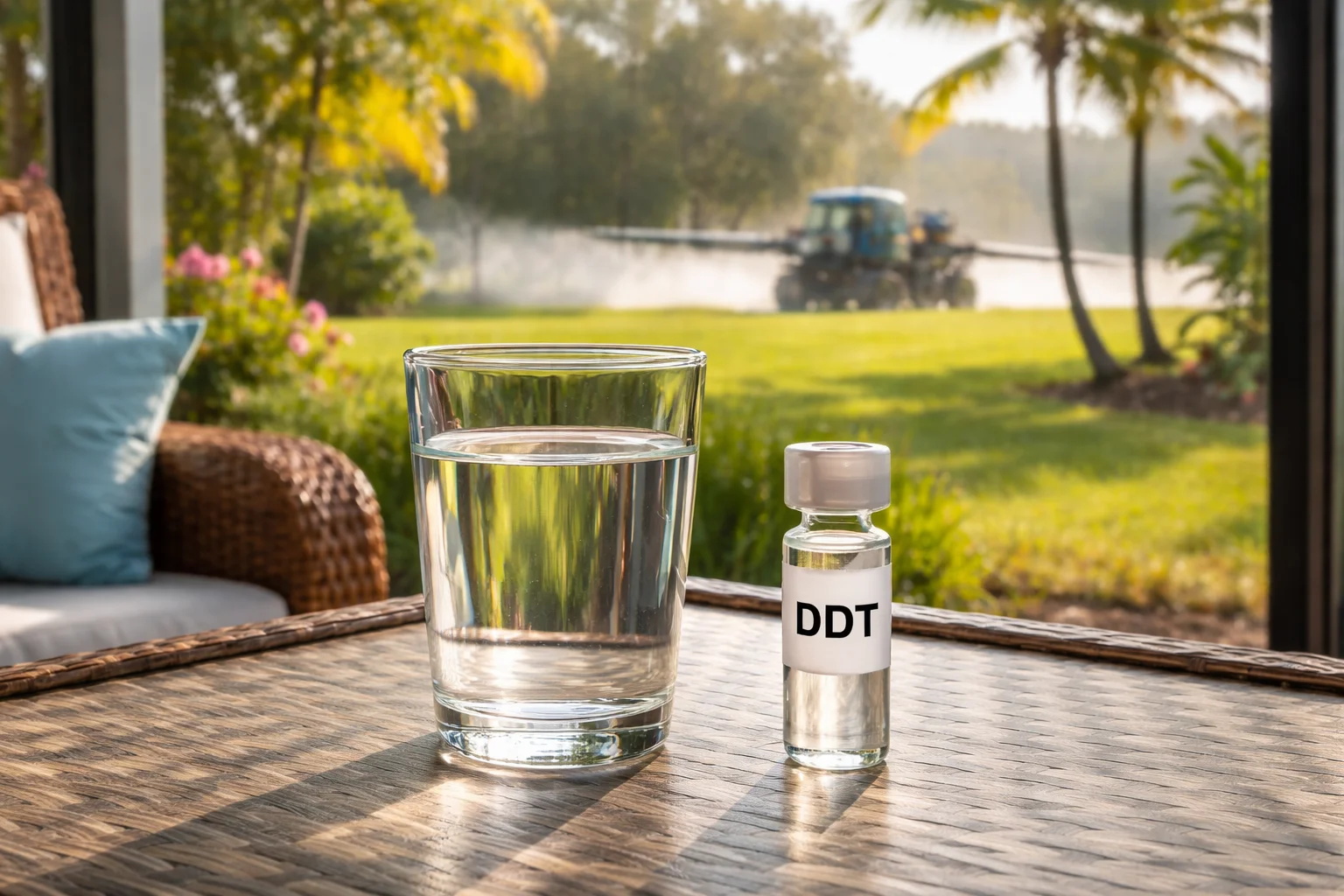
DDT is a legacy pesticide that can persist in the environment long after its use has stopped. Because it breaks down slowly, tiny amounts can sometimes enter water via runoff or disturbance of soils and sediments, and you usually won’t detect it by smell or taste. If you live in Delray Beach and are concerned about potential DDT in your household water, a targeted filtration strategy can reduce exposure at every faucet and shower in your home.
Water that appears clear can still carry trace contaminants, and DDT is often grouped with long-lasting organic chemicals that tend to bind to particles or natural organic matter. That behavior affects how it travels through sources and how best to remove it. The most reliable way to learn what’s in your supply is to test, especially for private wells or if you want extra assurance beyond municipal treatment. Whole-house filtration treats water before it reaches your kitchen, laundry, and showers—helpful in Delray Beach where hard, mineral-rich groundwater can already challenge fixtures and appliances.
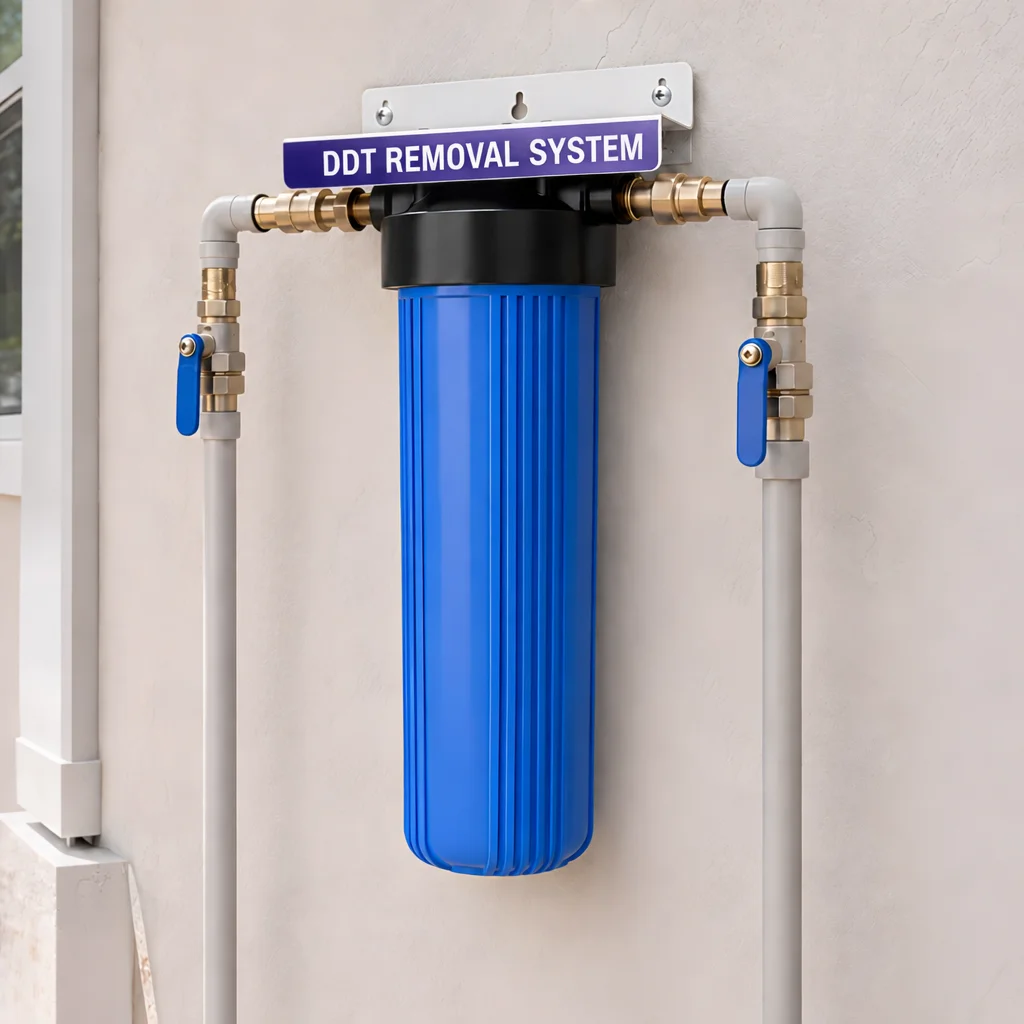
To reduce DDT throughout the home, a whole-house activated carbon filter is generally the single most effective option for homeowners. DDT is a hydrophobic organic compound, meaning it adsorbs well to high-quality carbon media. When sized correctly, a carbon tank treats the full household flow so cooking, bathing and laundry benefit—not just drinking water—without adding chemicals to your water in Delray Beach homes.
Not all carbon systems perform the same, so selecting the right media and size matters for DDT removal. Granular activated carbon (GAC) with adequate contact time and sufficient media volume is typically preferred for whole-house use because it improves adsorption as water passes through. Proper sizing for your family’s flow prevents water from rushing through too fast, and routine media replacement maintains effectiveness. Mr. Pure Water can help Delray Beach homeowners match a whole-house carbon system to local conditions, including our hard, limestone-influenced groundwater, so DDT reduction is built into daily water use.
 561-300-5075
 info@bestwaterheater.com

