 Phone: 561-300-5075
 info@bestwaterheater.com
Phone: 561-300-5075
info@bestwaterheater.com
info@bestwaterheater.com
Phone: 561-300-5075
info@bestwaterheater.com
 Phone: 561-300-5075
info@bestwaterheater.com
Phone: 561-300-5075
info@bestwaterheater.com

Including filter system and high-performance DEHP filter.


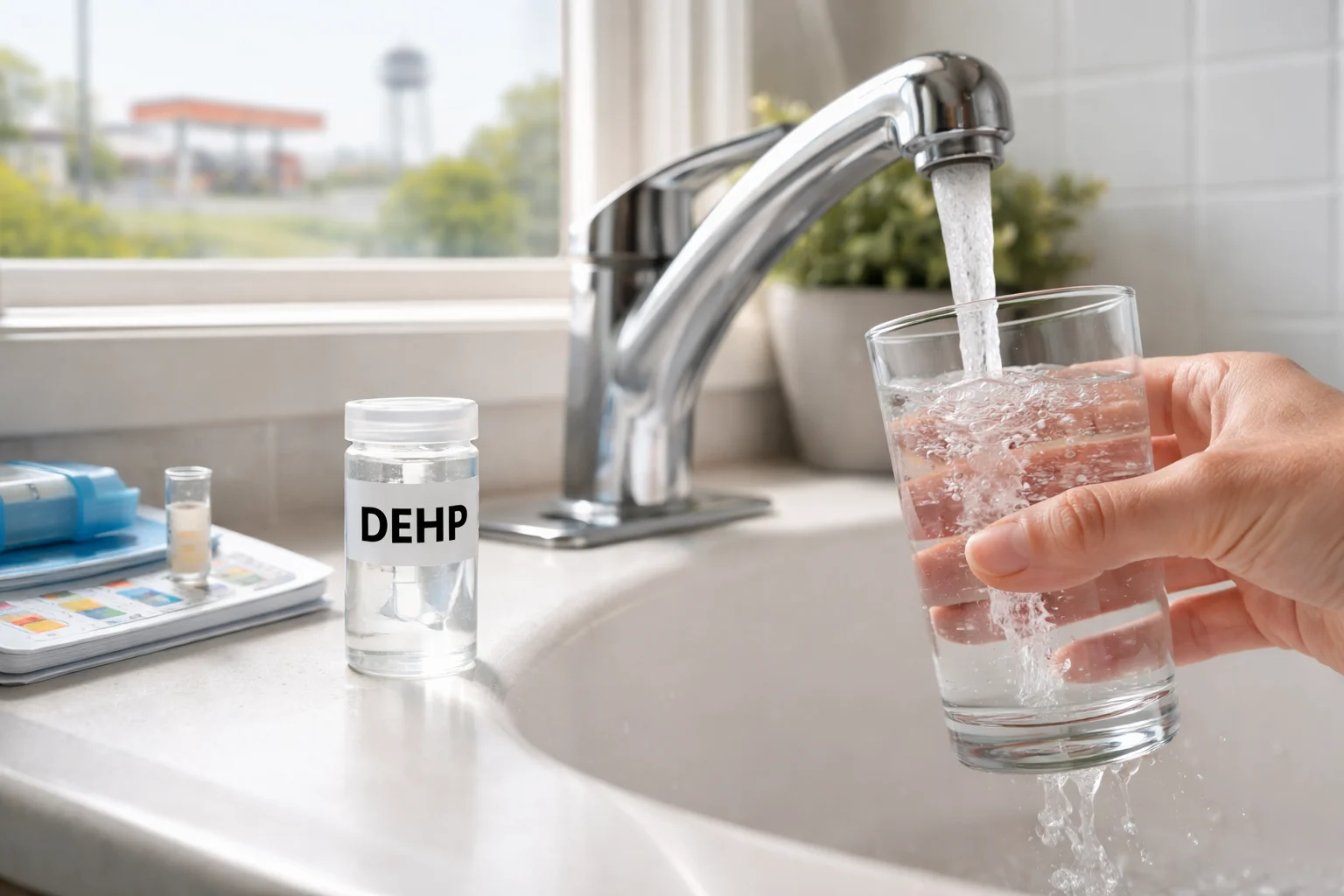
DEHP is a phthalate that can appear in water when plastics break down or chemicals slowly leach from products; it’s also called di(2-ethylhexyl) phthalate on lab reports. Because it’s linked to plastic materials, many Canal Point homeowners prefer to limit exposure in drinking and cooking water. When you want to address possible unhealthy levels, starting treatment where water enters your Canal Point house gives you control over all the water used indoors.
Compounds like DEHP often don’t change water’s taste, smell, or appearance, so families around Lake Okeechobee and the canals often review local water information or arrange testing for certainty. If testing finds di(2-ethylhexyl) phthalate, choose filtration aimed at organic chemicals rather than sediment-only systems. A whole-house solution makes sense in Canal Point because it protects water used for bathing, laundry, and dishwashing as well as the kitchen tap.
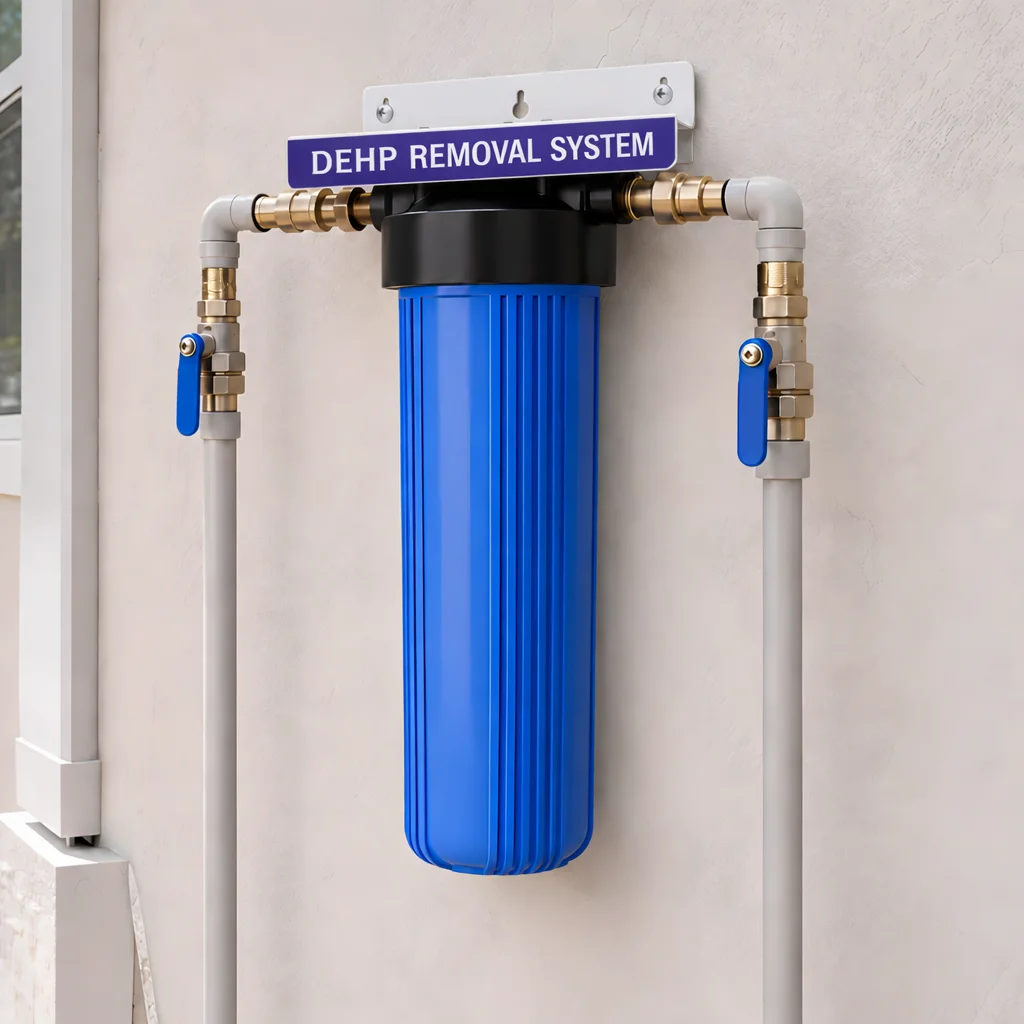
The most effective single-filter whole-house option for DEHP is a high-quality activated carbon filter—typically catalytic or a dense carbon media made for chemical adsorption. DEHP and other phthalates are organic and are captured when carbon’s porous surface attracts and holds those molecules, unlike particle-straining filters. Placed on the main line in your Canal Point home, a carbon whole-house filter treats water before it reaches faucets, showers, and appliances.
To maintain DEHP reduction in a humid subtropical place like Canal Point, the carbon filter must provide adequate contact time and media volume for your household flow, especially during simultaneous peak uses such as showers and laundry. Mr. Pure Water sizes whole-house activated carbon systems for Palm Beach County homes and recommends routine cartridge or media replacement because adsorption capacity is finite. With the right carbon system in place, Canal Point homeowners get consistent, home-wide protection and greater confidence in everyday water use.
 561-300-5075
 info@bestwaterheater.com

