 Phone: 772-290-5223
 info@bestwaterheater.com
Phone: 772-290-5223
info@bestwaterheater.com
info@bestwaterheater.com
Phone: 772-290-5223
info@bestwaterheater.com
 Phone: 772-290-5223
info@bestwaterheater.com
Phone: 772-290-5223
info@bestwaterheater.com

Including filter system and high-performance DEHP filter.


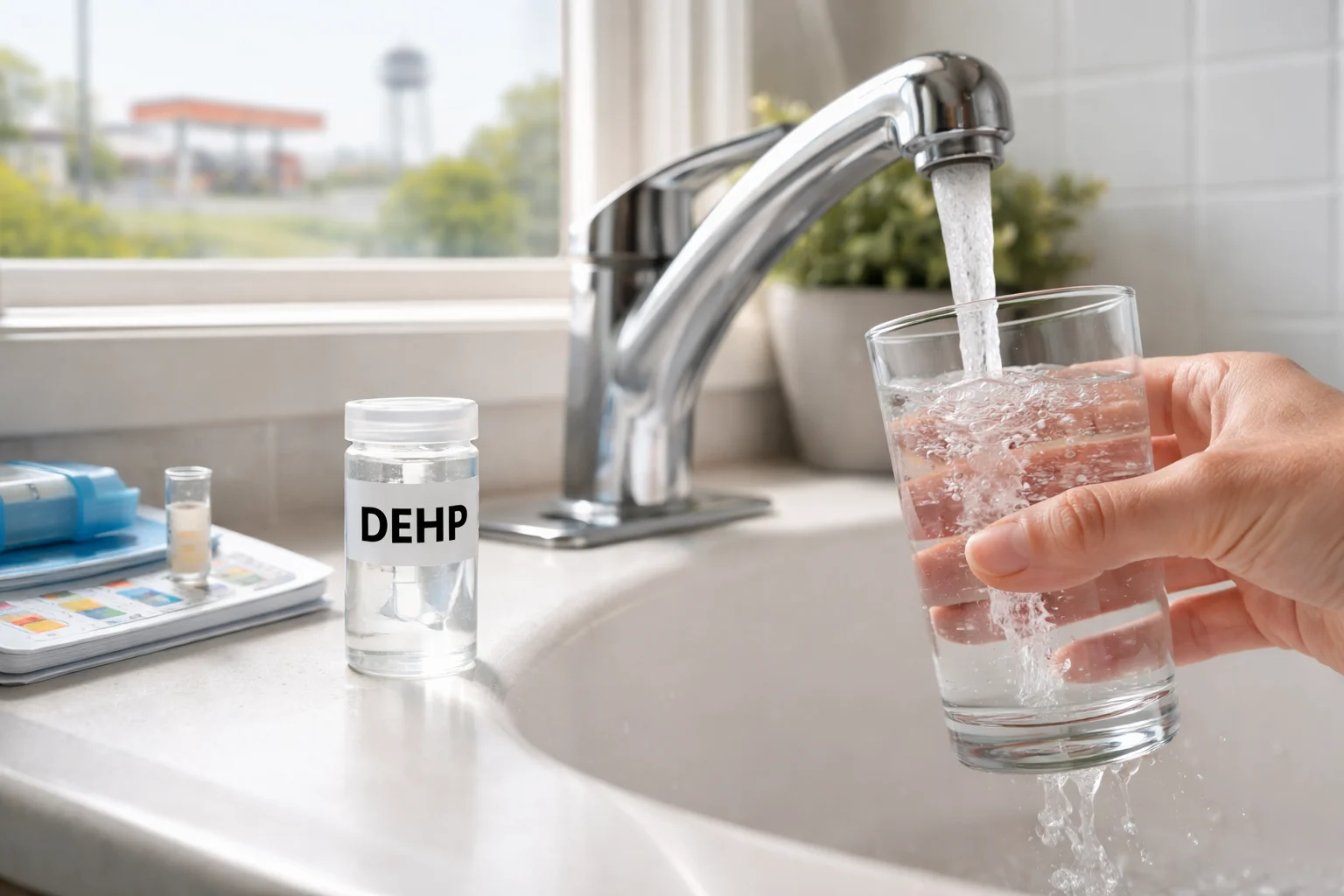
DEHP is a phthalate that can enter water when plastics break down or chemicals slowly leach from products; you may also see it listed as di(2-ethylhexyl) phthalate on lab reports. Because it’s linked to plastic materials, many homeowners prefer to limit their household exposure, especially in drinking and cooking water. If you’re in Port Mayaca and want to manage possible contamination from source waters tied to Lake Okeechobee or the Okeechobee Waterway, a focused treatment at the point your water enters the home is a practical first step.
Compounds like DEHP won’t necessarily change the taste, smell, or appearance of water, so local testing or reviewing area water information is a good idea for Port Mayaca households that want certainty. When di(2-ethylhexyl) phthalate is found, pick filtration aimed at organic chemicals rather than filters that only remove sediment. A whole-house system protects more than just the kitchen sink — it treats water used for bathing, laundry, and dishwashing around your Port Mayaca home.
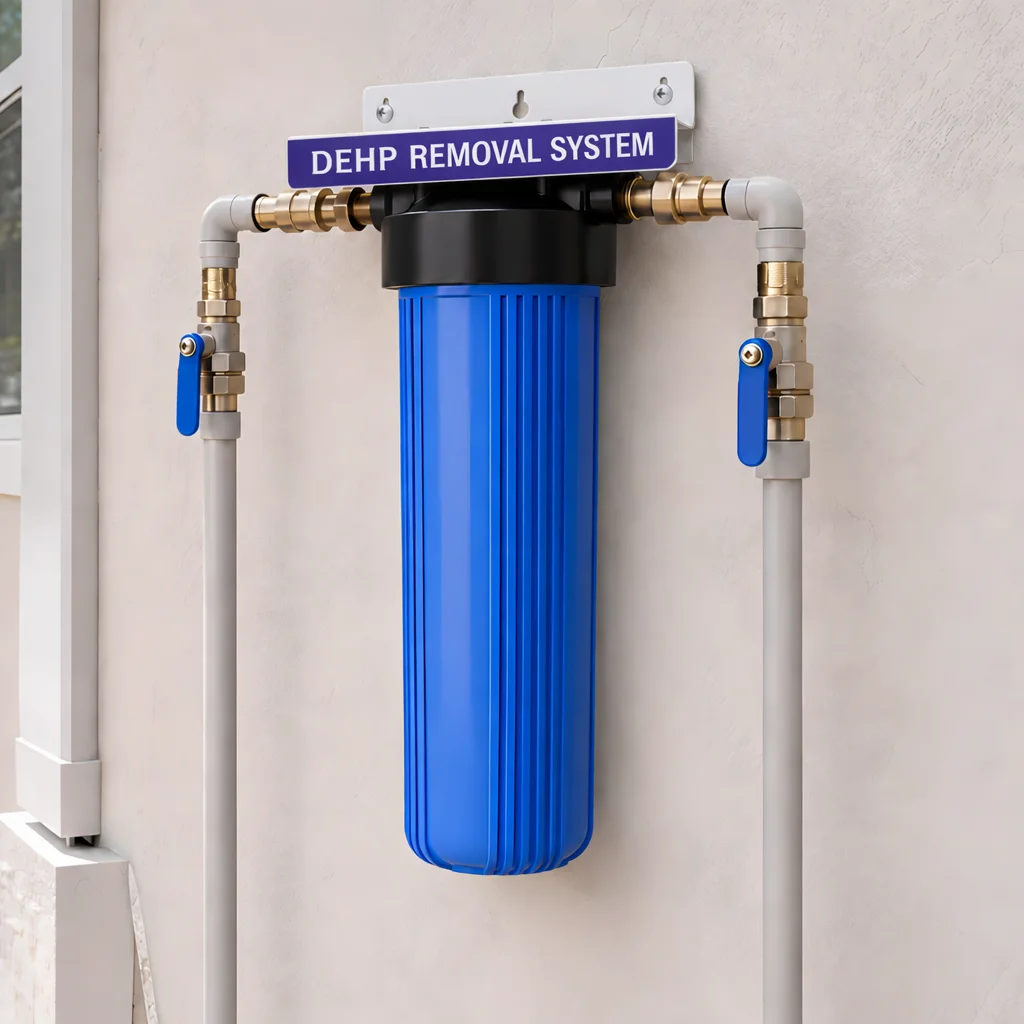
The best single-filter option for a whole-house system targeting DEHP is a high-quality activated carbon filter, commonly using catalytic or dense carbon media built for chemical adsorption. DEHP and other phthalates are organic molecules that carbon captures by adsorbing them into its porous structure, which is different from filters that merely strain particles. Installed at the main line serving your Port Mayaca property, a carbon whole-house filter treats water before it reaches faucets, showers, and appliances.
To maintain DEHP reduction in a humid subtropical area like Port Mayaca and nearby Canal Point, the carbon filter must provide proper contact time and enough media for your home’s peak flow during showers and laundry. Mr. Pure Water can size a whole-house activated carbon system to perform reliably for typical household demand and the moderate water hardness in this region. Regular cartridge or media replacement is also important because adsorption capacity is limited; with correctly specified carbon filtration, you get consistent home-wide protection and greater confidence in everyday water use.
 772-290-5223
 info@bestwaterheater.com

