 Phone: 850-772-1365
 info@bestwaterheater.com
Phone: 850-772-1365
info@bestwaterheater.com
info@bestwaterheater.com
Phone: 850-772-1365
info@bestwaterheater.com
 Phone: 850-772-1365
info@bestwaterheater.com
Phone: 850-772-1365
info@bestwaterheater.com

Including filter system and high-performance Dibromoacetic acid filter.


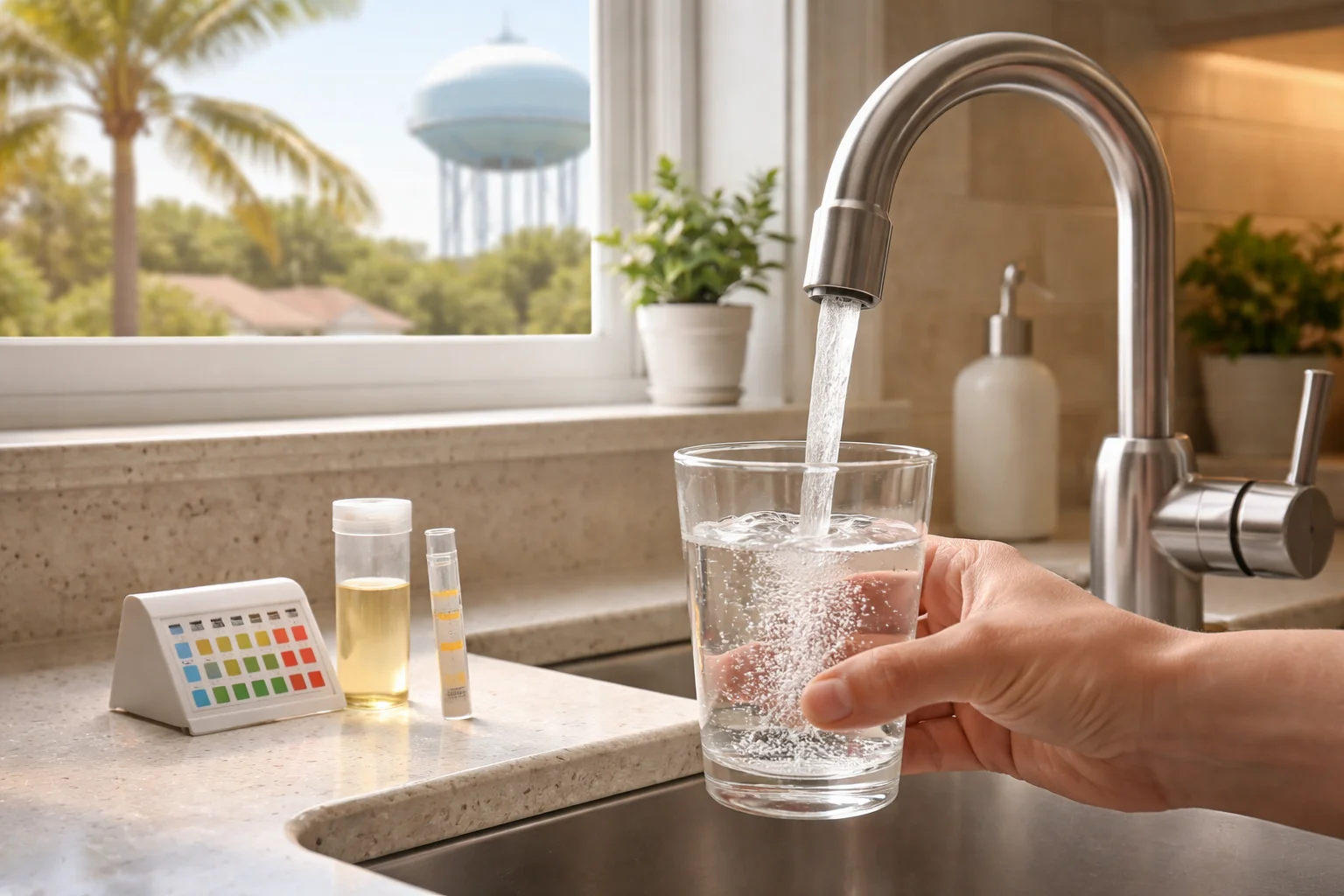
Dibromoacetic acid is one of the disinfection byproducts that can form when water is treated to control bacteria and other microbes. It often appears when chlorine or chloramine reacts with natural organic material in the source water, so it can be present even when water looks clear and tastes normal. Many New Home homeowners choose to address it as part of broader water-quality improvements to make sure their household water feels and performs better.
You won’t spot dibromoacetic acid by sight or taste, but utilities monitor it as part of the group of regulated disinfection byproducts; concentrations can shift with changes to source water and treatment practices. Because it stays dissolved, simple boiling won’t remove it reliably. For New Home residents who want coverage across every tap, a whole-house approach can reduce what flows from showers, sinks and laundry, not just the kitchen faucet.
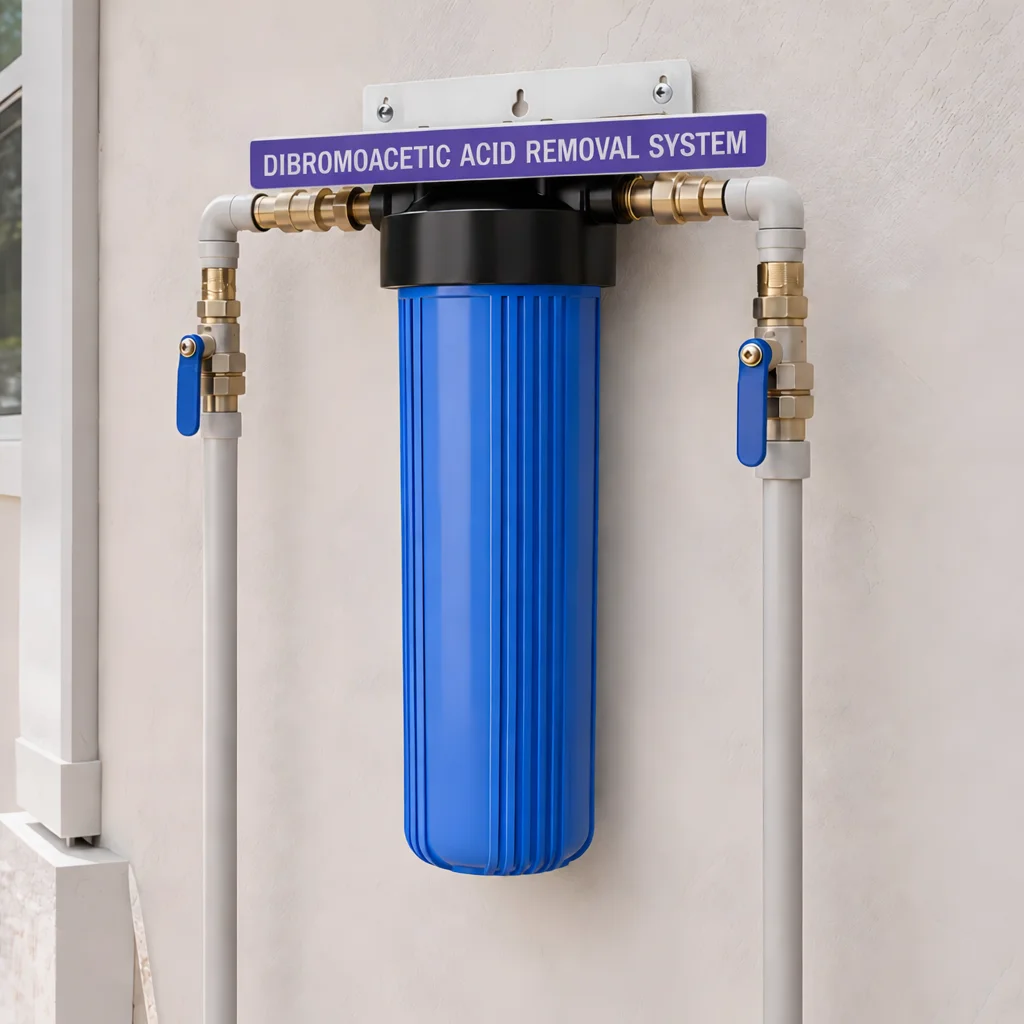
When treating dibromoacetic acid at the point of entry, a catalytic carbon whole-house filter is usually the best single-filter choice. Carbon media adsorbs many disinfection byproducts as water moves through the tank, and catalytic carbon is a more reactive form that can outperform standard activated carbon for certain chlorine-related compounds. Installed at your main line in New Home, a properly selected catalytic carbon tank treats water used for bathing, cooking and appliances throughout the house.
Effectiveness depends on contact time, so sizing a catalytic carbon system correctly for your household flow is just as important as the media itself. Homes with higher peak flows need a larger tank so water passes slowly enough for adsorption to work; routine media replacement also prevents channeling and maintains removal. Mr. Pure Water can assess your New Home property’s flow and recommend the right whole-house catalytic carbon system to meet your dibromoacetic acid reduction goals.
 850-772-1365
 info@bestwaterheater.com

