 Phone: 772-290-5223
 info@bestwaterheater.com
Phone: 772-290-5223
info@bestwaterheater.com
info@bestwaterheater.com
Phone: 772-290-5223
info@bestwaterheater.com
 Phone: 772-290-5223
info@bestwaterheater.com
Phone: 772-290-5223
info@bestwaterheater.com

Including filter system and high-performance Dichloroacetic acid filter.


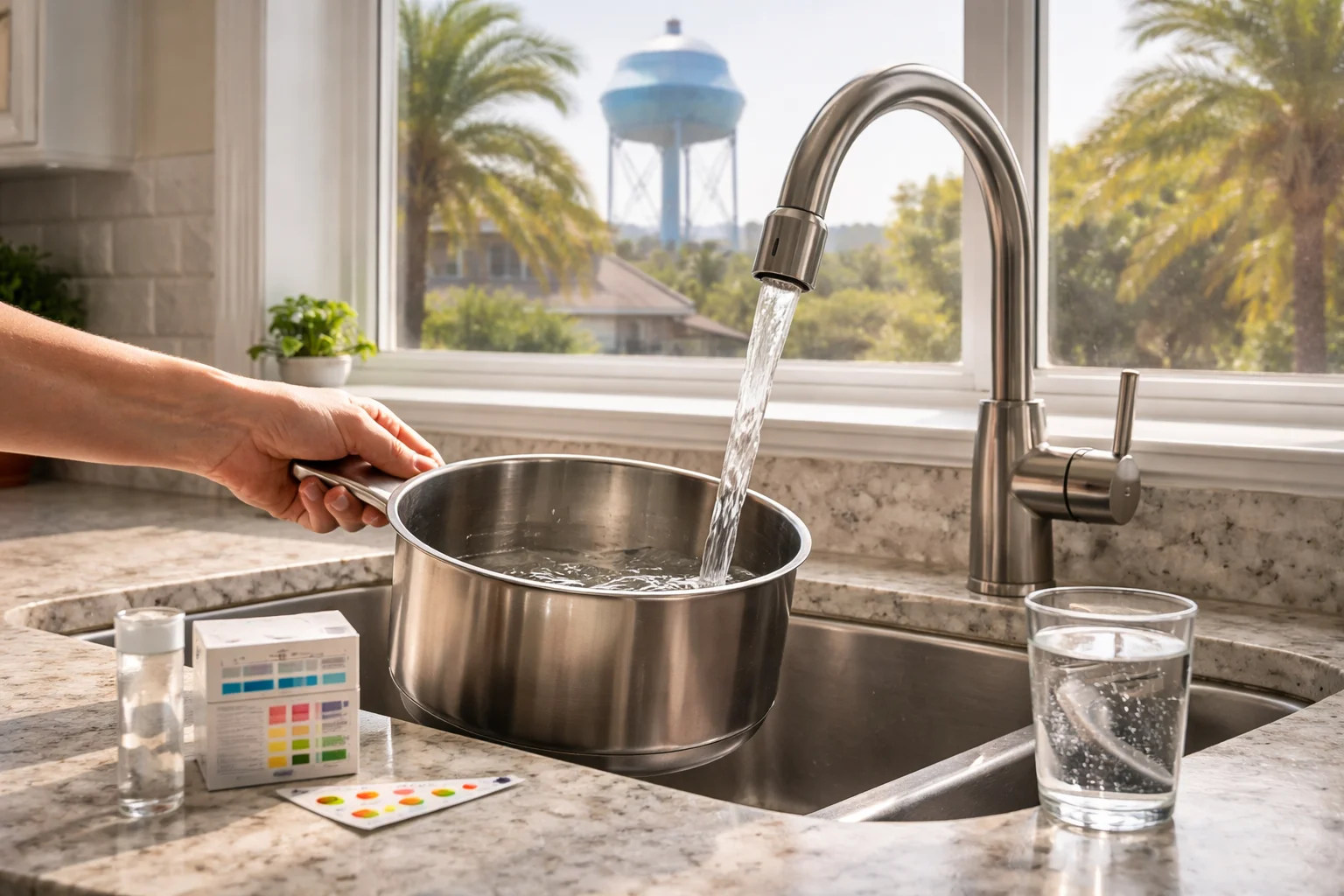
Dichloroacetic acid is a disinfection byproduct that can form when treated drinking water reacts with natural organic matter. Because it usually shows up at low concentrations and has no clear taste or odor, many Gifford homeowners won’t notice it without testing or a water quality report. Residents often learn about it after seeing lab results or news about haloacetic acids, and for people in the Vero Beach metro area who want reassurance, handling it where water enters the house is a sensible step.
Point-of-use solutions like pitchers or under-sink filters only protect a single faucet, leaving showers, laundry, dishwashers and ice makers untreated. A whole-house system provides coverage at every outlet in your Gifford home so daily routines don’t change while exposure is reduced. Dichloroacetic acid is commonly grouped with other haloacetic acids (HAAs) because they form in similar ways during disinfection—addressing them together is a practical approach to improving overall water quality in the Indian River County area.
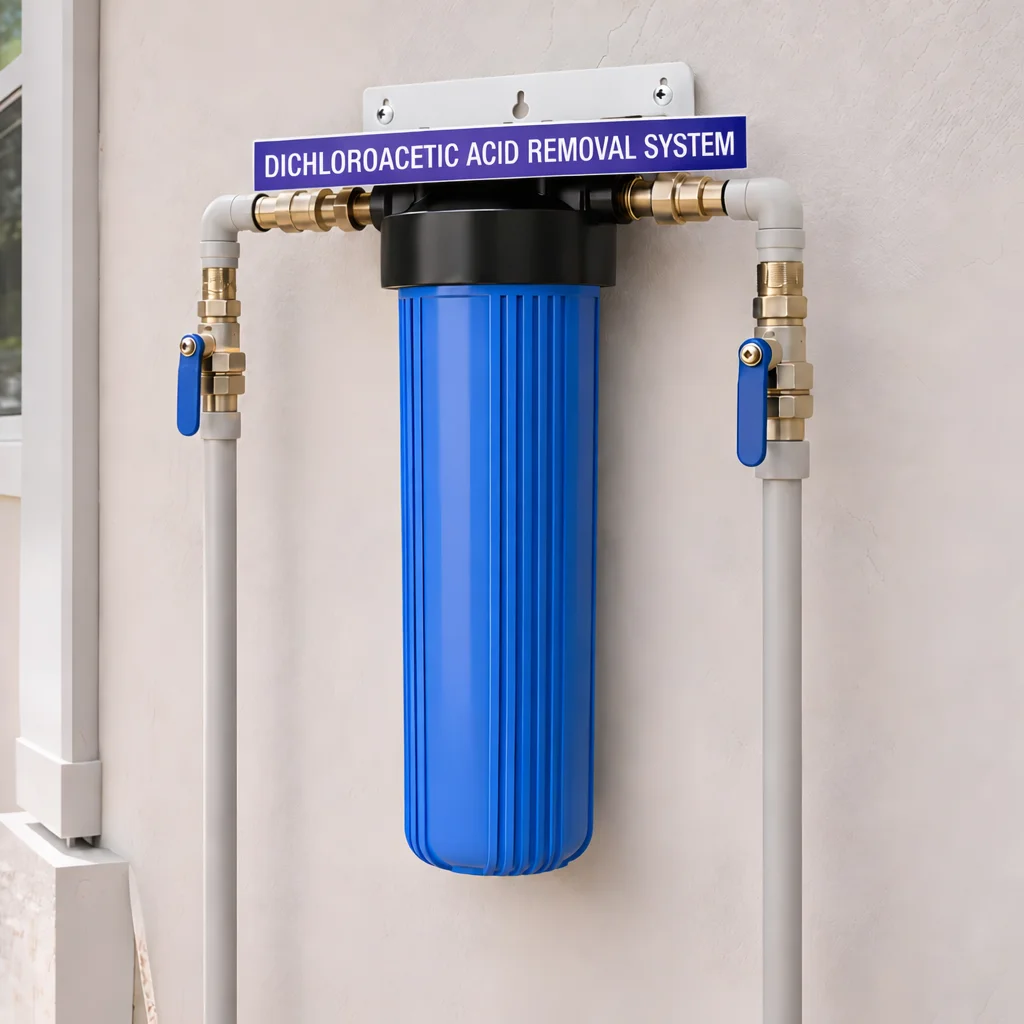
To cut dichloroacetic acid across a whole house, a whole-house activated carbon filter is generally the best single-filter choice. Carbon media adsorbs many disinfection byproducts as water passes through the tank, and installing the system at the main line means every tap in your Gifford residence benefits. This style of system can also help with other carbon-treatable concerns common in humid coastal Florida homes.
Not all carbon systems are built the same, so sizing and design matter for removing dichloroacetic acid. A larger carbon bed, correct flow rate and adequate contact time give the media a chance to capture contaminants before water reaches fixtures, and regular media replacement keeps performance consistent. Given Gifford’s often hard, mineral-rich water and coastal influences, Mr. Pure Water can help choose and size a whole-house activated carbon system to match your plumbing, water use and local conditions.
 772-290-5223
 info@bestwaterheater.com

