 Phone: 772-290-5223
 info@bestwaterheater.com
Phone: 772-290-5223
info@bestwaterheater.com
info@bestwaterheater.com
Phone: 772-290-5223
info@bestwaterheater.com
 Phone: 772-290-5223
info@bestwaterheater.com
Phone: 772-290-5223
info@bestwaterheater.com

Including filter system and high-performance Dichloroacetic acid filter.


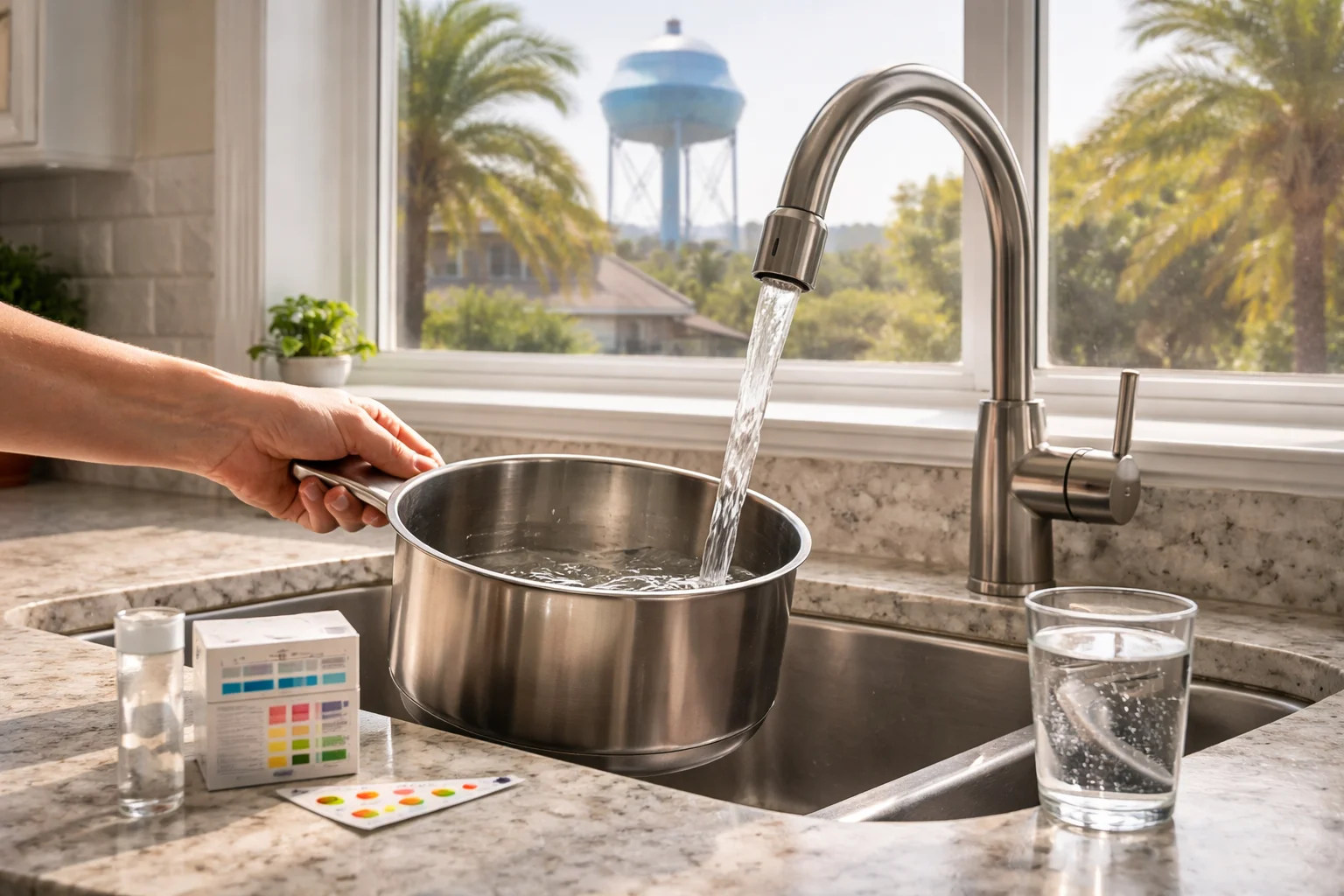
Dichloroacetic acid is a disinfection byproduct that can form when treated drinking water reacts with natural organic matter, and it often has no noticeable taste or smell. Homeowners in Naples Park may only learn about it from a water quality report, a lab test, or stories about disinfection byproducts, since it isn’t obvious during everyday use. If you want to be sure the water coming into your Collier County home is treated before it reaches faucets and appliances, handling it at the main service line is a sensible step.
Small point-of-use options like pitchers or under-sink filters protect a single tap but leave showers, laundry, dishwashers and ice makers unfiltered. A whole-house system covers those everyday uses so families around Naples Park and North Naples can reduce exposure without changing routines. Dichloroacetic acid is one of several haloacetic acids (HAAs) that form through similar treatment reactions, so addressing these byproducts together is a practical way to improve overall water quality in your home.
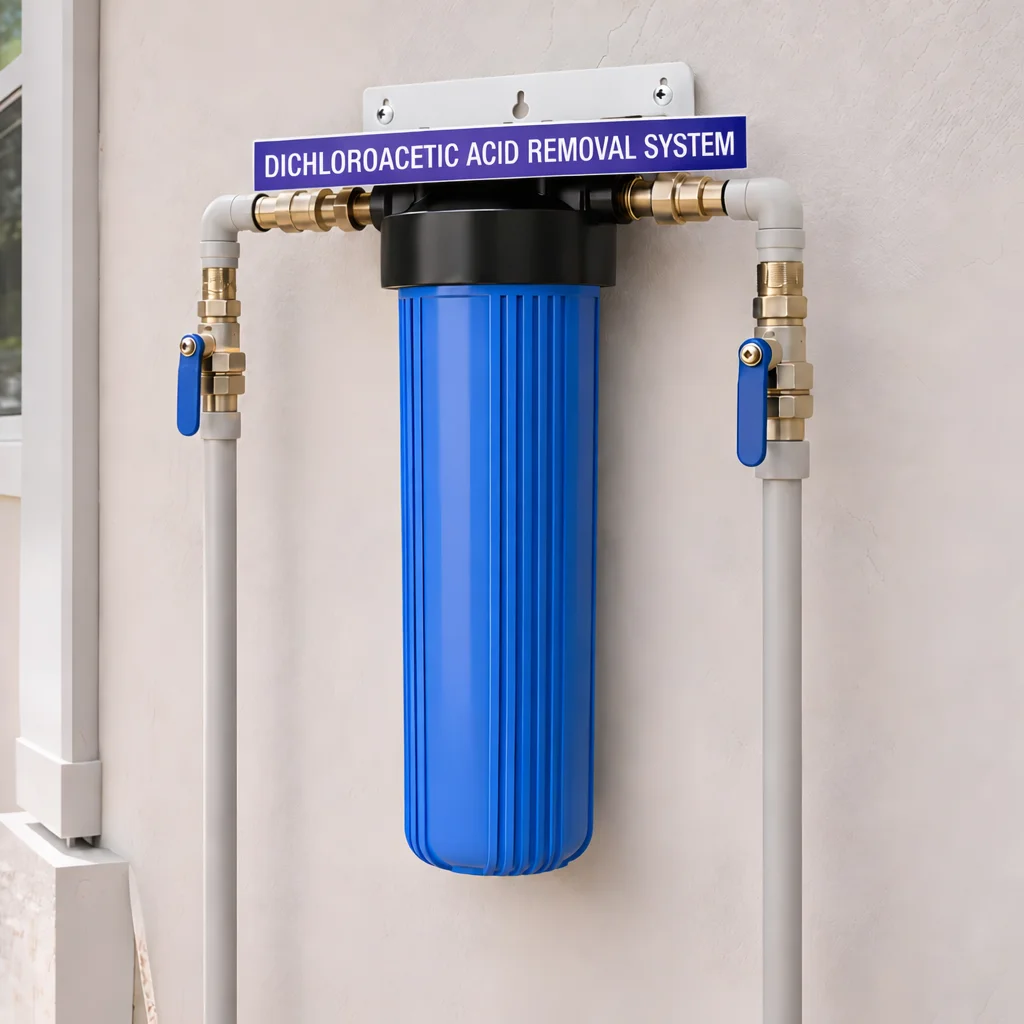
A whole-house activated carbon filter is generally the most effective single-filter choice for reducing dichloroacetic acid throughout a residence. Carbon media adsorbs many disinfection byproducts as water passes through the tank, and installing the system at the main line treats water for every tap. In Naples Park — where hard water and coastal humidity can affect plumbing — a properly installed carbon system also helps with other carbon-treatable issues, improving water feel and performance across the house.
Carbon systems vary, so sizing and configuration matter for consistent dichloroacetic acid reduction. A larger carbon bed, controlled flow rate and enough contact time give the media a chance to adsorb contaminants before water reaches fixtures, and media must be replaced on schedule because carbon’s capacity is limited. Mr. Pure Water can assess your Naples Park home — considering plumbing layout, typical water use and common Southwest Florida conditions like hard water — and recommend a correctly sized whole-house activated carbon system for reliable results.
 772-290-5223
 info@bestwaterheater.com

