 Phone: 954-208-3500
 info@bestwaterheater.com
Phone: 954-208-3500
info@bestwaterheater.com
info@bestwaterheater.com
Phone: 954-208-3500
info@bestwaterheater.com
 Phone: 954-208-3500
info@bestwaterheater.com
Phone: 954-208-3500
info@bestwaterheater.com

Including filter system and high-performance Dichloroacetic acid filter.


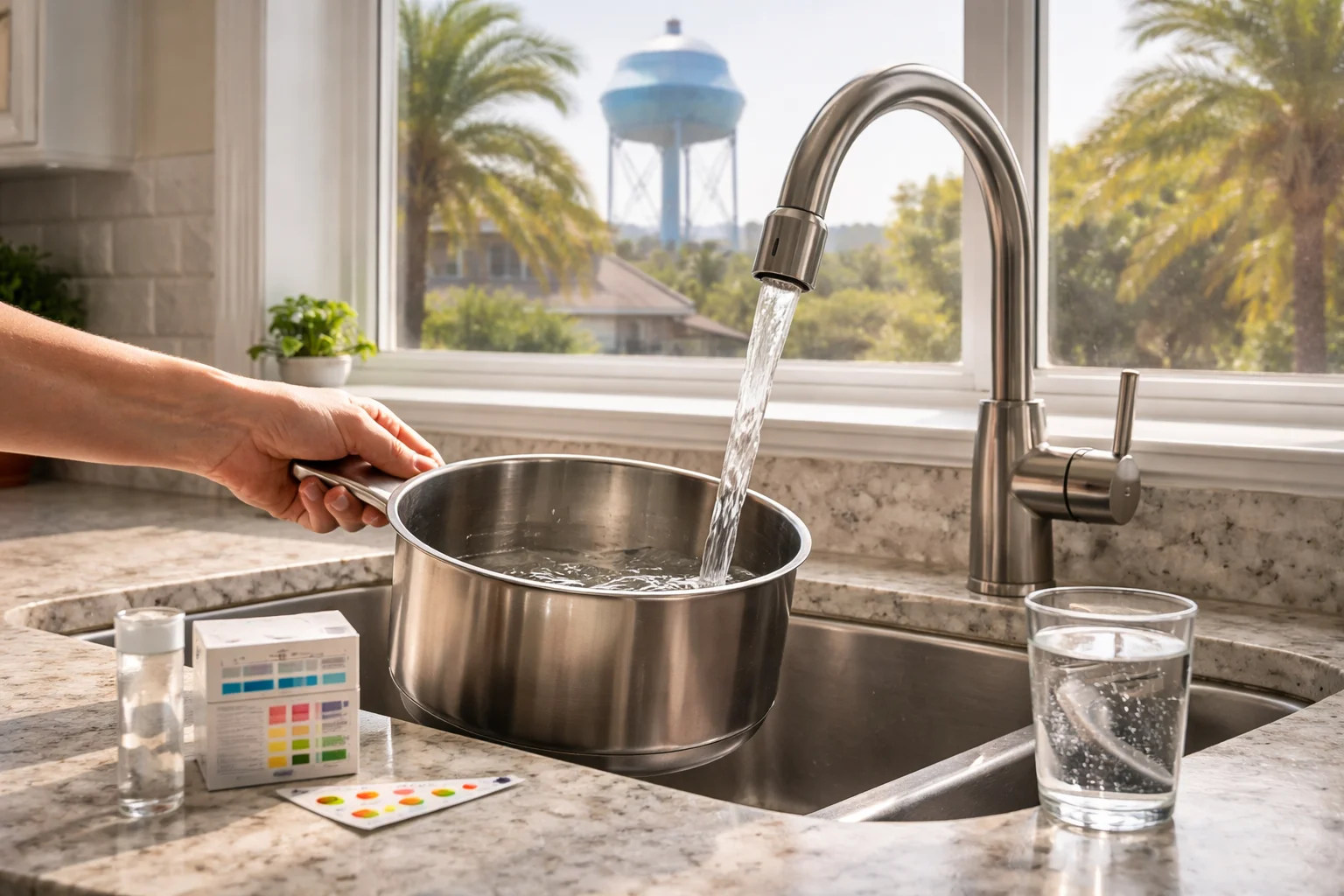
Dichloroacetic acid is a disinfection byproduct that can form when municipal water is treated and then reacts with natural organic matter. Because it usually appears at low concentrations and has no reliable taste or odor, Plantation homeowners often don’t suspect it’s present until a water quality report, lab test, or public discussion about disinfection byproducts prompts investigation. If you want consistent confidence in the water used for showers, laundry and cooking in your Broward County home, addressing potential byproducts where the water enters the house is a sensible step.
Point-of-use options like pitchers or under-sink filters protect a single tap, but they leave showers, washing machines, dishwashers and ice makers untreated. A whole-house system treats every outlet in your Plantation residence so you and your family reduce exposure without changing daily habits. Dichloroacetic acid is part of the haloacetic acids (HAAs) family, which are often considered together because they form through similar treatment processes—targeting these byproducts can make a meaningful difference in overall home water quality.
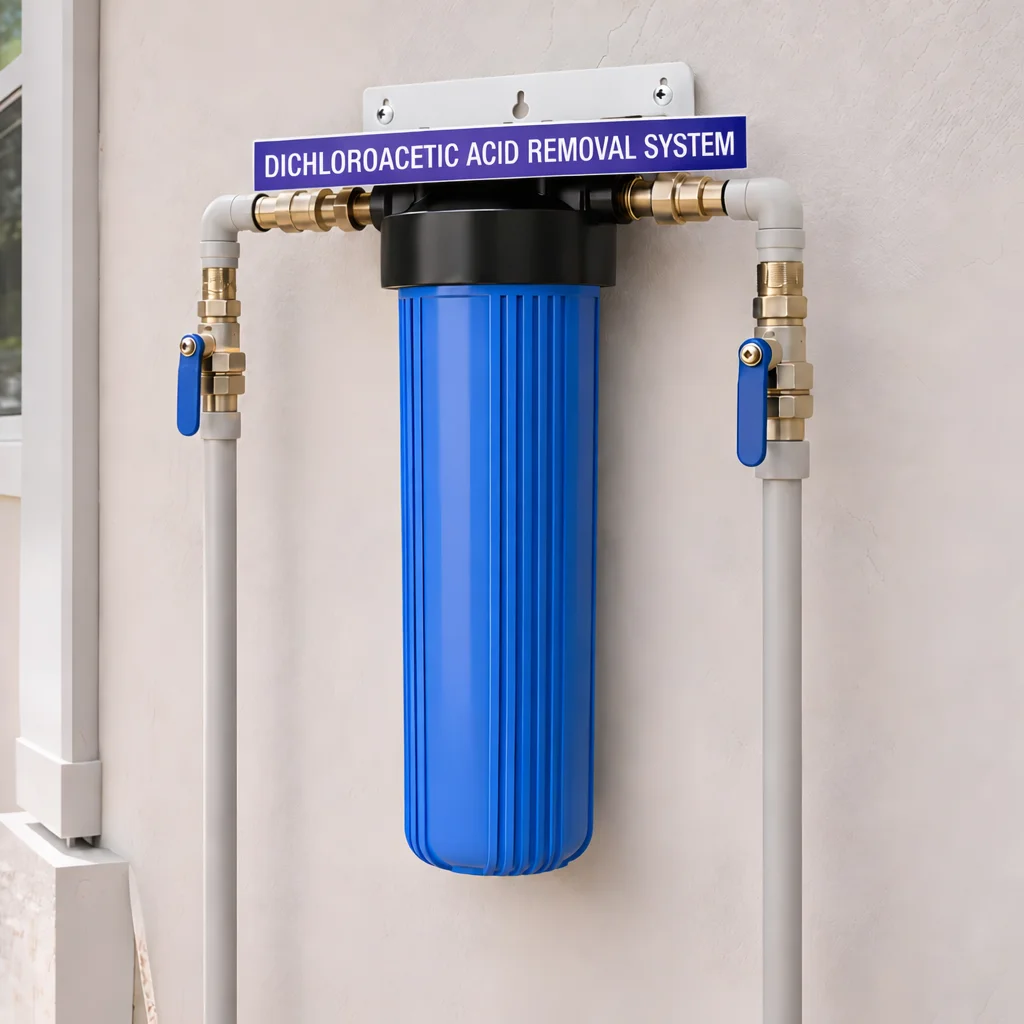
To lower dichloroacetic acid throughout the plumbing, a whole-house activated carbon filter is generally the most effective single-filter choice. Carbon media adsorbs many disinfection byproducts as water passes through the tank, and installing it at the main line means every faucet and shower in your Plantation home receives treated water. This approach also helps with other carbon-treatable concerns commonly found in South Florida water.
Not all activated carbon systems are equal, so sizing and specifications matter for removing dichloroacetic acid. A larger carbon bed, appropriate flow rate, and adequate contact time give the media a better chance to capture byproducts before water reaches fixtures, and regular media replacement is necessary because carbon’s capacity is limited. Mr. Pure Water can assess your Plantation plumbing, consider local hard water conditions, and recommend a properly sized whole-house activated carbon system to deliver reliable results.
 954-208-3500
 info@bestwaterheater.com

