 Phone: 772-290-5223
 info@bestwaterheater.com
Phone: 772-290-5223
info@bestwaterheater.com
info@bestwaterheater.com
Phone: 772-290-5223
info@bestwaterheater.com
 Phone: 772-290-5223
info@bestwaterheater.com
Phone: 772-290-5223
info@bestwaterheater.com

Including filter system and high-performance Dichloroacetic acid filter.


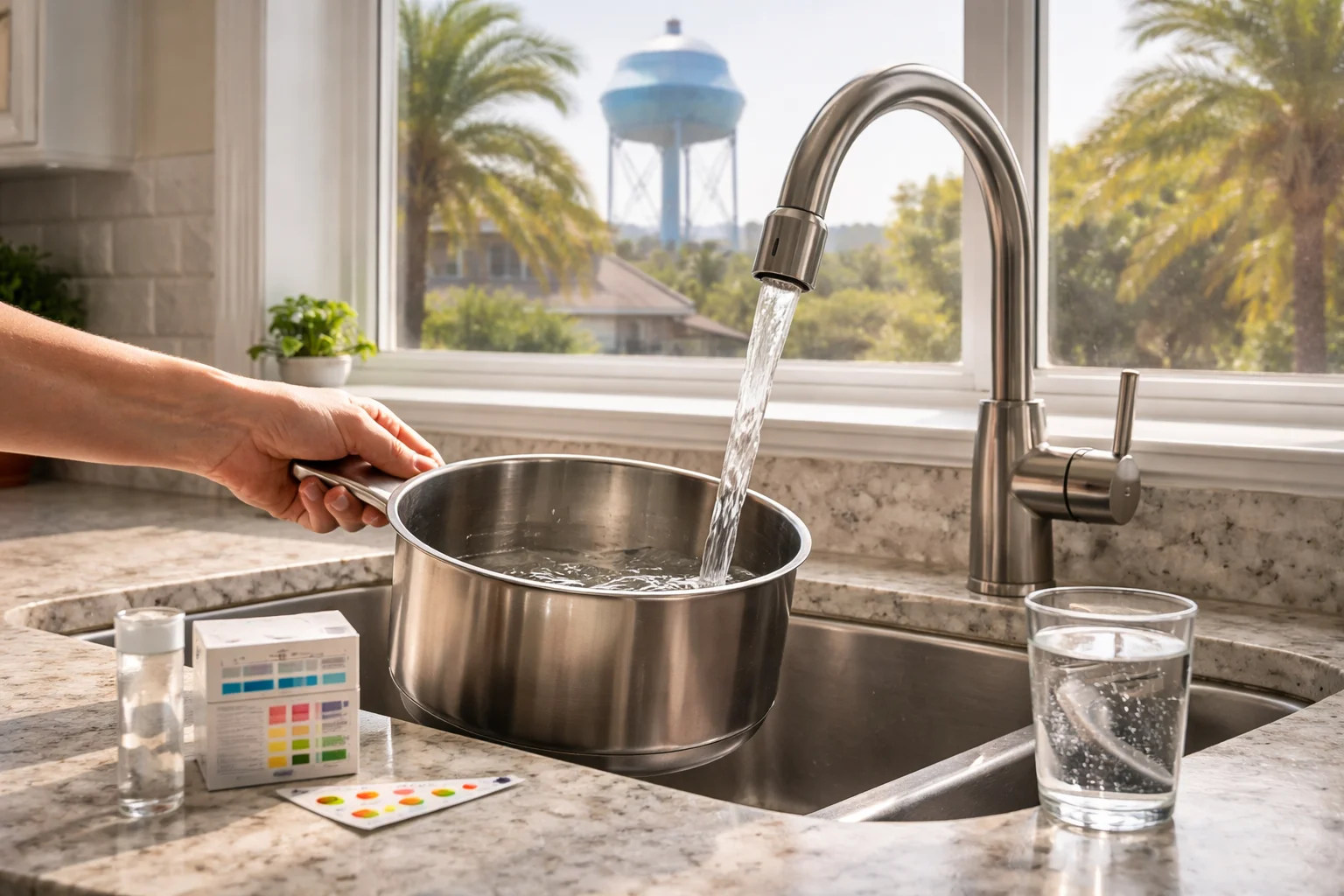
Dichloroacetic acid is a disinfection byproduct that can form when drinking water is treated and then reacts with natural organic matter. Because it usually occurs at low concentrations and has no reliable taste or odor, most Port Salerno homeowners wouldn’t notice it without testing or seeing it listed on a water quality report. People in Martin County often learn about these byproducts after lab results or community reports, and choosing to treat water at the point it enters your home gives you whole-house peace of mind.
A countertop pitcher or an under-sink cartridge only protects a single faucet, leaving showers, washing machines, dishwashers and ice makers untreated. A whole-house system covers every tap and appliance in your Port Salerno residence so you don’t have to change daily habits. Dichloroacetic acid is part of the haloacetic acids family (often called HAAs), which are discussed together because they form through similar treatment reactions—so addressing them at the main line is a practical step for overall water quality in our Treasure Coast homes.
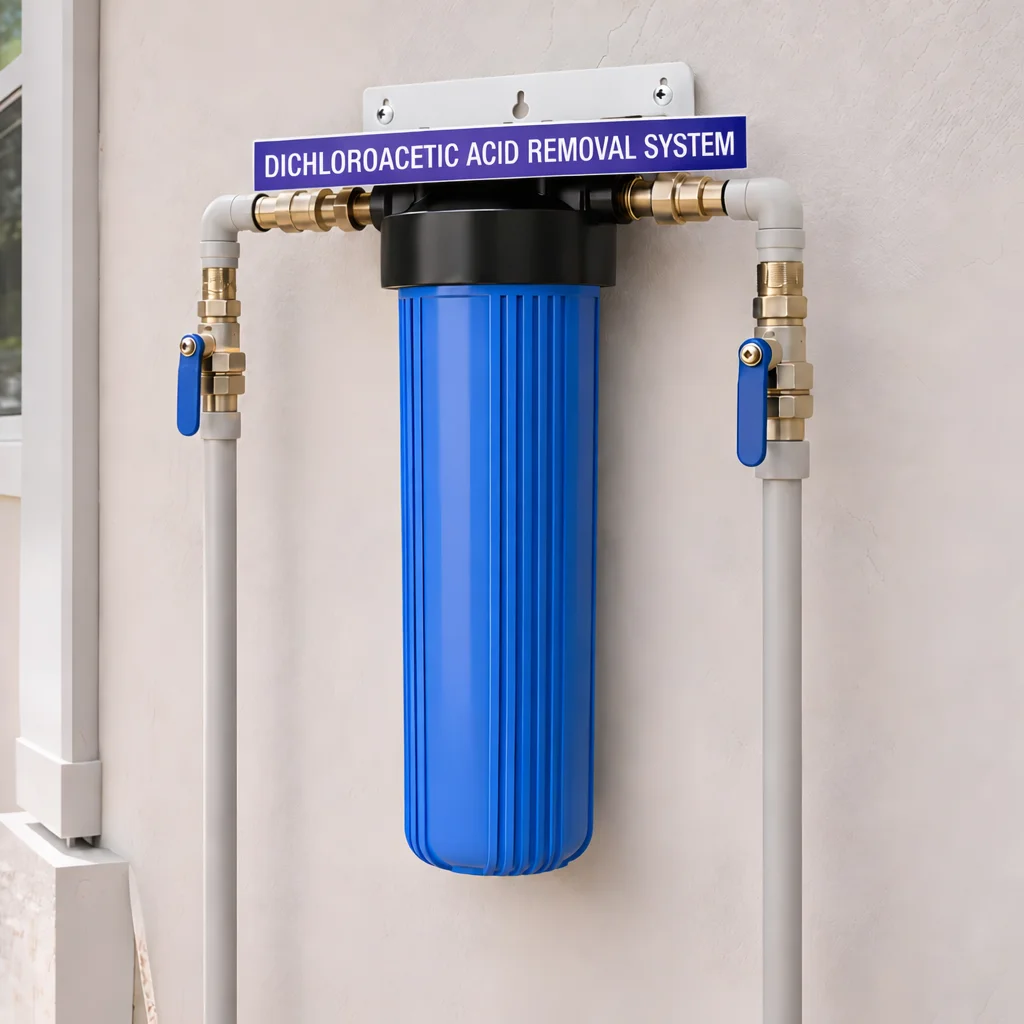
To reduce dichloroacetic acid throughout a house, the most effective single-filter choice is a whole-house activated carbon system. Carbon media adsorbs many disinfection byproducts as water passes through the tank, and installing it at the main water line means every tap in your Port Salerno home benefits. This approach also helps with other issues carbon treats, which can be useful in our hard-water area where scale and everyday water quality matter.
Carbon systems vary in performance, so sizing and design are important for managing dichloroacetic acid. A deeper carbon bed, correct flow rate and enough contact time improve removal before water reaches plumbing in neighborhoods like Manatee Pocket or Salerno Shores. Routine media replacement is essential because carbon’s capacity is limited and effectiveness drops as it becomes exhausted. Mr. Pure Water can evaluate your Port Salerno home—considering hard water and typical household use—and recommend a properly sized whole-house activated carbon system for consistent results.
 772-290-5223
 info@bestwaterheater.com

