 Phone: 954-208-3500
 info@bestwaterheater.com
Phone: 954-208-3500
info@bestwaterheater.com
info@bestwaterheater.com
Phone: 954-208-3500
info@bestwaterheater.com
 Phone: 954-208-3500
info@bestwaterheater.com
Phone: 954-208-3500
info@bestwaterheater.com

Including filter system and high-performance Diclofenac filter.


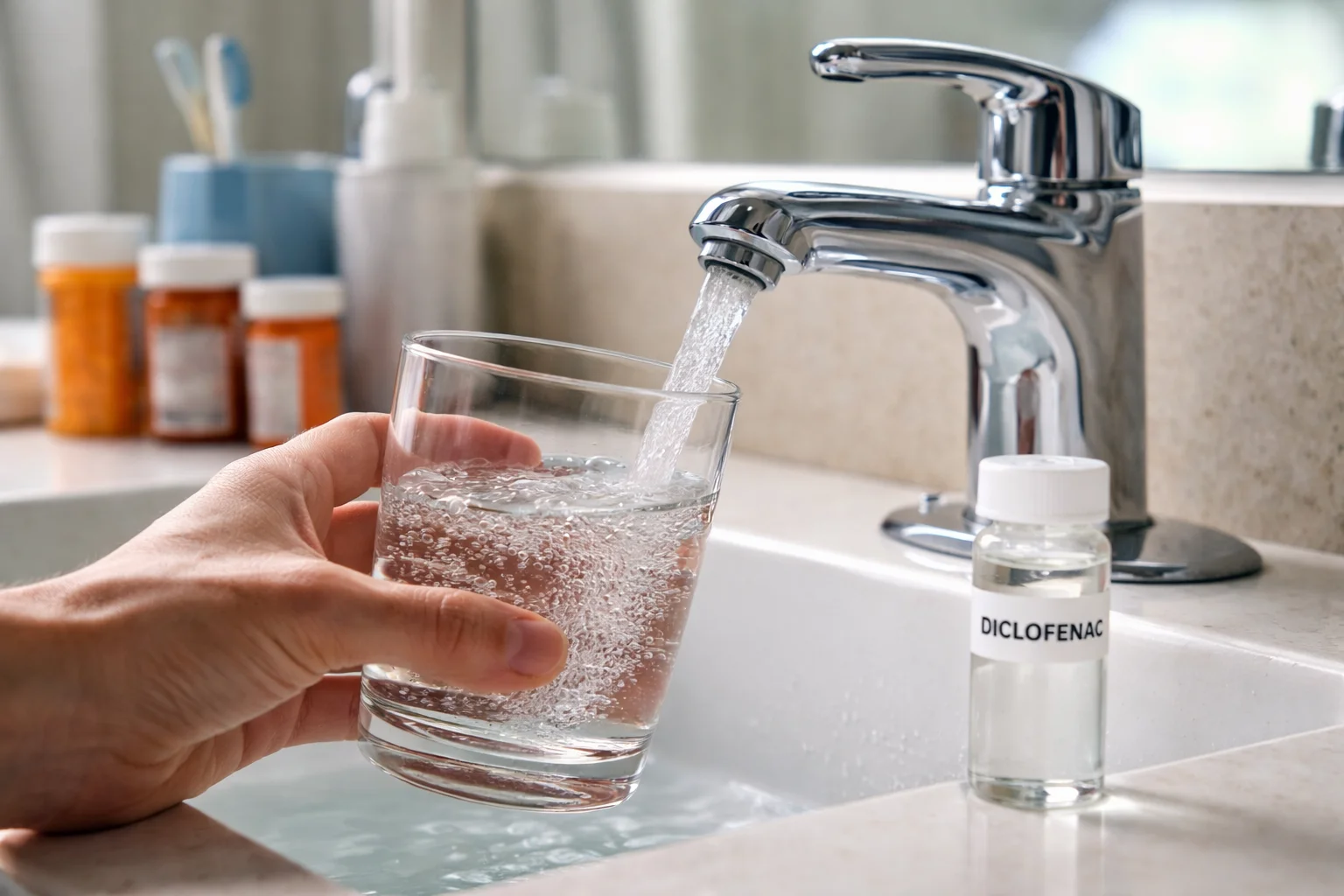
Diclofenac is a widely used anti-inflammatory, and trace amounts can occasionally appear in water when pharmaceuticals enter waterways. Because you can’t reliably see, smell, or taste it, Davie homeowners often only find out about its presence through testing or regional water-quality reports. Even when concentrations are low enough not to affect taste or clarity, many families in Broward County choose to reduce pharmaceutical residues as part of an overall plan to protect household water used for drinking, bathing, and laundry.
Medicines such as diclofenac can reach the environment through everyday use and disposal and sometimes persist in parts of the water cycle. Municipal treatment systems focus on microbiological safety but aren’t always tailored to remove every trace organic compound; private well owners around Davie and nearby Pine Island Ridge or Long Lake Ranches may share similar concerns depending on land use and groundwater conditions. If you want extra reassurance, start with testing and consider pairing results with targeted filtration.
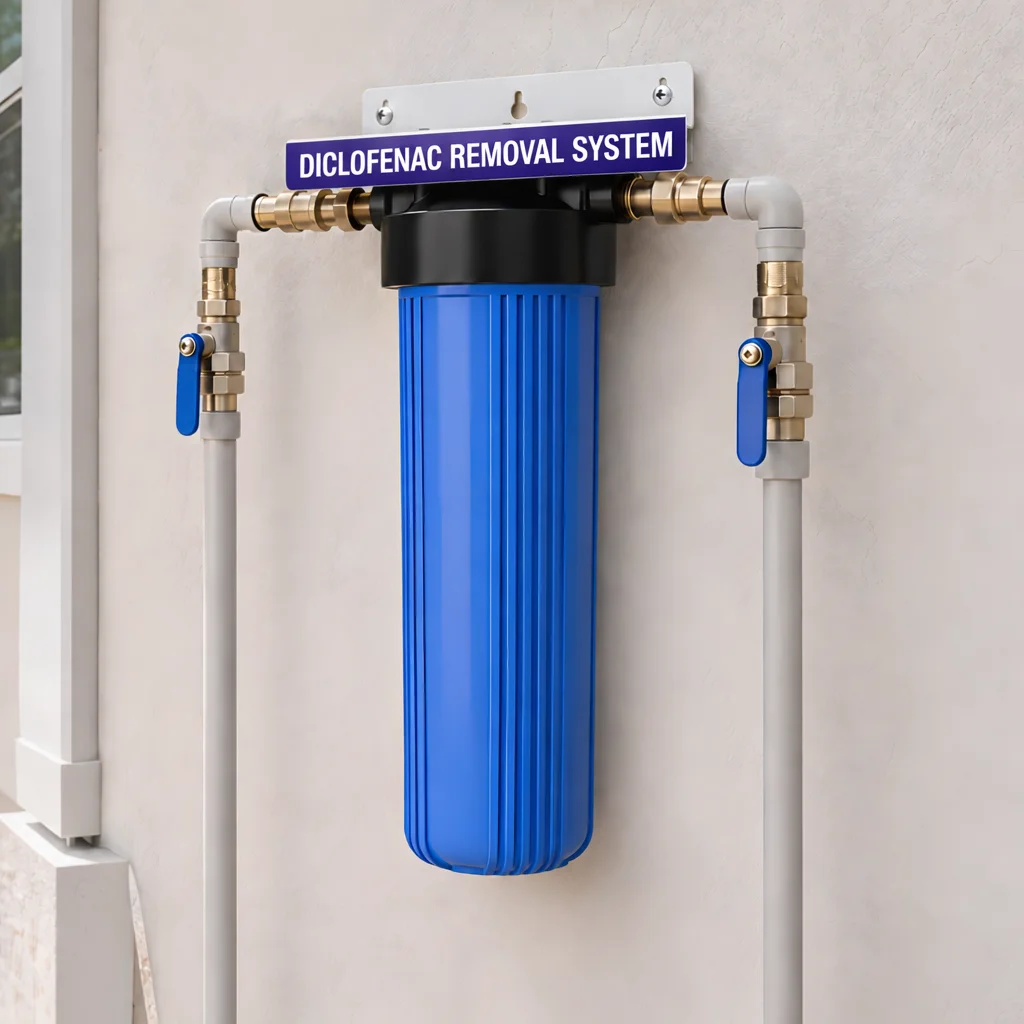
To reduce diclofenac throughout your home, a whole-house activated carbon filter is generally the most effective single-filter option. Activated carbon adsorbs many organic compounds, including various pharmaceutical residues, as water moves through the media. Properly sized for a Davie household—where hard water and scale from South Florida conditions are common—this system treats water at the point of entry so every tap, shower, and appliance benefits without changing how you use water.
Not all activated carbon performs the same; effectiveness depends on high-quality carbon media, sufficient contact time, and the correct flow rate for your home. Installed where water enters a Davie property, a whole-house system delivers treated water to showers, faucets, laundry, and appliances, and requires routine cartridge or media replacement to maintain adsorption capacity. Mr. Pure Water can help size the system and set a maintenance schedule that fits local conditions, including hard water considerations and seasonal impacts after storms.
 954-208-3500
 info@bestwaterheater.com

