 Phone: 850-772-1365
 info@bestwaterheater.com
Phone: 850-772-1365
info@bestwaterheater.com
info@bestwaterheater.com
Phone: 850-772-1365
info@bestwaterheater.com
 Phone: 850-772-1365
info@bestwaterheater.com
Phone: 850-772-1365
info@bestwaterheater.com

Including filter system and high-performance E. coli filter.


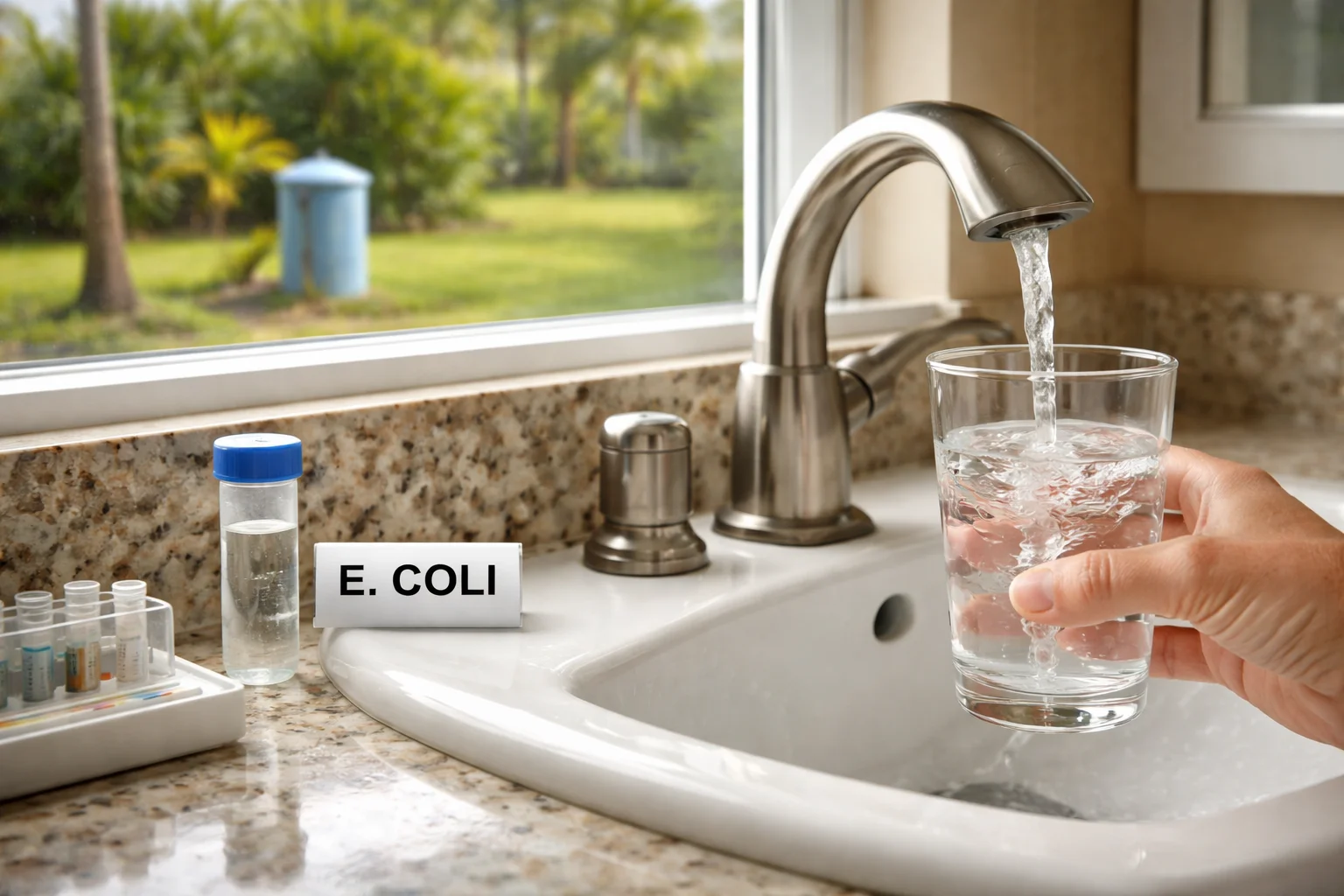
Finding E. coli in household water is a warning that bacteria may be entering the system somewhere between the source and your taps. In Ferry Pass, that risk can come from breaks or leaks in distribution lines, cross‑connections in plumbing, or vulnerable private wells allowing contamination from human or animal waste. Clear water isn’t always safe—bacteria can be present without visible signs—so many local homeowners only discover issues after testing, advisories, or repeated complaints about water quality.
Some residents are particularly concerned about E. coli O157, a strain noted for causing more serious illness, but whether the result shows general E. coli or E. coli O157 the home priority is the same: stop bacteria from getting into the water you drink, cook with, and bathe in. Temporary steps like boiling treat water at a single faucet, yet they don’t safeguard every outlet in your Ferry Pass home. A whole‑house solution is designed to deliver treated water consistently to the kitchen, bathrooms, laundry and showers.
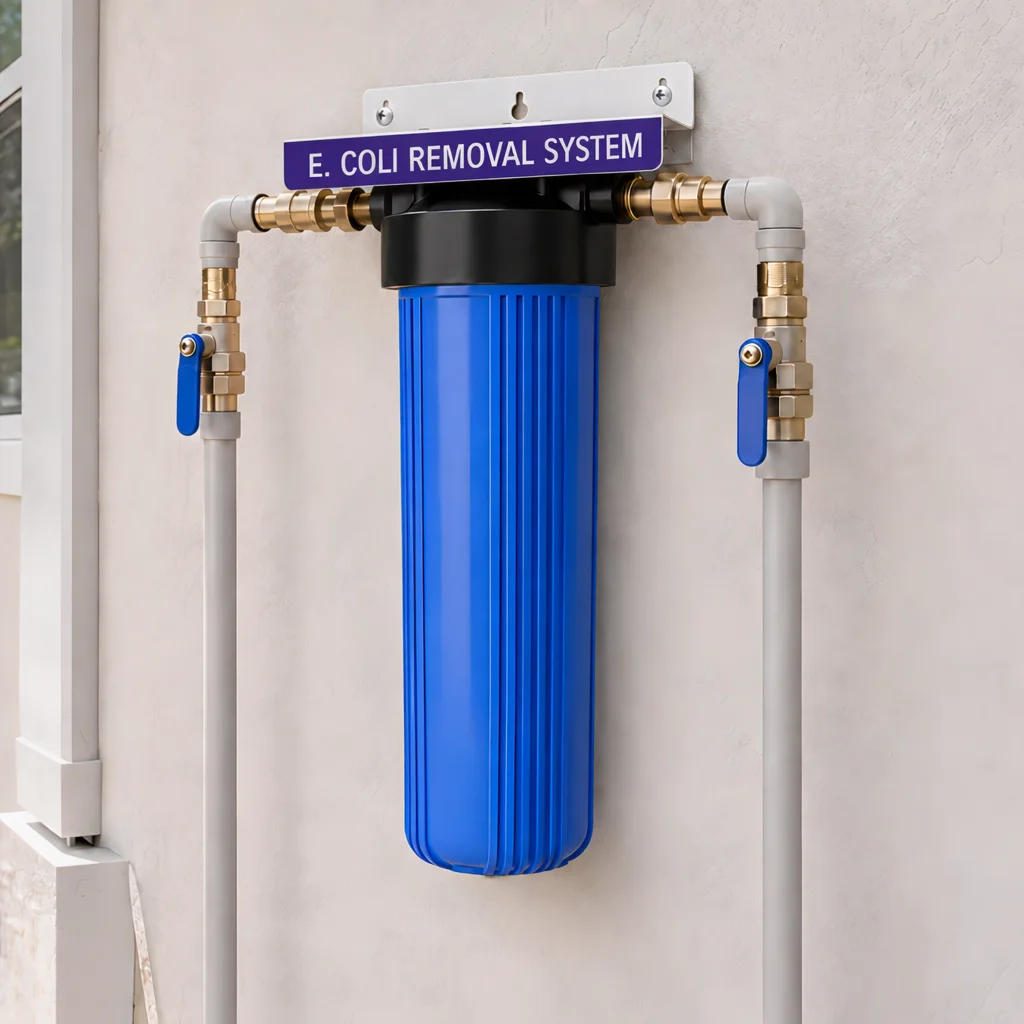
The most effective single-filter option for controlling E. coli where water enters a Ferry Pass house is a whole‑house ultraviolet (UV) disinfection system. Installed inline at the main shutoff, a UV unit exposes flowing water to ultraviolet light that inactivates microorganisms as they pass through the chamber. Because it’s chemical‑free and operates continuously, a UV system can protect every tap at once, making it a good match when bacterial contamination—not taste or hard water minerals—is the primary concern.
UV disinfection is most effective when water is clear enough for light to penetrate, so technicians often pair it with a sediment prefilter to remove cloudiness that could shield microbes. When sized to your Ferry Pass home’s flow rate and maintained with routine lamp and sleeve care, a UV system provides steady protection against E. coli and other bacteria without adding a disinfectant taste, since it doesn’t use chlorine. For homeowners focused on reducing bacterial risk throughout the house, UV is typically the first technology to consider.
 850-772-1365
 info@bestwaterheater.com

