 Phone: 407-214-2646
 info@bestwaterheater.com
Phone: 407-214-2646
info@bestwaterheater.com
info@bestwaterheater.com
Phone: 407-214-2646
info@bestwaterheater.com
 Phone: 407-214-2646
info@bestwaterheater.com
Phone: 407-214-2646
info@bestwaterheater.com

Including filter system and high-performance E. coli filter.


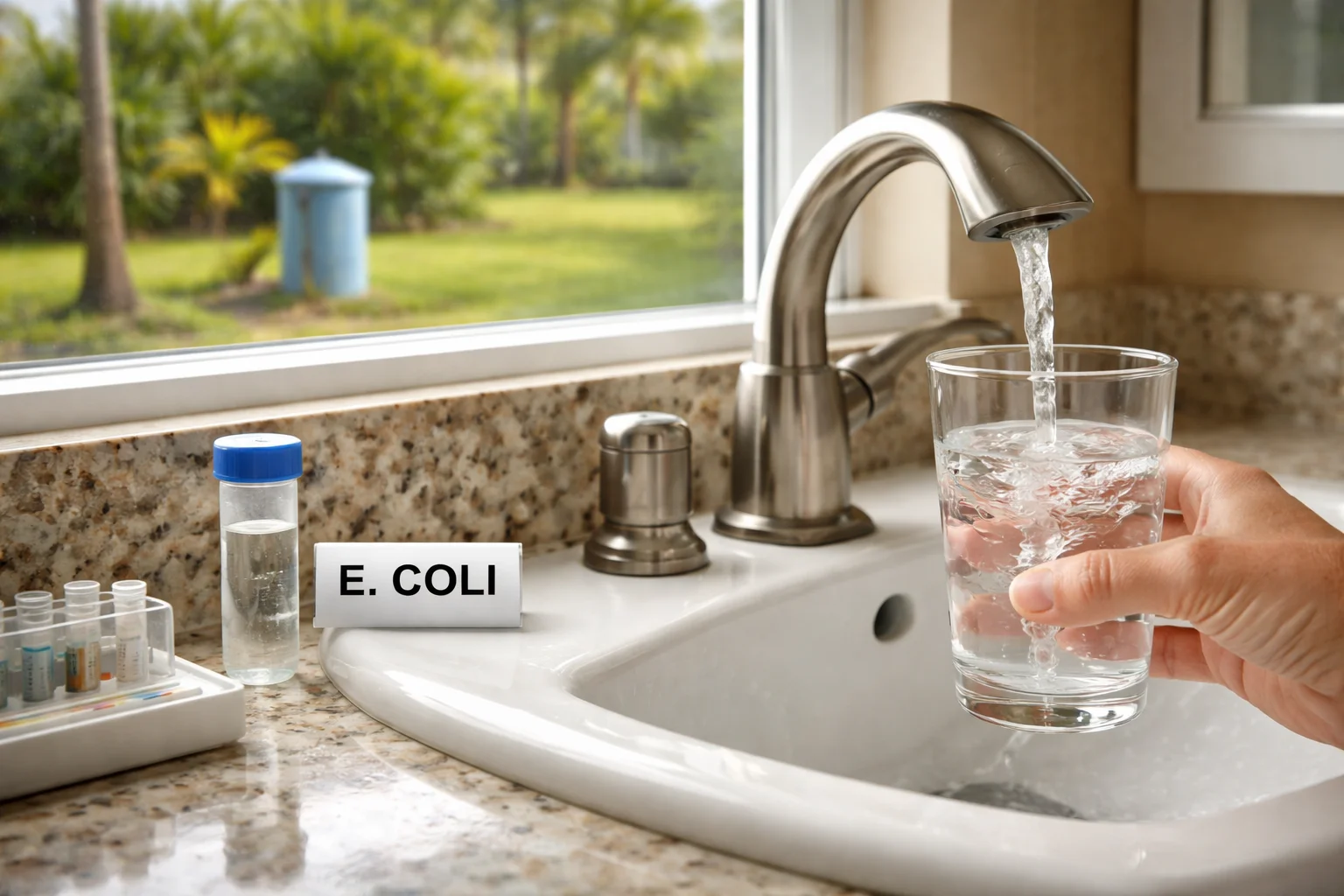
Finding E. coli in your home water is a signal that microbes may be entering the system somewhere between source and tap. In Windermere, that could mean issues in distribution lines, cross-connections in plumbing, or vulnerabilities in a private well; contamination often comes from human or animal waste. Water can appear clear while still carrying bacteria, and many homeowners only discover a problem after testing, a public advisory, or repeated water-quality complaints around the house.
You may have heard the name E. coli O157, a strain singled out because it can cause more serious illness. Whether the concern is general E. coli or E. coli O157, the priority for Windermere families is preventing bacteria from reaching the water you drink, cook with, and bathe in. Temporary measures such as boiling water treat a single tap at a time, but they don’t give whole-home assurance — a housewide solution keeps treated water consistent in kitchens, bathrooms, and laundry.
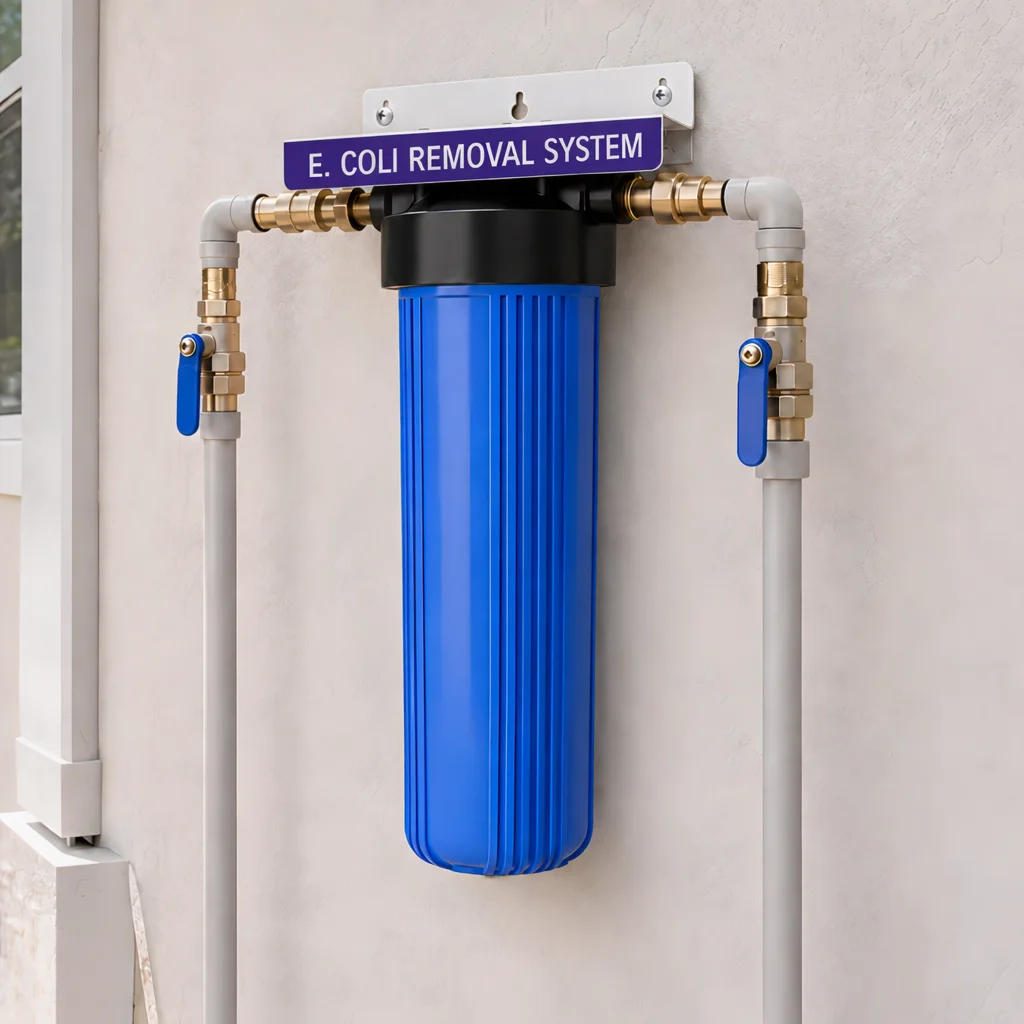
When the main worry is bacterial contamination coming into the house, the single most effective whole-home option is a whole-house ultraviolet (UV) disinfection system. Installed where water enters your Windermere home, a UV unit exposes flowing water to ultraviolet light that inactivates microorganisms as they pass through the chamber. Because it works continuously and without chemicals, a UV system protects every tap — from showers near Lake Butler to sinks in Isleworth — and is especially suited when bacteria, rather than taste or hardness, is the top concern.
UV systems perform best when the incoming water is clear enough for the light to penetrate, so they’re often used with a sediment prefilter to remove cloudiness that could shelter microbes; this pairing is sensible for Windermere homes on hard Central Florida water that can carry particulates. With correct sizing for your household flow and routine lamp and sleeve upkeep, a UV whole-house system gives steady protection against E. coli and other bacteria without adding chlorine taste — making it a practical first choice when bacterial risk is the issue.
 407-214-2646
 info@bestwaterheater.com

