 Phone: 561-300-5075
 info@bestwaterheater.com
Phone: 561-300-5075
info@bestwaterheater.com
info@bestwaterheater.com
Phone: 561-300-5075
info@bestwaterheater.com
 Phone: 561-300-5075
info@bestwaterheater.com
Phone: 561-300-5075
info@bestwaterheater.com

Including filter system and high-performance Enteric Viruses filter.


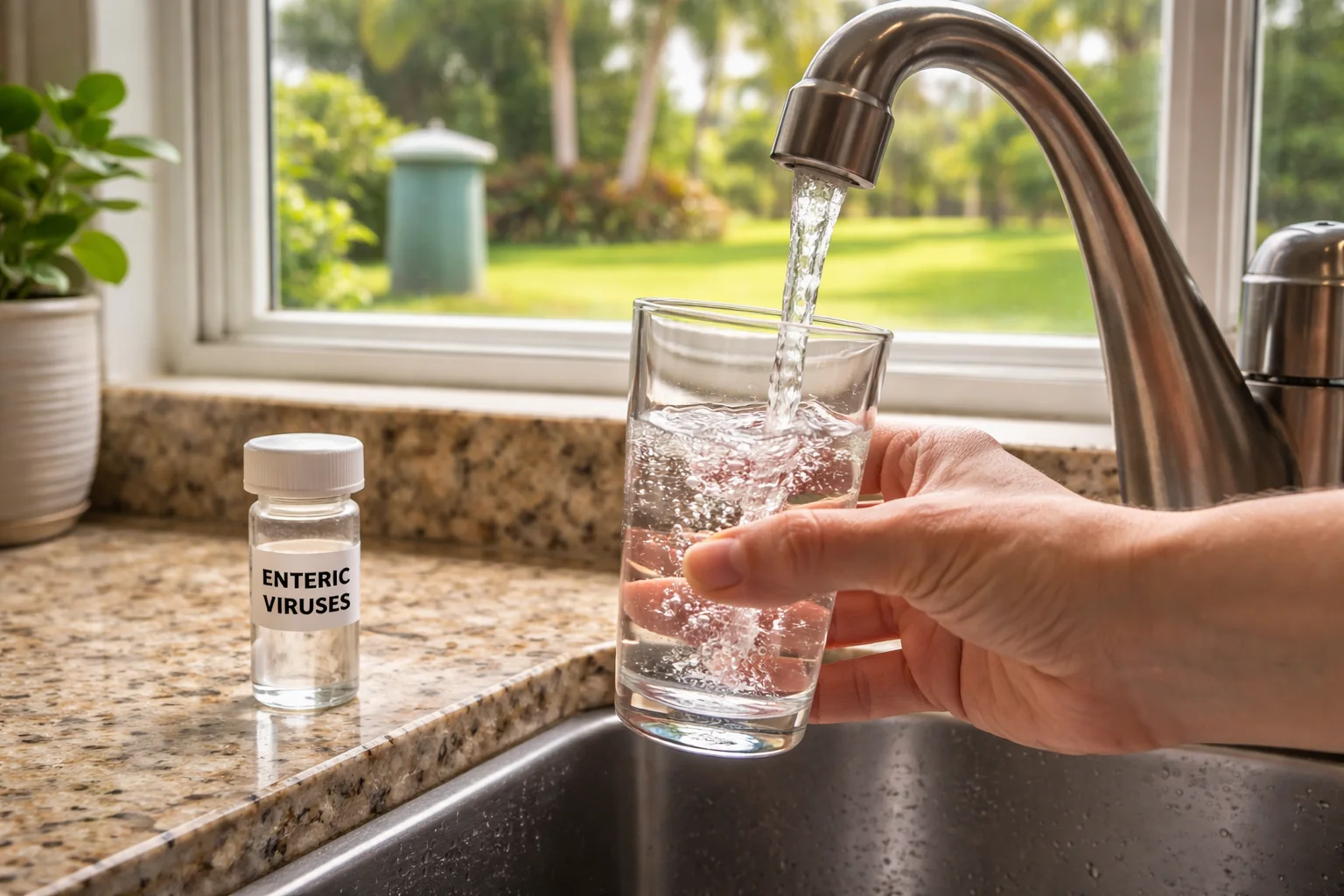
Enteric viruses are microscopic pathogens that can be present in water when human or animal waste contaminates a source. Because they are too small to see, water can look clear and still carry a risk. These viruses are more often discussed in the context of private wells, flooding, or breaks in a distribution system, but any home can benefit from understanding the issue. If you are concerned, testing can help confirm whether viruses are a factor in your water quality picture.
Unlike taste and odor problems, viral contamination is not something you can reliably detect by smell or appearance. It may also come and go depending on conditions upstream, making it difficult to judge based on a single experience. That uncertainty is why many homeowners look for a whole-home approach that treats water before it reaches kitchens, bathrooms, laundry, and showers. The goal is consistent treatment at the point where water enters the home, not just at one faucet.
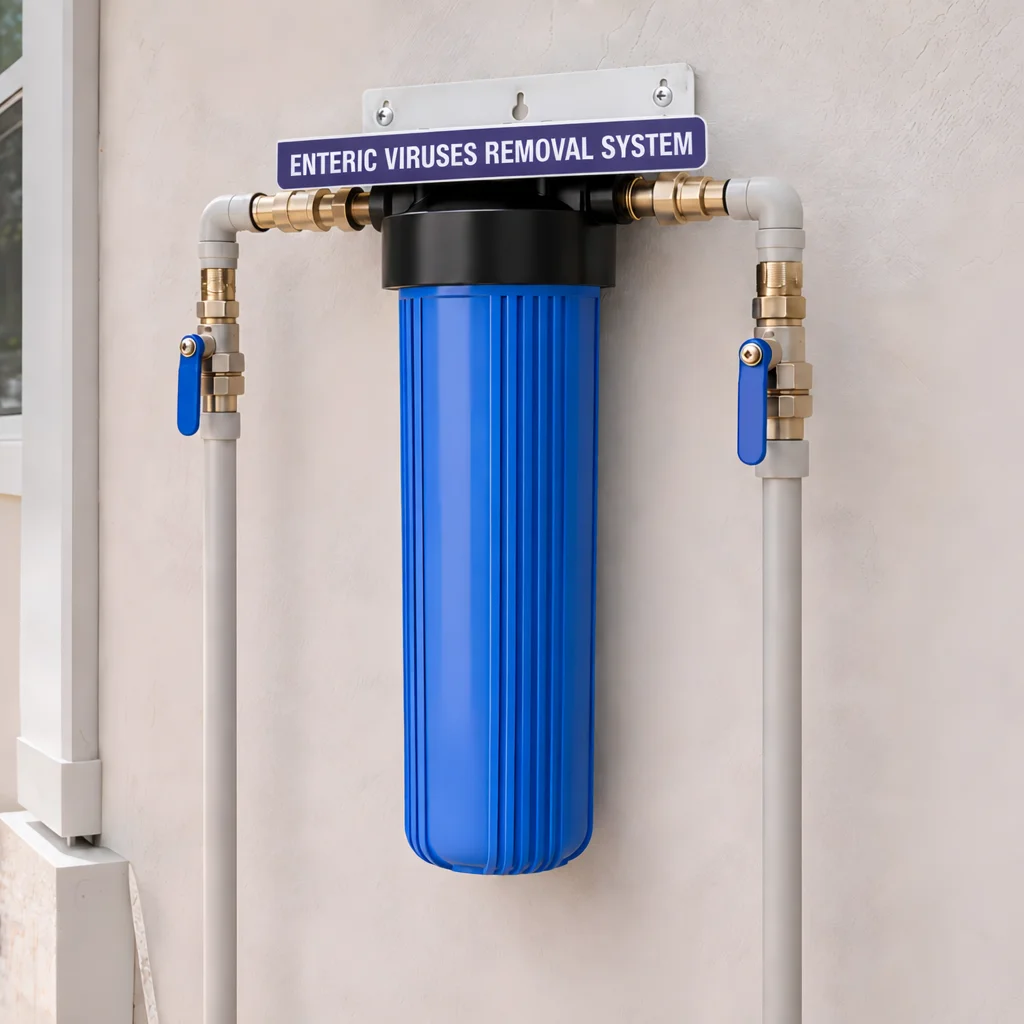
For enteric viruses, the most effective single, whole-house treatment is ultraviolet (UV) disinfection installed at the main line. UV works by inactivating microorganisms as water passes a high-intensity UV lamp inside a sealed chamber. Because it treats every gallon moving through the home, it provides protection at all taps without changing the taste of your water. A properly sized UV system is designed around your home’s flow rate so disinfection remains consistent even during higher demand.
UV performance depends on correct installation and good pretreatment, since cloudy water, sediment, or staining minerals can reduce how well UV light reaches what it needs to treat. That is why UV systems are often paired with a sediment prefilter to keep the chamber clear and maintain steady flow. Ongoing maintenance is also important, including periodic lamp replacement and cleaning the quartz sleeve that protects the lamp. With the right setup, UV is a straightforward whole-house solution for addressing viral concerns without relying on chemical disinfectants at the tap.
 561-300-5075
 info@bestwaterheater.com

