 Phone: 561-300-5075
 info@bestwaterheater.com
Phone: 561-300-5075
info@bestwaterheater.com
info@bestwaterheater.com
Phone: 561-300-5075
info@bestwaterheater.com
 Phone: 561-300-5075
info@bestwaterheater.com
Phone: 561-300-5075
info@bestwaterheater.com

Including filter system and high-performance Ethylbenzene filter.


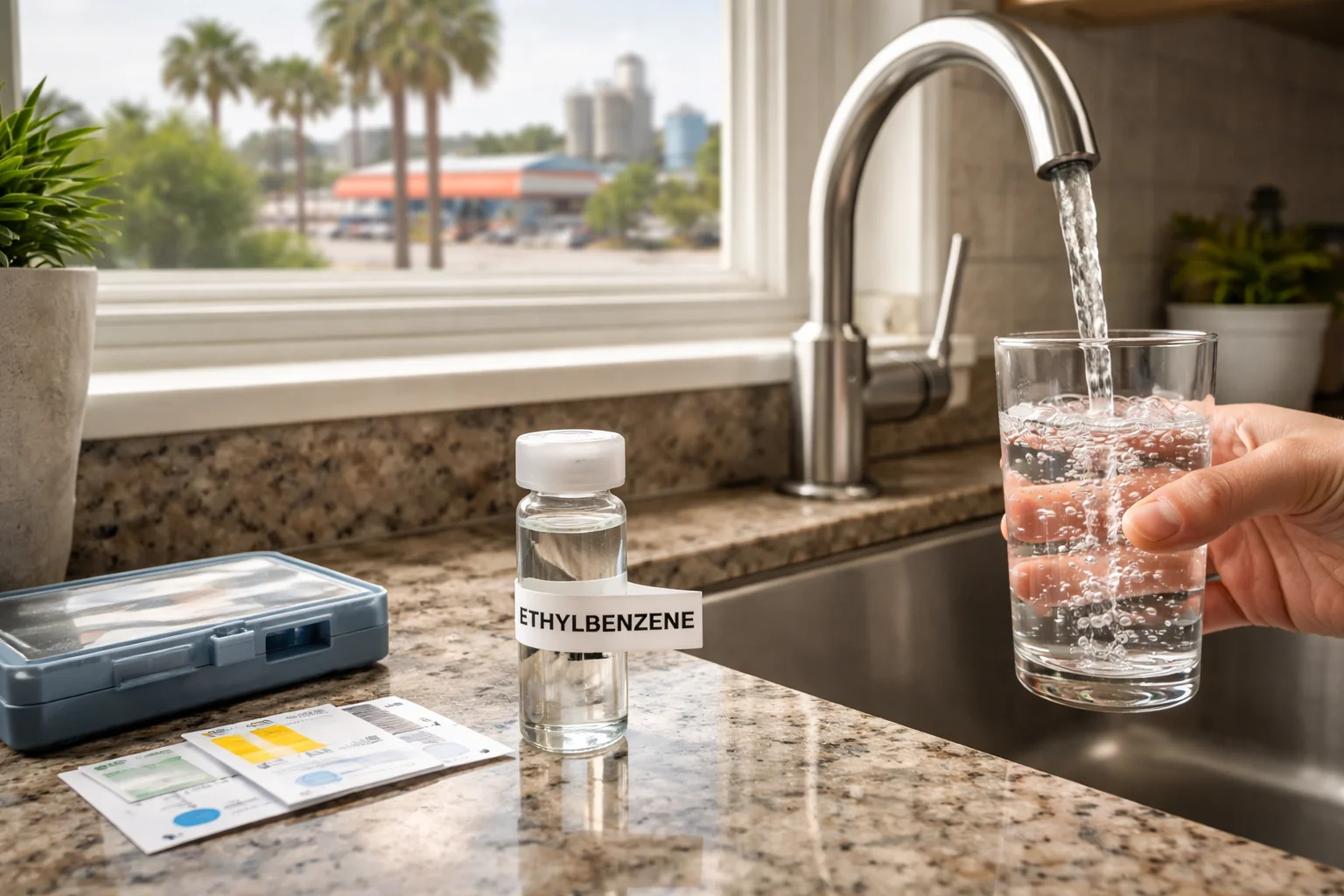
Ethylbenzene is a petroleum-related chemical that can enter drinking water when fuels or industrial solvents reach groundwater or surface sources. In homes, it may be noticed as a gasoline-like or chemical odor—sometimes more apparent when running hot water or filling a bath—and persistent low-level presence can be worrying. If you suspect ethylbenzene, ethyl benzene, or similar fuel-type compounds in your Hypoluxo water, start by getting a reliable water test to confirm what’s actually present.
Because ethylbenzene is used to make other products and often appears alongside other volatile organic compounds, addressing fuel-type contamination broadly is usually smarter than treating a single symptom. Water quality can change with source shifts, seasonal demand, or maintenance, and that’s true for Hypoluxo residents as well. A whole-house solution protects every tap—showers, laundry, and kitchen—not just one fixture where a smell showed up.
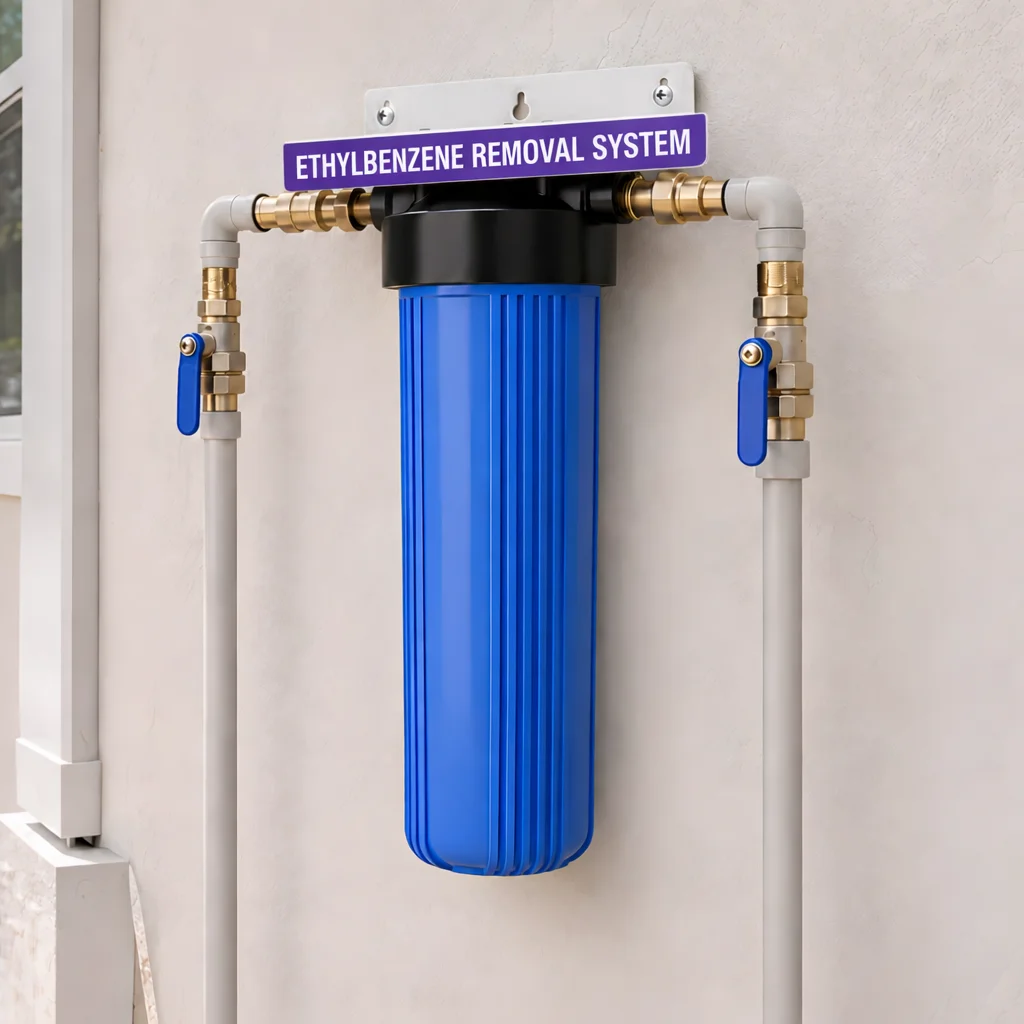
The most effective single-filter choice for ethylbenzene in a whole-house system is a properly sized activated carbon filter, typically using catalytic or high-capacity carbon media. Activated carbon adsorbs many organic chemicals, including VOCs like ethylbenzene, as water moves through the media; adequate contact time matters, so tank size and flow rate must match your home’s needs. In Palm Beach County’s hard-water conditions, a correctly configured whole-house carbon filter treats water used throughout Hypoluxo plumbing where odors and contaminants can be most noticeable.
Point-of-use devices can reduce volatile compounds at a single faucet, but they won’t protect the rest of the home or address exposure from bathing and laundry. A whole-house activated carbon system is installed at the main line so treated water reaches every outlet in your Hypoluxo home. To maintain reliable removal, the carbon media should be replaced on a schedule based on your water use and any detected contaminant levels; Mr. Pure Water can help size the system, recommend replacement intervals, and verify results with before-and-after testing.
 561-300-5075
 info@bestwaterheater.com

