 Phone: 954-208-3500
 info@bestwaterheater.com
Phone: 954-208-3500
info@bestwaterheater.com
info@bestwaterheater.com
Phone: 954-208-3500
info@bestwaterheater.com
 Phone: 954-208-3500
info@bestwaterheater.com
Phone: 954-208-3500
info@bestwaterheater.com

Including filter system and high-performance Ethylene Dibromide filter.


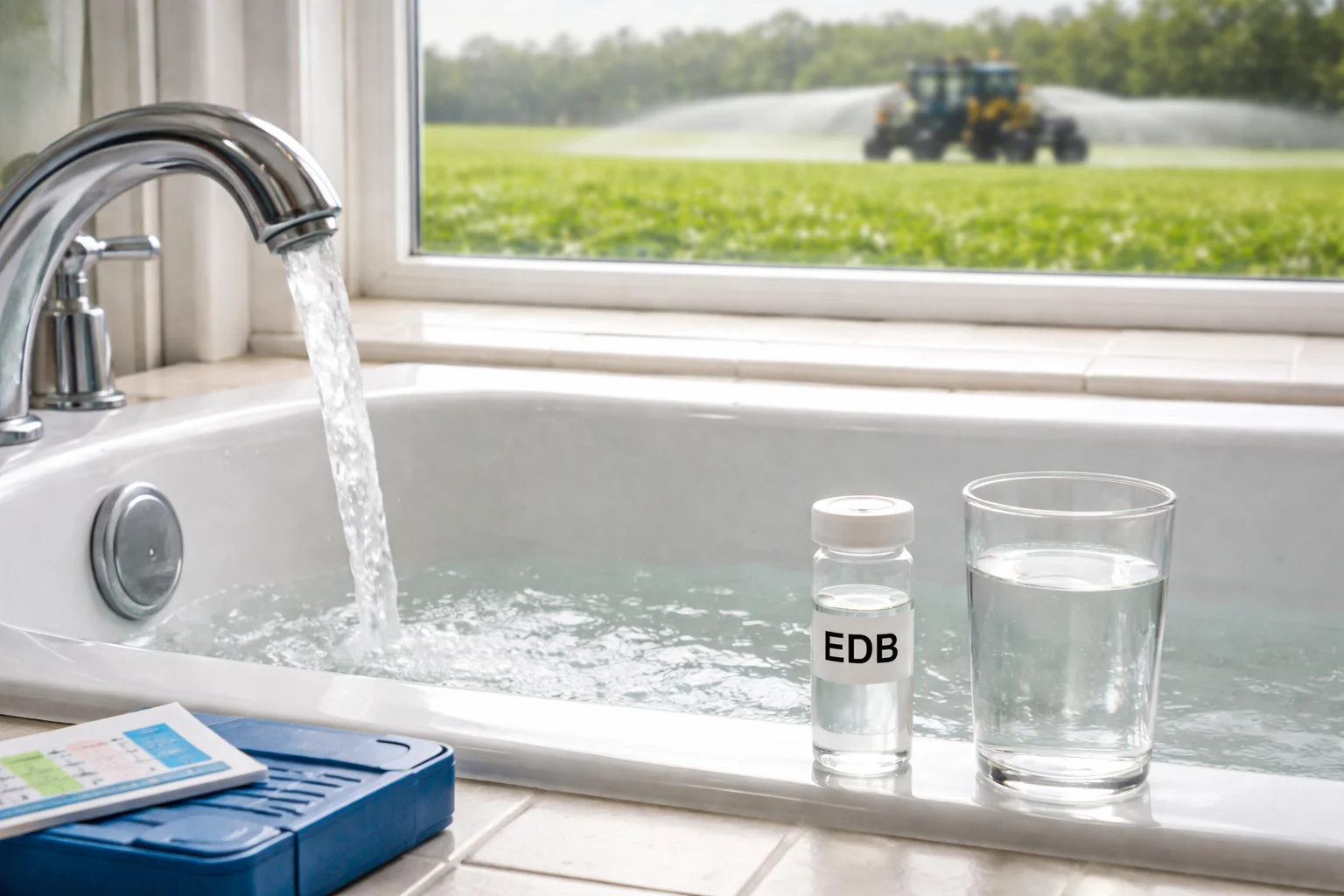
Ethylene dibromide, often abbreviated EDB, is a synthetic chemical that can appear in groundwater after past industrial or agricultural activity. Because it usually occurs at very low levels, you won’t detect it by smell, taste, or sight — yet many Harbor Beach homeowners choose to address it when it shows up on a water test or public report. Treating the water at the point it enters your house with a whole‑house system protects every faucet, shower, and appliance rather than treating just one tap.
If you suspect ethylene dibromide in your household supply, start by identifying your water source and getting reliable test results. EDB is different from common issues like chlorine taste, sediment, or hard water and usually needs a targeted solution. Harbor Beach residents on private wells should pay particular attention to regular testing, since levels can change; for any home, selecting the right filtration media matters more than simply stacking more stages.
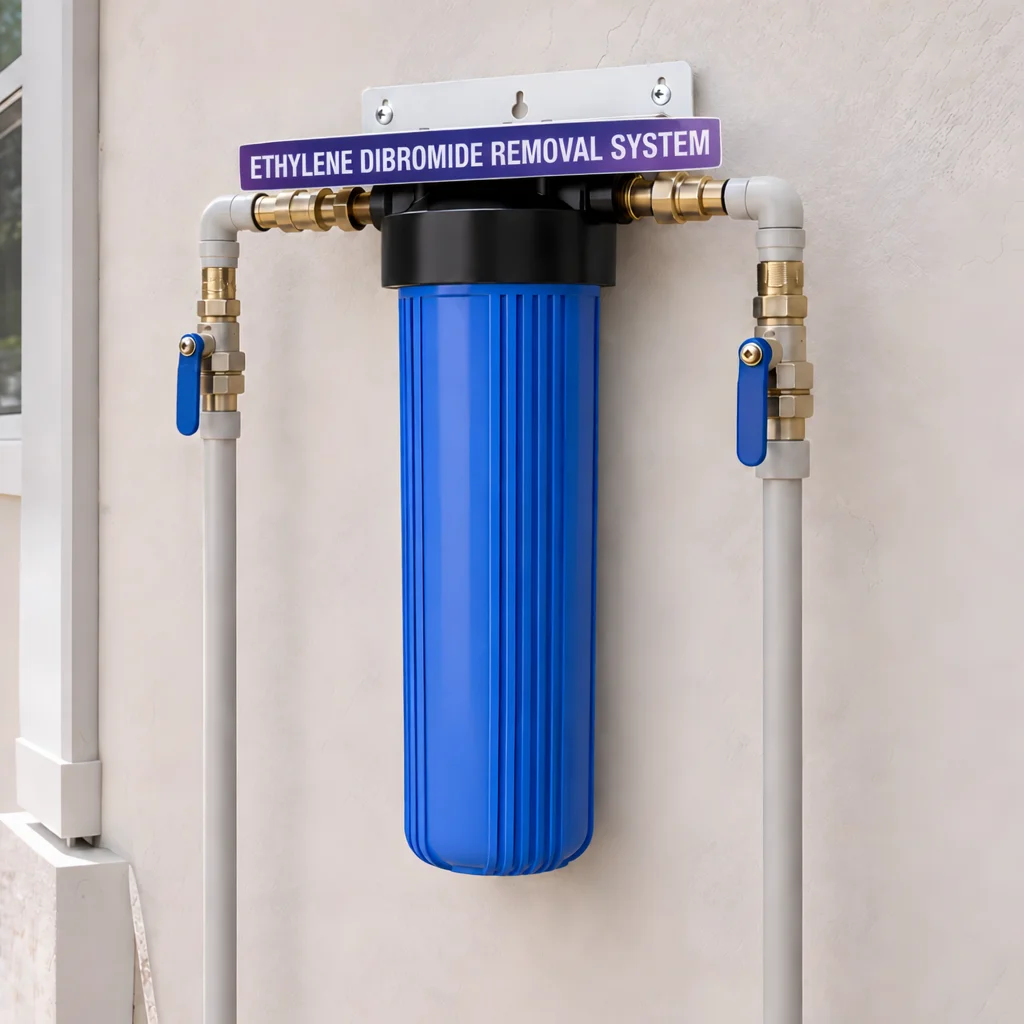
For removing ethylene dibromide, the most effective single media in many whole‑house systems is activated carbon — specifically catalytic or high‑capacity granular activated carbon (GAC). Carbon adsorbs a wide range of organic contaminants as water flows through, making it a go‑to for compounds like EDB. In a whole‑house setup sized for a Harbor Beach home, a correctly chosen carbon tank provides treated water to showers, laundry, cooking, and every faucet; its effectiveness depends on carbon quality, contact time, and matching the system to your household’s water use.
Choose a whole‑house activated carbon system based on your peak flow rate and enough media volume to ensure meaningful contact time — not a tiny cartridge that water zips through. A sediment prefilter will protect the carbon bed from clogging so it remains effective, and because EDB reduction is capacity‑limited, timely media replacement matters to prevent breakthrough. At Mr. Pure Water we can help Harbor Beach homeowners pick and install a whole‑house carbon system that fits local conditions and daily demand, while keeping outdoor components protected from salt‑air corrosion common in coastal Florida.
 954-208-3500
 info@bestwaterheater.com

