 Phone: 407-214-2646
 info@bestwaterheater.com
Phone: 407-214-2646
info@bestwaterheater.com
info@bestwaterheater.com
Phone: 407-214-2646
info@bestwaterheater.com
 Phone: 407-214-2646
info@bestwaterheater.com
Phone: 407-214-2646
info@bestwaterheater.com

Including filter system and high-performance Ethylene Dibromide filter.


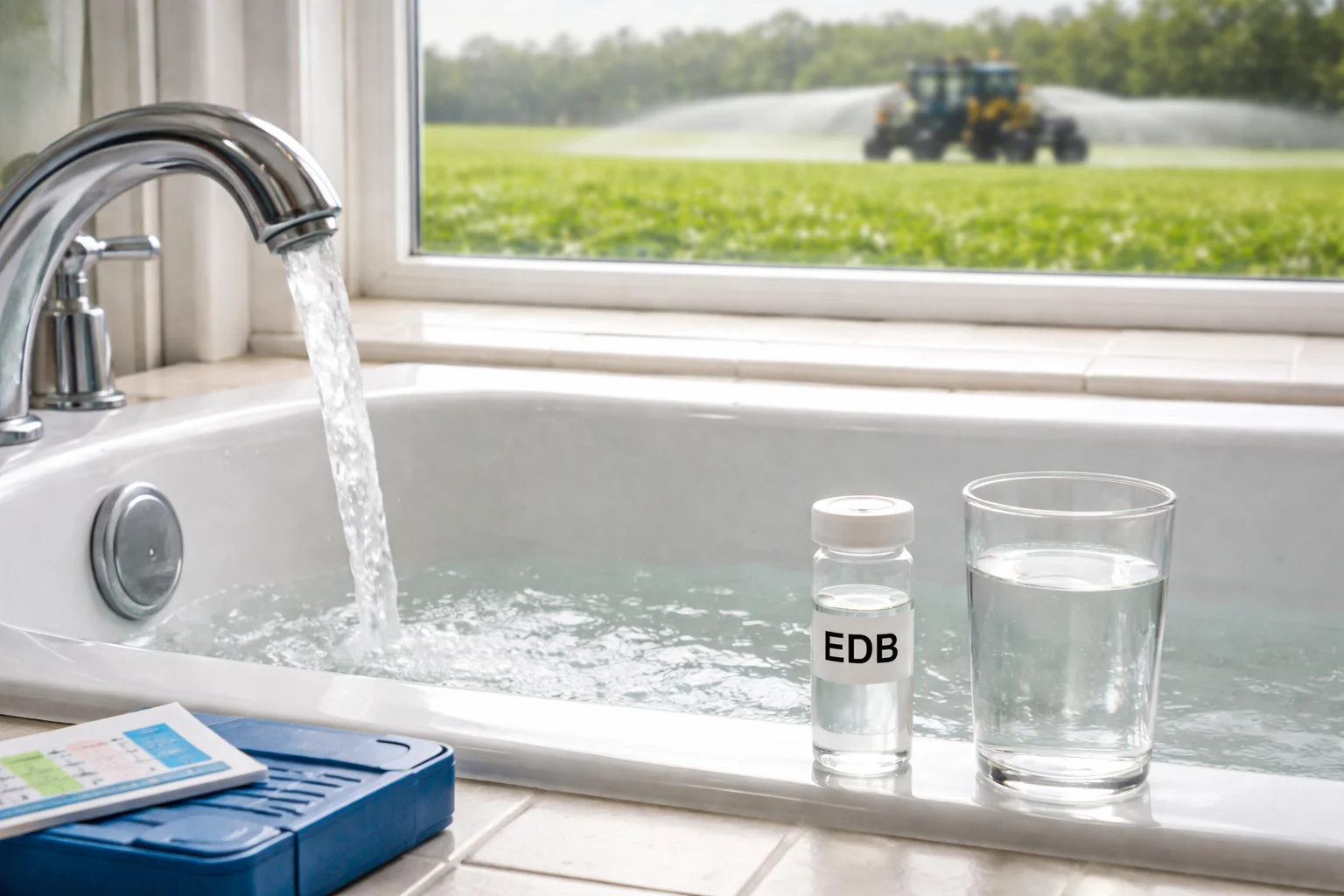
Ethylene dibromide, sometimes called EDB, is a synthetic chemical that can enter groundwater where past industrial or agricultural activity impacted the area. It’s usually invisible and has no distinct smell or taste, so a standard faucet test won’t reveal it. In Scottsmoor and nearby Brevard County neighborhoods many properties rely on private wells, so residents often opt for a whole-house strategy that treats water at the point it comes into your home rather than just at a single fixture.
If you suspect ethylene dibromide in your water, confirm it with reliable lab testing and learn whether your supply is municipal or a private well. EDB is different from chlorine, sediment, or the moderate hardness common on the Space Coast, so it requires targeted treatment. In rural Scottsmoor, where well water varies, periodic testing is especially important, and picking the correct filtration media matters more than simply stacking extra stages.
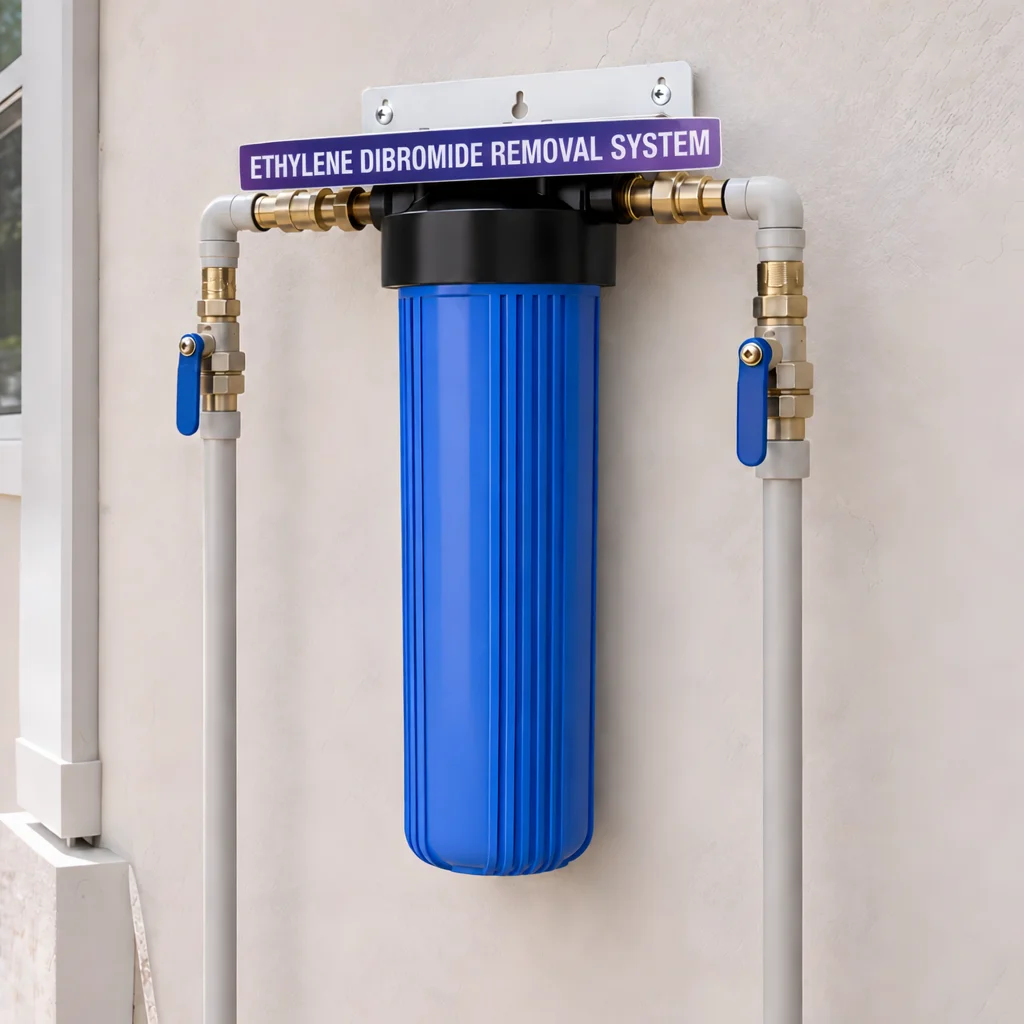
Activated carbon—often a catalytic or high-capacity granular activated carbon (GAC) bed—is the most effective single media for removing ethylene dibromide in many home systems. Carbon adsorbs a wide range of organic compounds as water flows through, which is why it’s commonly used for contaminants like EDB. For Scottsmoor residences, a whole-house carbon tank sized to your household’s flow treats water used in showers, laundry, cooking and at every faucet when the carbon quality and contact time are right.
Choose a whole-house activated carbon system for EDB based on your peak flow rate and enough media volume to provide meaningful contact time—small cartridges that water races through aren’t adequate. A sediment pre-filter will protect the carbon bed and help it last, and because EDB removal is capacity-based, media replacement on a sensible schedule prevents breakthrough. Mr. Pure Water can assess Scottsmoor homes, recommend the correct carbon tank size, and install a system that fits your plumbing and daily water demand.
 407-214-2646
 info@bestwaterheater.com

