 Phone: 772-290-5223
 info@bestwaterheater.com
Phone: 772-290-5223
info@bestwaterheater.com
info@bestwaterheater.com
Phone: 772-290-5223
info@bestwaterheater.com
 Phone: 772-290-5223
info@bestwaterheater.com
Phone: 772-290-5223
info@bestwaterheater.com

Including filter system and high-performance Flame Retardants filter.


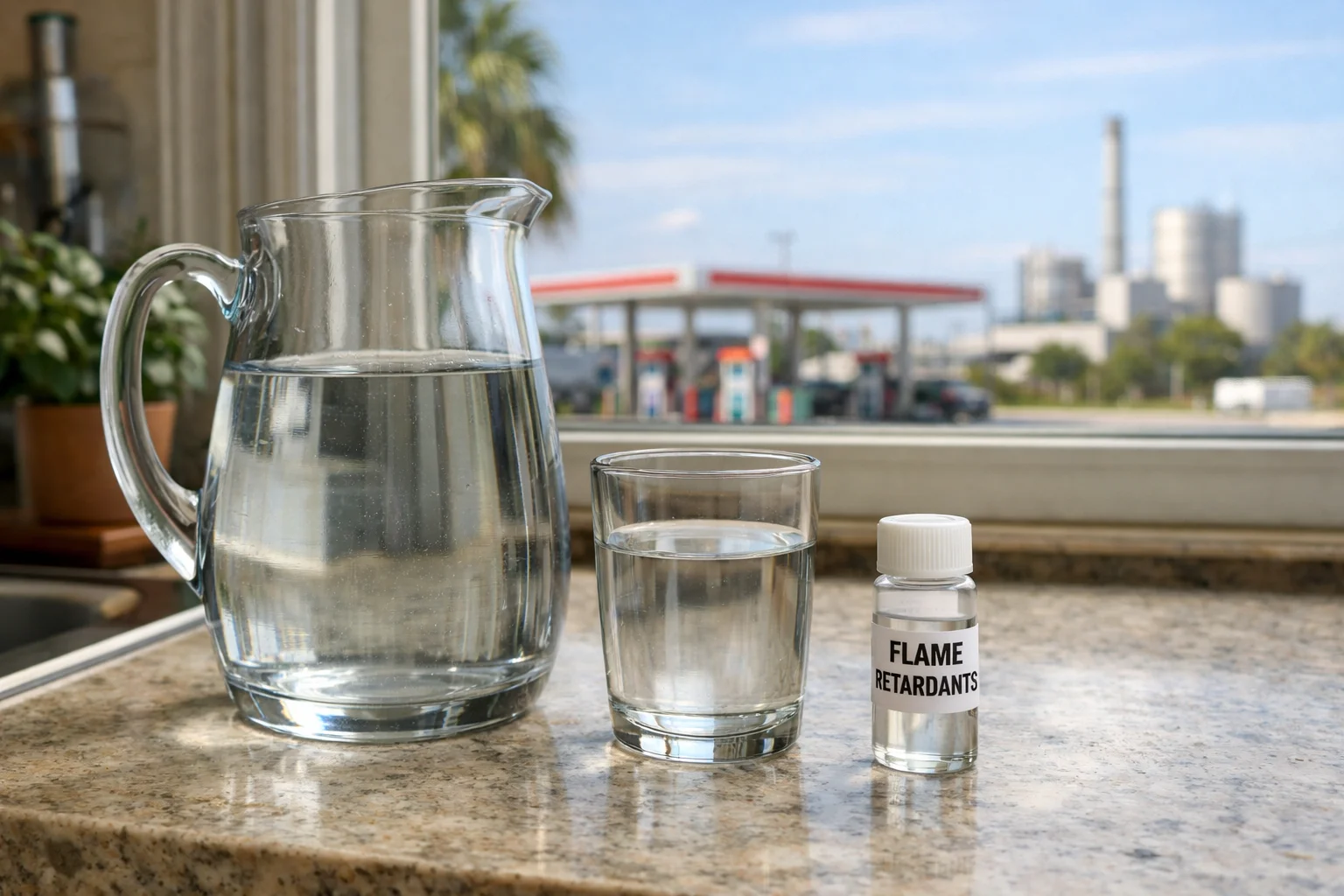
Flame retardants cover a wide range of chemicals added to slow fires in items like foam cushions, fabrics, electronics, and building materials. Over years they can shed into household dust, wash off surfaces, and some types can enter waterways. Homeowners on Jupiter Island often want an extra layer of protection so every tap — from the kitchen to outdoor hoses used near coastal landscaping — delivers water with fewer trace, man-made contaminants.
Because flame retardants span different chemistries, they don’t always produce an obvious taste or smell. Some compounds cling to particles, others stay dissolved and move with the water. Local treatment and private well systems around Martin County remove many common concerns, but not every emerging contaminant is a standard treatment target. For Jupiter Island households concerned about exposure while drinking, cooking, or bathing, a whole-house system can reduce potential pathways into the home.
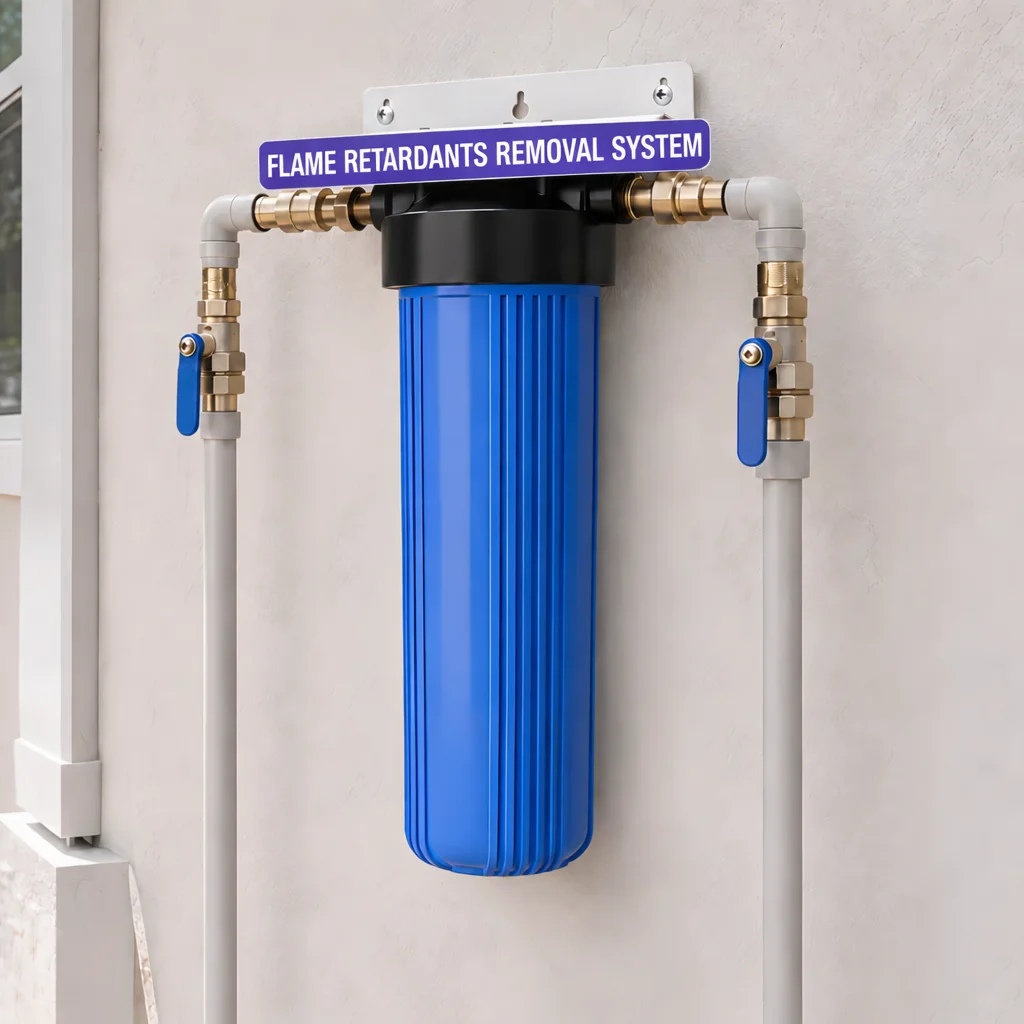
A single-stage, high-capacity activated carbon filter is generally the most practical whole-house choice for reducing flame retardants. Many of these compounds are organic, and activated carbon adsorbs a broad array of organics as water flows through the media. A correctly sized whole-house carbon tank installed at the point of entry gives longer contact time than small point-of-use cartridges, helping maintain consistent water quality throughout a Jupiter Island home — from the kitchen to the showers and outdoor spigots.
Mr. Pure Water configures whole-house activated carbon systems for Jupiter Island homes to match household flow and daily use, which is important for carbon to work well. Choosing the right carbon media and bed depth matters because more media and longer contact times generally improve adsorption. While no single filter solves every possible issue, whole-house carbon is a strong first step for lowering many trace organic chemicals, including flame retardants; pairing the system with water testing helps determine the optimal setup and maintenance schedule for hard, coastal South Florida water.
 772-290-5223
 info@bestwaterheater.com

