 Phone: 561-300-5075
 info@bestwaterheater.com
Phone: 561-300-5075
info@bestwaterheater.com
info@bestwaterheater.com
Phone: 561-300-5075
info@bestwaterheater.com
 Phone: 561-300-5075
info@bestwaterheater.com
Phone: 561-300-5075
info@bestwaterheater.com

Including filter system and high-performance Flame Retardants filter.


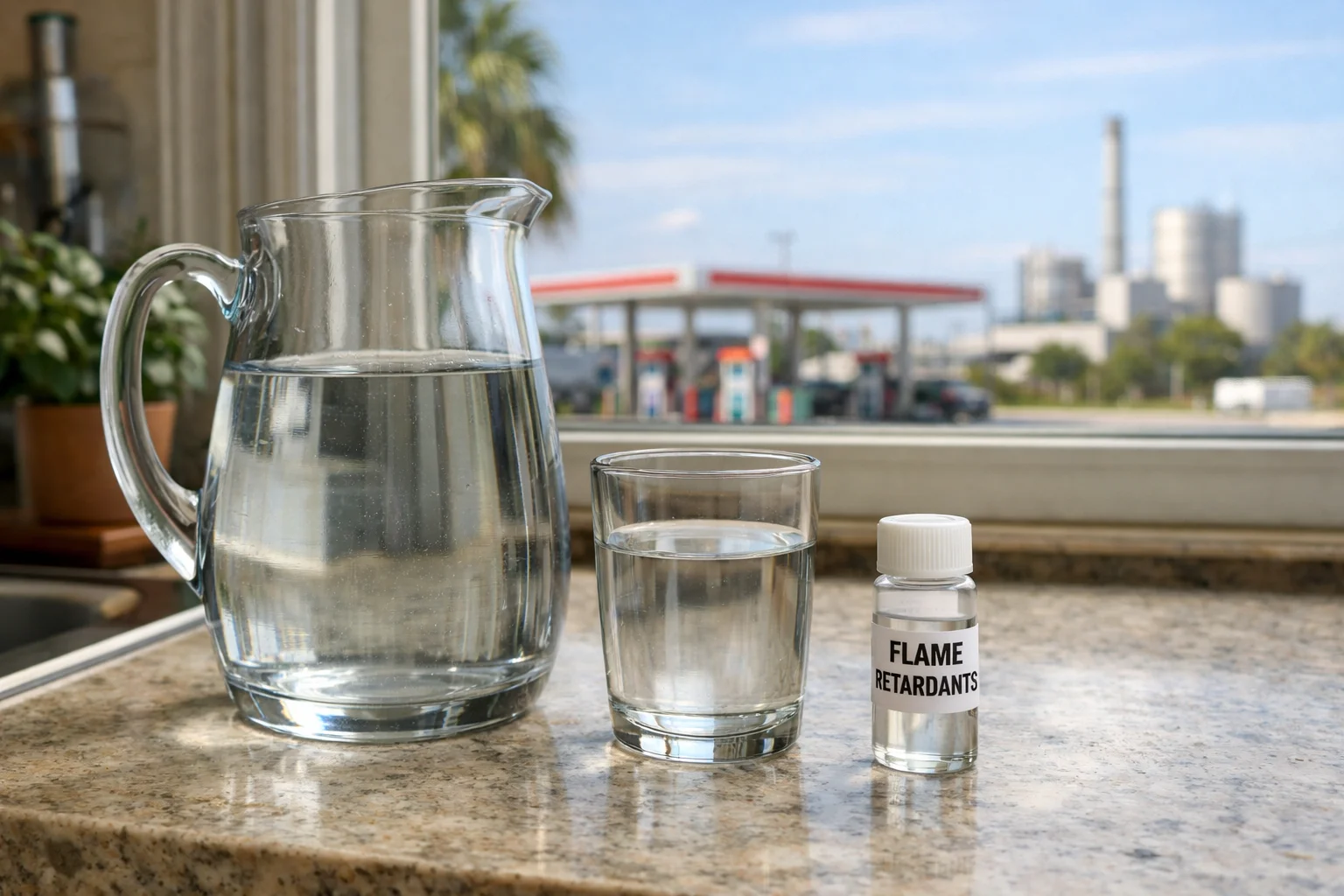
Flame retardants are a large class of chemicals added to items like furniture foam, fabrics, electronics and building materials to slow fire spread. Over years they can shed into dust and rinse off surfaces, and certain types may enter waterways or groundwater. As homeowners in Tequesta increasingly look to protect their families, many treat flame retardants as one of several trace, man-made contaminants they want to reduce at every tap.
Because flame retardants span different chemical types, they don’t always produce an obvious taste or smell in water. Some attach to particles and settle out, while others stay dissolved and move with the flow. Local municipal and well systems in Palm Beach County address many common water concerns, but not every emerging contaminant is targeted by standard treatment. For Tequesta homeowners who use hard municipal or well water and want broader protection for drinking, cooking and bathing, a whole-house solution can help lower exposure across the home.
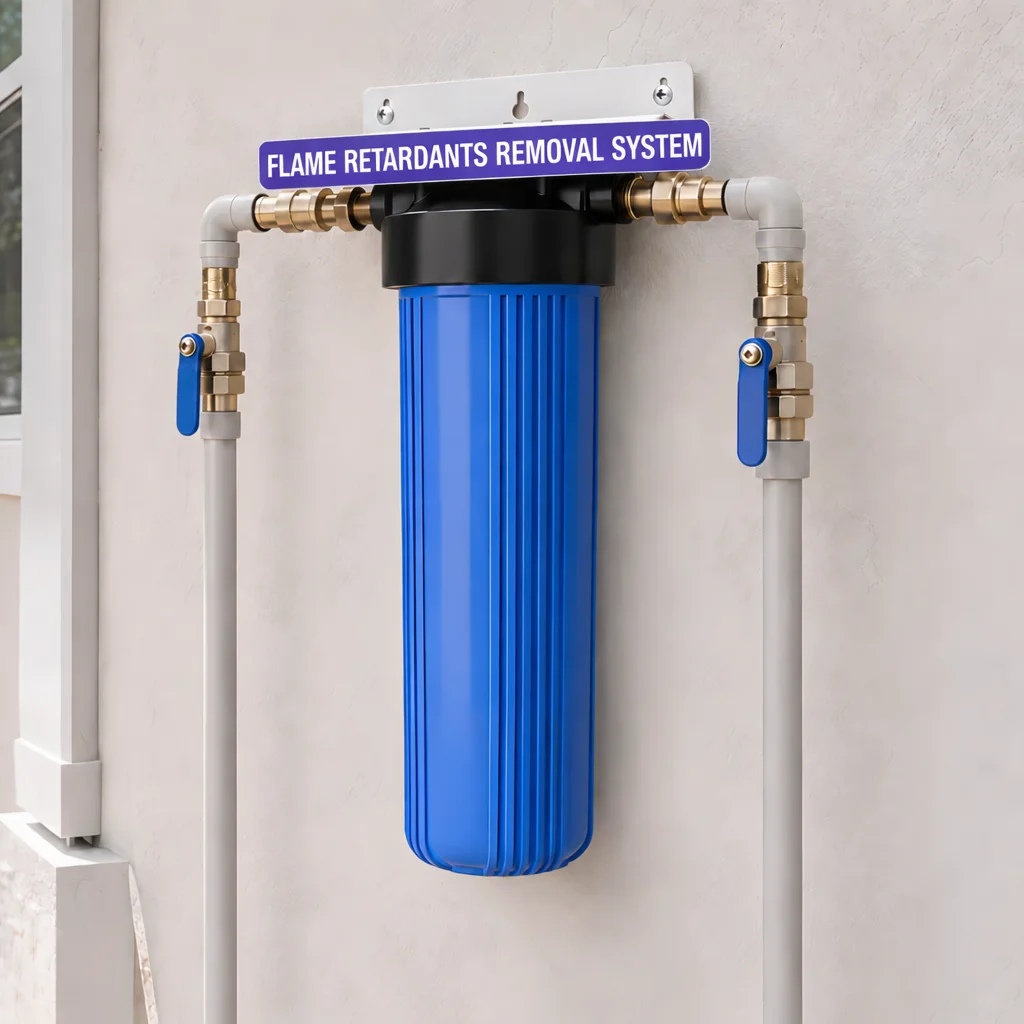
For whole-house reduction of flame retardants, a single-stage high-capacity activated carbon filter is generally the most practical and effective option. Many flame retardant compounds are organic in nature, and activated carbon adsorbs a wide range of organics as water flows through the media. In a Tequesta home, a properly sized carbon tank installed at the point of entry gives longer contact time than small under-sink cartridges, helping maintain consistent water quality from the kitchen to showers and reducing reliance on multiple localized devices.
At Mr. Pure Water we size whole-house activated carbon systems to match household flow and daily use so the carbon performs as intended. Media choice and bed depth matter—more media and longer contact time generally improve adsorption—especially in hard water areas like Tequesta where scale can affect performance. While no single filter removes every contaminant, whole-house carbon is a strong first step for lowering many trace organic chemicals, including flame retardants; pairing that system with periodic water testing helps confirm results and set a proper maintenance schedule.
 561-300-5075
 info@bestwaterheater.com

