 Phone: 305-404-8790
 info@bestwaterheater.com
Phone: 305-404-8790
info@bestwaterheater.com
info@bestwaterheater.com
Phone: 305-404-8790
info@bestwaterheater.com
 Phone: 305-404-8790
info@bestwaterheater.com
Phone: 305-404-8790
info@bestwaterheater.com

Including filter system and high-performance Fluoride filter.


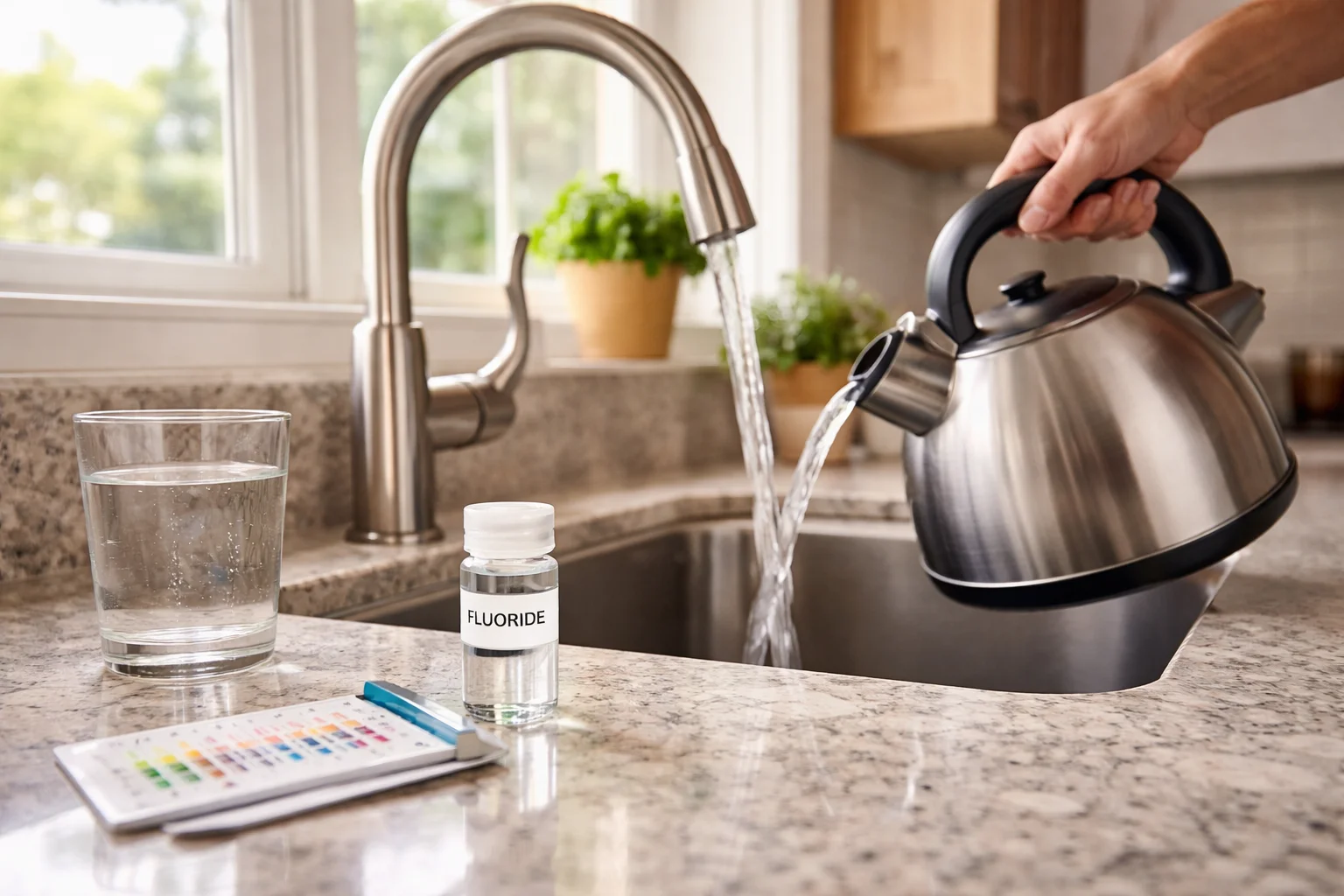
Fluoride can enter drinking water both through additions at treatment plants and from natural sources. Many Key Biscayne homeowners choose to limit exposure—especially families with young children or anyone with sensitivities—and to have greater control over what comes from every tap. Because fluoride stays dissolved in water, it won’t evaporate with boiling and won’t be removed by a basic sediment filter, so learning how it behaves helps you pick the right treatment for your Miami‑Dade County home.
On your water quality report fluoride may appear under chemical names used for dosing, such as sodium fluoride or sodium fluorosilicate. Whether listed one way or the other, it remains dissolved in the water used for drinking, cooking, brushing teeth, and bathing. For Key Biscayne properties—from Ocean Club to the Cape Florida area—small pitchers and faucet-mounted filters often won’t provide consistent reduction at every outlet across a home’s plumbing system.
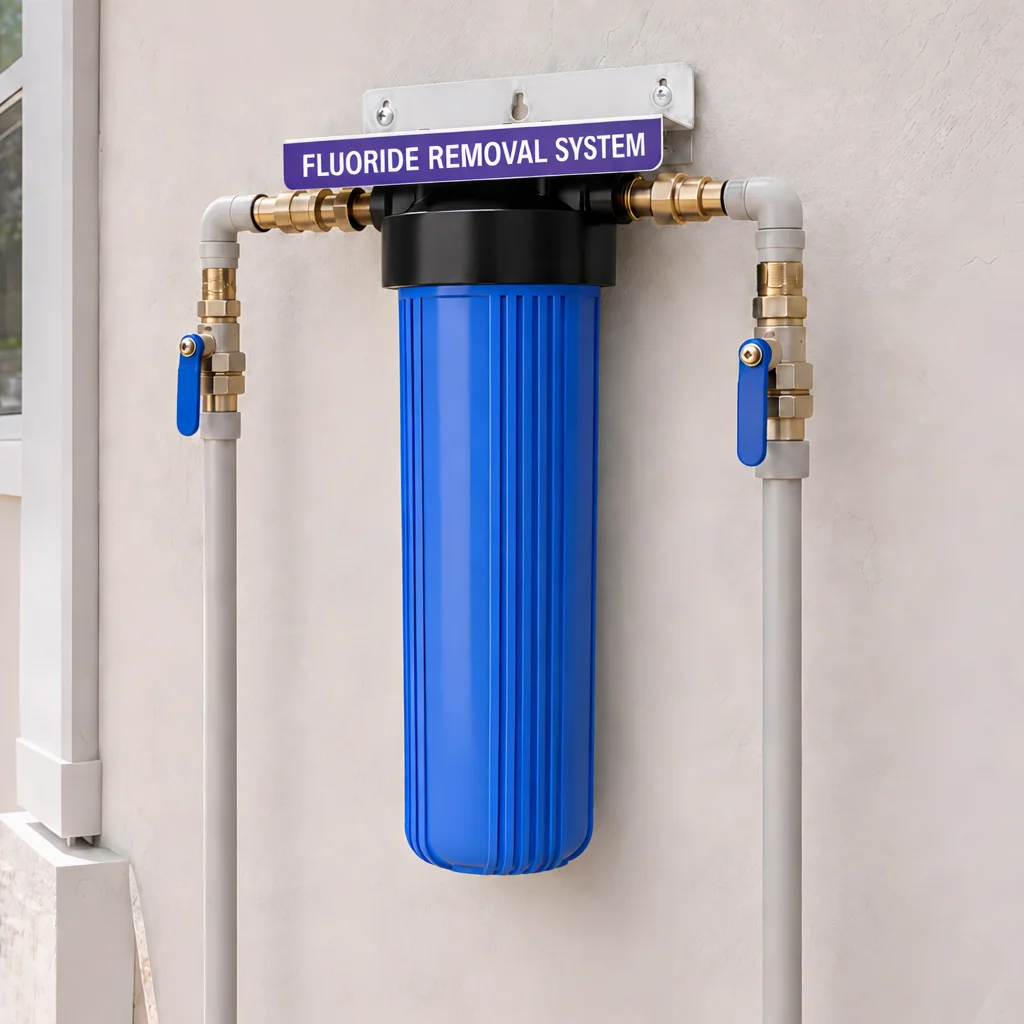
The most effective single filter type for whole‑home fluoride reduction is a reverse osmosis (RO) system. RO relies on a semipermeable membrane to separate many dissolved contaminants, including fluoride, from the water. This method is different from carbon-only filtration, which is excellent for chlorine and odors but not typically the primary solution for fluoride reduction; RO gives a reliable, consistent approach for Key Biscayne households concerned about dissolved contaminants.
A whole‑house RO installation is commonly set up with prefiltration to protect the membrane and maintain long‑term performance—typically a sediment stage and often carbon upstream to reduce chlorine that can harm some membranes. Because fluoride introduced as sodium fluoride or sodium fluorosilicate is dissolved, the membrane-based RO process targets that dissolved form rather than trapping particles. Mr. Pure Water can size and configure an RO-based whole-house system tailored to Key Biscayne homes, accounting for local plumbing, salt‑air corrosion concerns, and hard water scale tendencies.
 305-404-8790
 info@bestwaterheater.com

