 Phone: 772-290-5223
 info@bestwaterheater.com
Phone: 772-290-5223
info@bestwaterheater.com
info@bestwaterheater.com
Phone: 772-290-5223
info@bestwaterheater.com
 Phone: 772-290-5223
info@bestwaterheater.com
Phone: 772-290-5223
info@bestwaterheater.com

Including filter system and high-performance GenX filter.


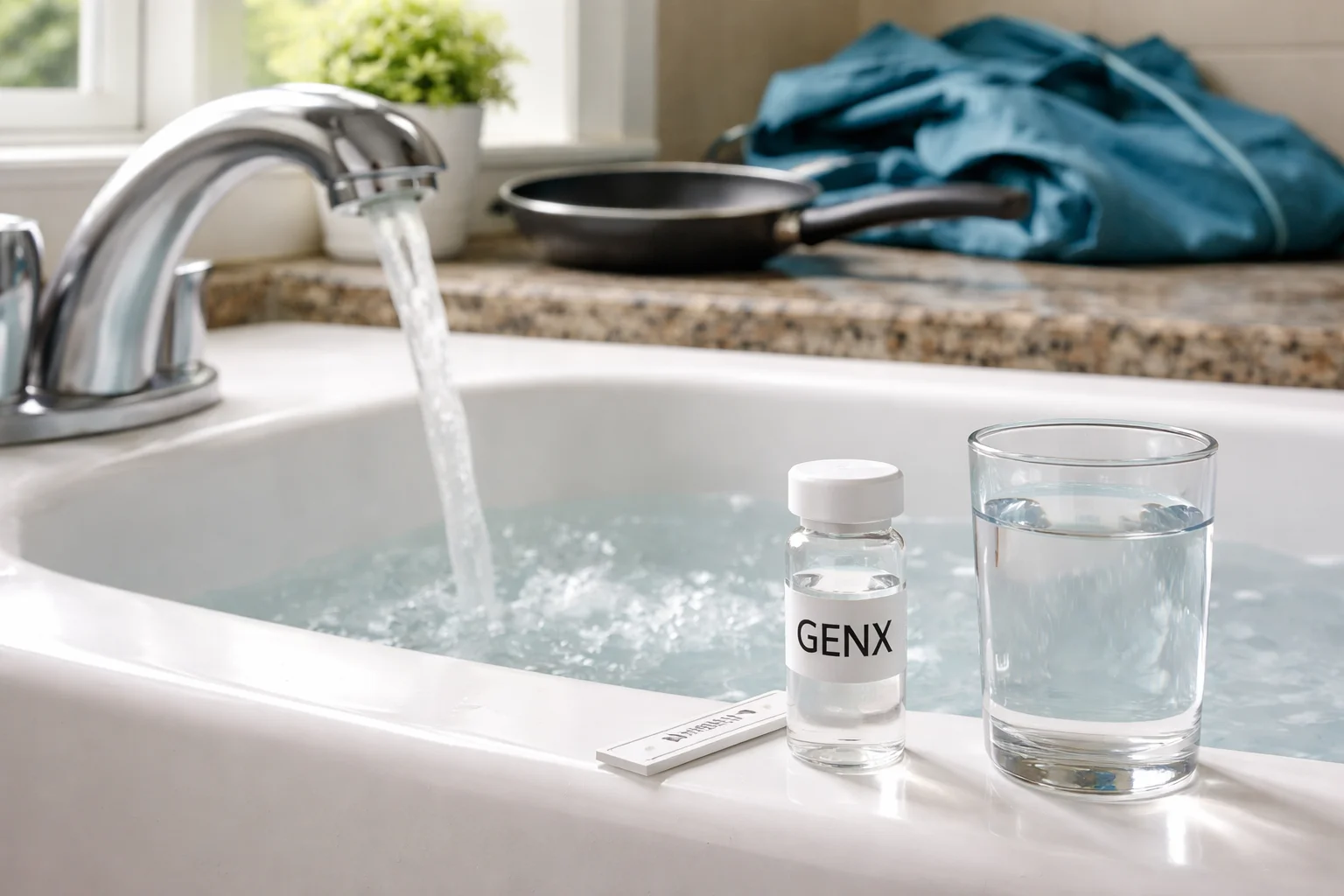
GenX is a kind of PFAS that can reach drinking water when industrial compounds enter rivers and groundwater. Also called HFPO-DA, it’s grouped with other “forever chemicals” because it can persist in the environment. You usually can’t see, smell, or taste GenX, so homeowners in Barber Quarters won’t know it’s present without testing. When levels are a concern, many families choose practical options to lower exposure at every tap.
Because GenX is typically found at very low concentrations, treatment should target PFAS specifically rather than relying on basic taste-and-odor filters. A point-of-use unit at the kitchen sink can protect drinking and cooking water, but it won’t treat showers, laundry, teeth brushing, or ice makers around your Barber Quarters home. Installing whole-house filtration treats water as it enters the house so all daily uses are covered. The objective is steady reduction using a system sized and maintained for your household’s demand and local water conditions.
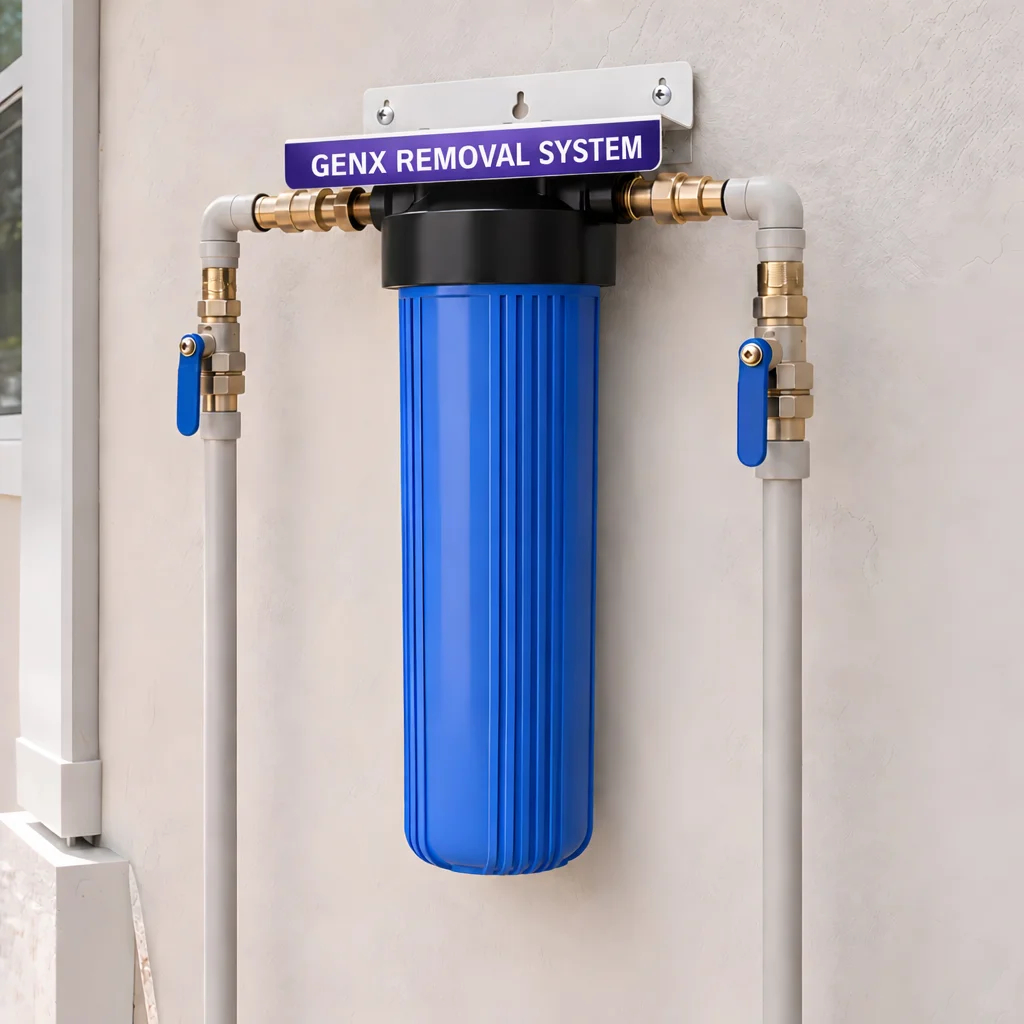
For whole-house GenX treatment, the most effective single-media option is a granular activated carbon (GAC) system designed with high-quality carbon and adequate contact time. GenX (HFPO-DA) can be tougher to capture than some longer-chain PFAS, so factors like carbon type, bed depth, flow rate, and media exhaustion matter. A whole-house GAC tank placed on the main line treats all incoming water to help reduce GenX at faucets and in showers throughout your Barber Quarters residence, using an approach that doesn’t add chemicals to your supply.
Activated carbon removes contaminants by adsorption, so performance depends on giving water enough residence time in the carbon bed and replacing media on a regular schedule. High household use, fast flow rates, and other competing contaminants can shorten carbon life, which makes correct sizing and maintenance planning essential. Mr. Pure Water sizes whole-house GAC systems around your home’s plumbing and usage—considering Barber Quarters’ humid subtropical climate and local utility or well variations—to help ensure reliable GenX reduction; periodic water testing can confirm results and indicate when service is needed.
 772-290-5223
 info@bestwaterheater.com

