 Phone: 772-290-5223
 info@bestwaterheater.com
Phone: 772-290-5223
info@bestwaterheater.com
info@bestwaterheater.com
Phone: 772-290-5223
info@bestwaterheater.com
 Phone: 772-290-5223
info@bestwaterheater.com
Phone: 772-290-5223
info@bestwaterheater.com

Including filter system and high-performance GenX filter.


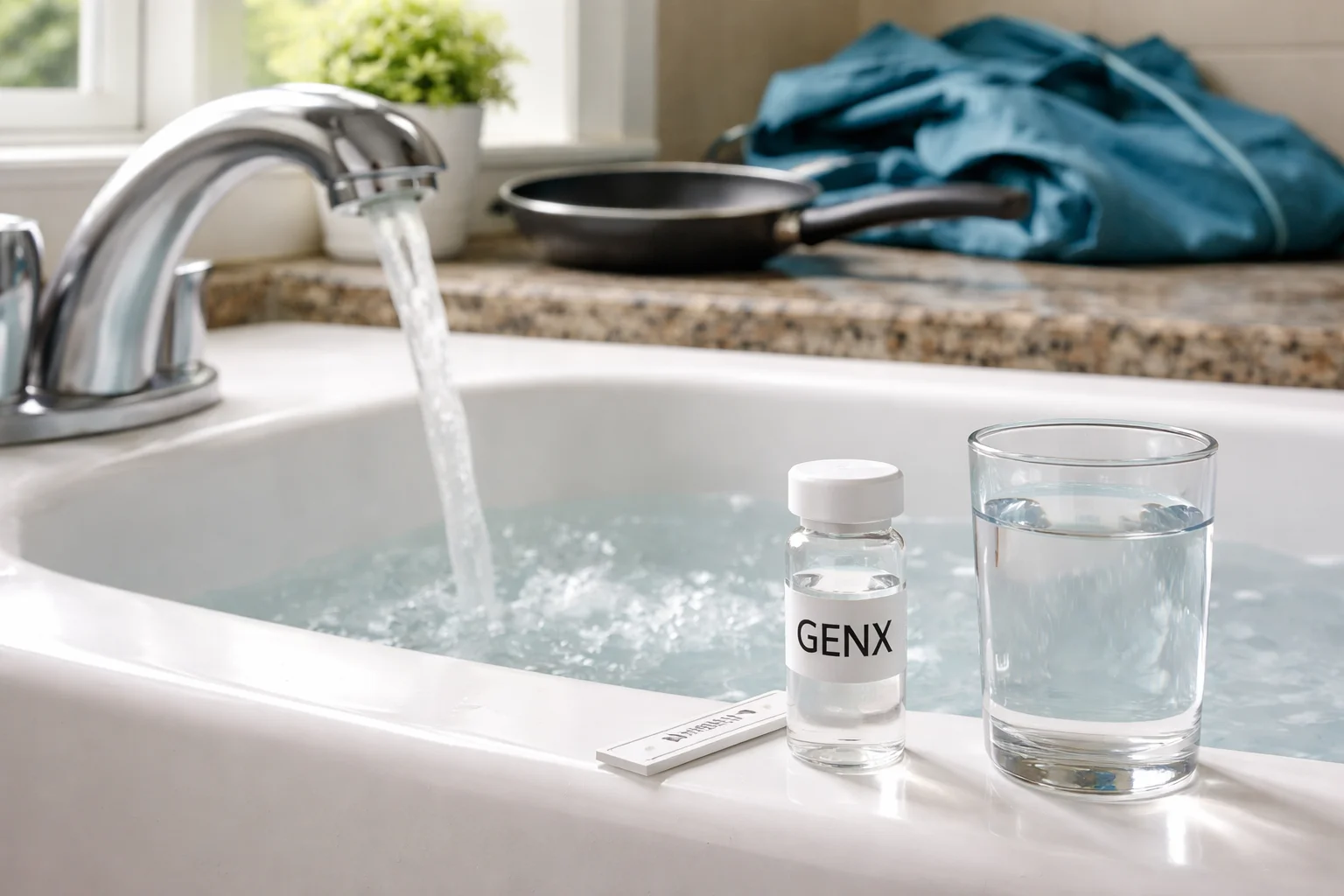
GenX is a member of the PFAS family that can enter drinking water when industrial chemicals reach water sources. Often called HFPO-DA, it’s grouped with other “forever chemicals” because it can persist in the environment. You usually can’t see, smell, or taste GenX in your tap water, so testing is the only way to know what’s present. Benbow homeowners who want to lower household exposure often look for treatment that protects every tap, not just a single faucet.
Because GenX typically appears at very low concentrations, effective control means using treatment aimed at PFAS rather than a basic taste-and-odor filter. A point-of-use unit at the kitchen sink can protect drinking and cooking water, but it won’t treat showers, laundry, or appliances. Installing whole-house filtration treats water as it enters a Benbow home so every faucet and shower benefits — important here where hard, mineral-rich water from limestone aquifers is common and affects plumbing and fixtures. The aim is steady reduction across daily uses, with a system sized for your household’s demand.
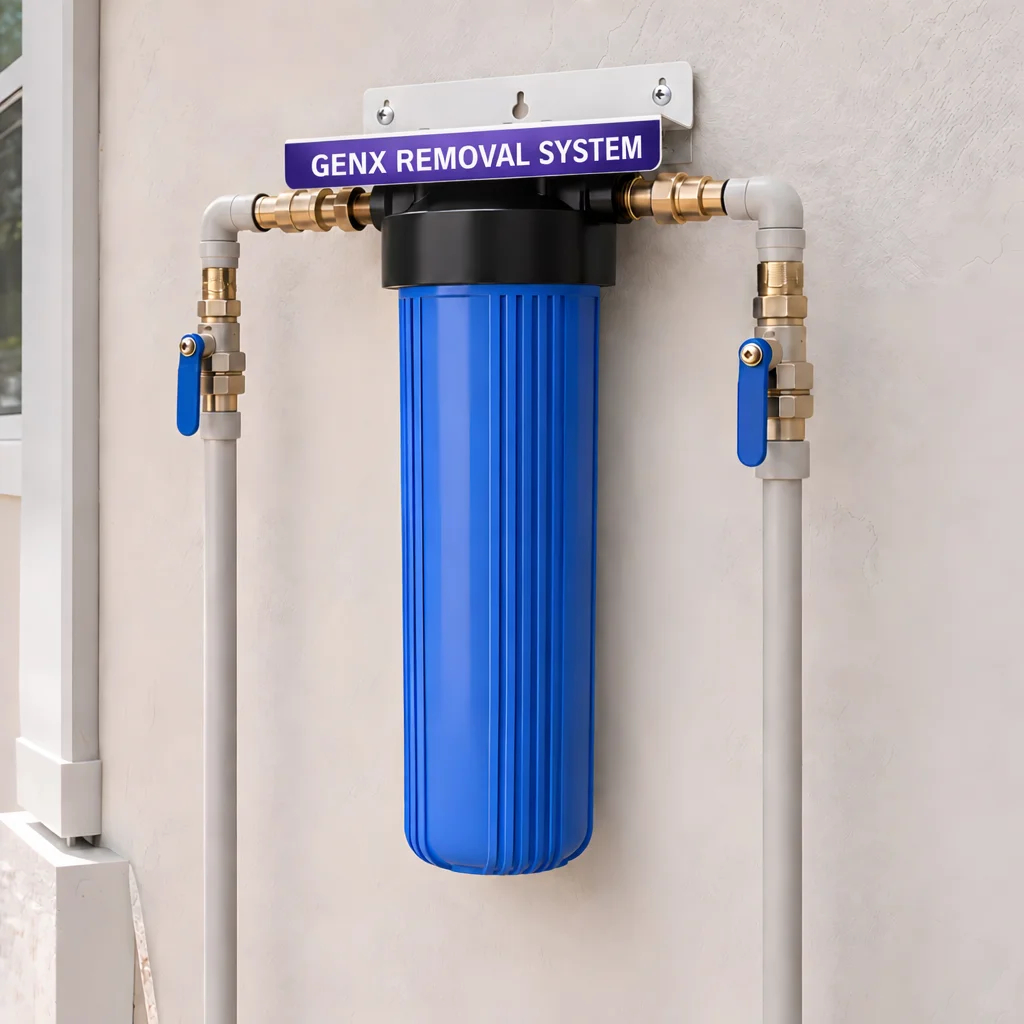
For whole-house GenX reduction, the most effective single filter media is a properly designed granular activated carbon (GAC) system using quality carbon and adequate contact time. GenX (HFPO-DA) can be tougher to remove than some long-chain PFAS, so factors like carbon type, bed depth, and flow rate matter. A GAC tank placed at the main line treats all incoming water to help lower GenX at showers, faucets, and appliances throughout your Benbow home, and it does so without adding chemicals to the water.
Activated carbon removes contaminants by adsorption, so the system must provide enough contact time and timely media replacement to work well. High household water use, fast flow rates, and other contaminants can shorten carbon life, which is why proper sizing and a maintenance plan are essential. Mr. Pure Water designs whole-house GAC systems around a home’s plumbing needs in Benbow — accounting for hard water conditions — and recommends periodic testing so you can confirm reduction and know when service is needed.
 772-290-5223
 info@bestwaterheater.com

