 Phone: 954-208-3500
 info@bestwaterheater.com
Phone: 954-208-3500
info@bestwaterheater.com
info@bestwaterheater.com
Phone: 954-208-3500
info@bestwaterheater.com
 Phone: 954-208-3500
info@bestwaterheater.com
Phone: 954-208-3500
info@bestwaterheater.com

Including filter system and high-performance Glyphosate filter.


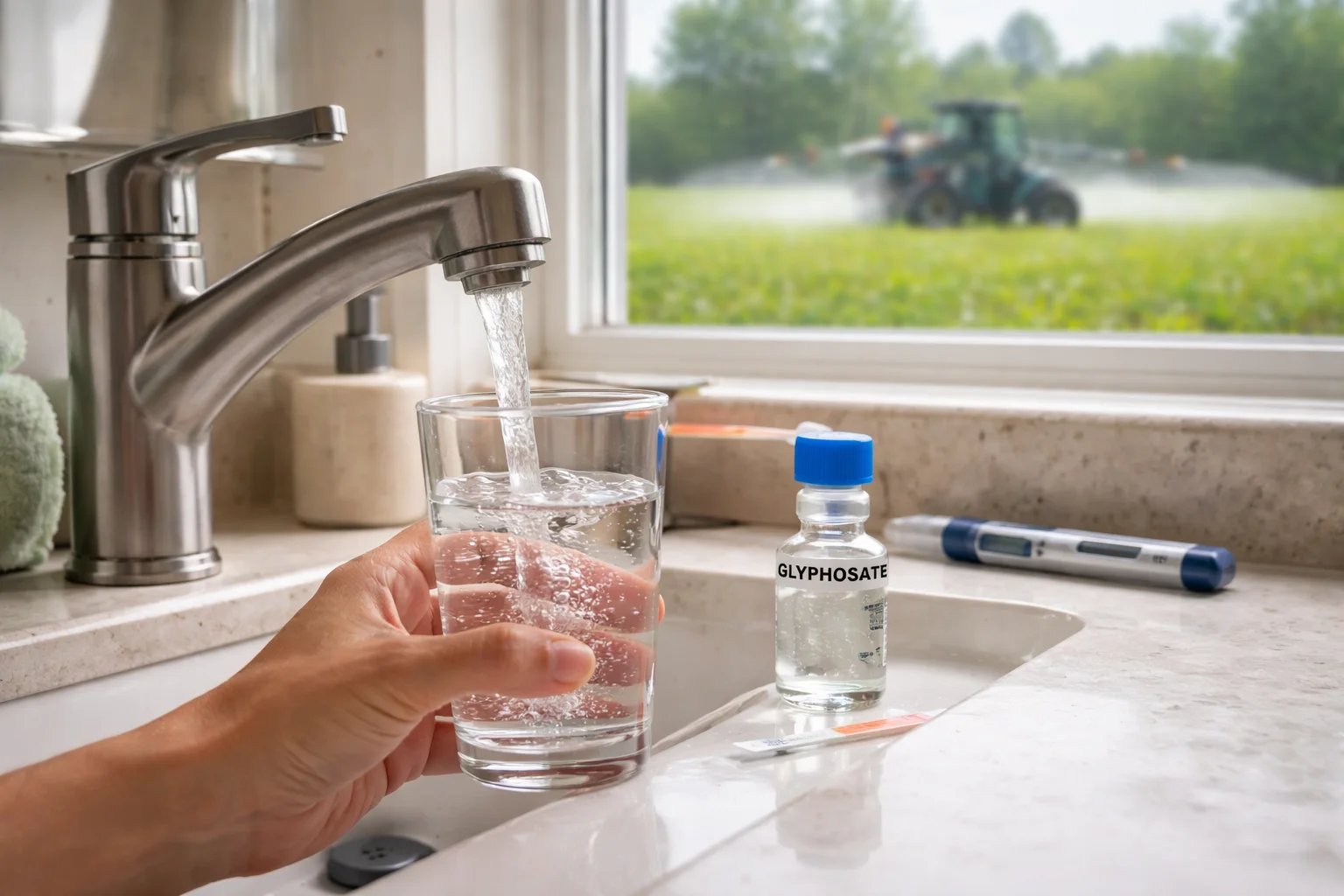
Glyphosate is a commonly used herbicide that can occasionally reach waterways that feed drinking supplies, and homeowners in Bay Harbor may hear concerns about it from neighbors or the news. Because glyphosate is colorless and odorless and usually found at very low levels, the only reliable way to identify it in your household water is through testing. If you’d like greater control over what comes from your taps—especially in a Miami-Dade County area where municipal water tends to be hard—treating water at the point it enters your house is an effective option.
Even well-treated municipal systems don’t always remove every modern chemical; glyphosate can also appear in private wells depending on how surface runoff and soil carry contaminants. For Bay Harbor homes that want consistent protection for drinking, cooking, bathing, and laundry, a whole-house approach treats water everywhere in the house rather than at a single tap. The right whole-home system is sized for your household’s usage patterns and considers how compounds move and behave in water, which is especially useful in humid, coastal areas of the Miami metropolitan region.
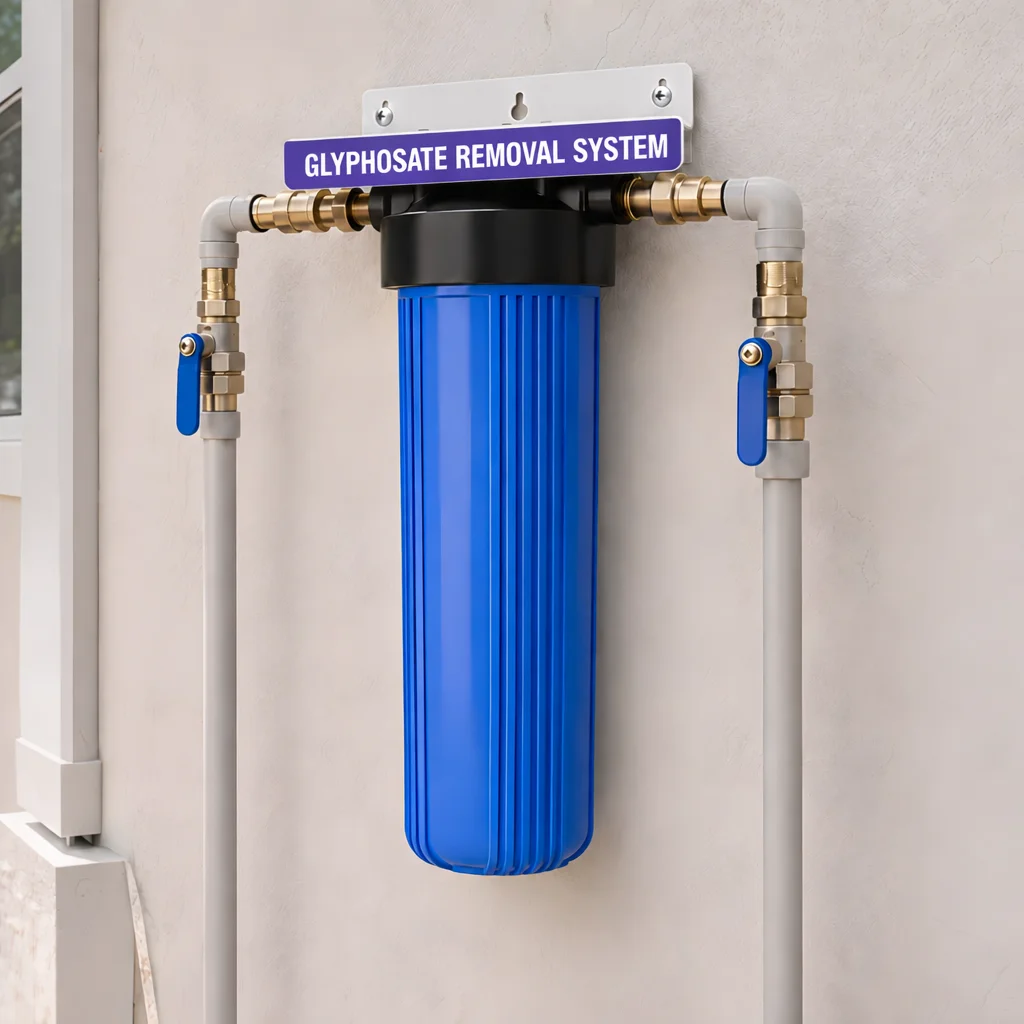
When choosing a single whole-house filter to reduce glyphosate, a catalytic carbon tank is often the best standalone option for tackling organic contaminants. Carbon media reduces dissolved compounds by adsorption as water flows through the tank, and for a water-soluble substance like glyphosate you’ll get the best results by using the proper carbon type, ensuring sufficient contact time, and maintaining an appropriate flow rate. A professionally sized catalytic carbon system helps Bay Harbor households get the necessary media contact to meaningfully reduce glyphosate and similar organics.
Mr. Pure Water can design and install a whole-house catalytic carbon system matched to your Bay Harbor home’s peak demand so performance stays steady during showers, laundry, and other busy times. We commonly add pre-filtration to remove sediment—important in hard-water areas—to protect the carbon bed from channeling and preserve efficiency. With routine maintenance and scheduled media replacement, a whole-house carbon filter delivers continuous reduction without changing how you use water; start with a water test and we’ll recommend the correct size and configuration for your property.
 954-208-3500
 info@bestwaterheater.com

