 Phone: 954-208-3500
 info@bestwaterheater.com
Phone: 954-208-3500
info@bestwaterheater.com
info@bestwaterheater.com
Phone: 954-208-3500
info@bestwaterheater.com
 Phone: 954-208-3500
info@bestwaterheater.com
Phone: 954-208-3500
info@bestwaterheater.com

Including filter system and high-performance Glyphosate filter.


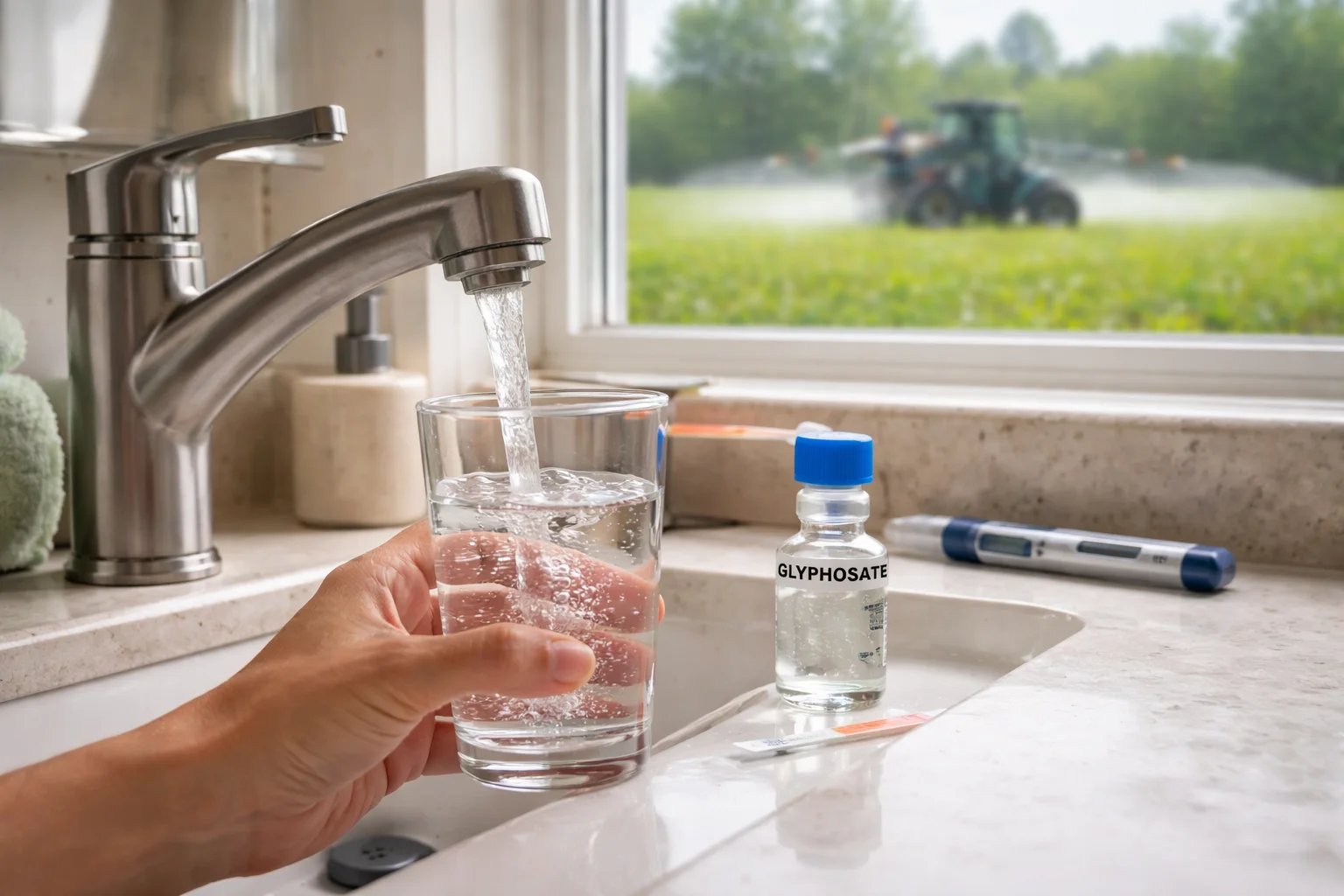
Glyphosate is a common herbicide that can sometimes enter waterways and, at trace levels, reach drinking supplies. Pompano Isles homeowners who follow local water news often ask what that could mean for their tap water. Because glyphosate is colorless and odorless and usually present in very small amounts, the only reliable way to know whether it’s in your water is a proper lab test. If you’d prefer to limit what comes into your house regardless of test results, treating water at the main entry point gives you control over what flows to every faucet and appliance.
Municipal systems reduce many risks, but some modern chemicals can be harder to remove with basic treatment steps alone. In Broward County and the Miami metro area, movement of surface runoff and local soil conditions can influence whether compounds like glyphosate reach private wells or distribution systems. For homeowners in Pompano Isles who want coverage for drinking, cooking, bathing, and laundry, whole-house treatment provides consistent protection at every outlet. A properly designed system is sized for your household and considers how contaminants behave in water to deliver reliable performance throughout the home.
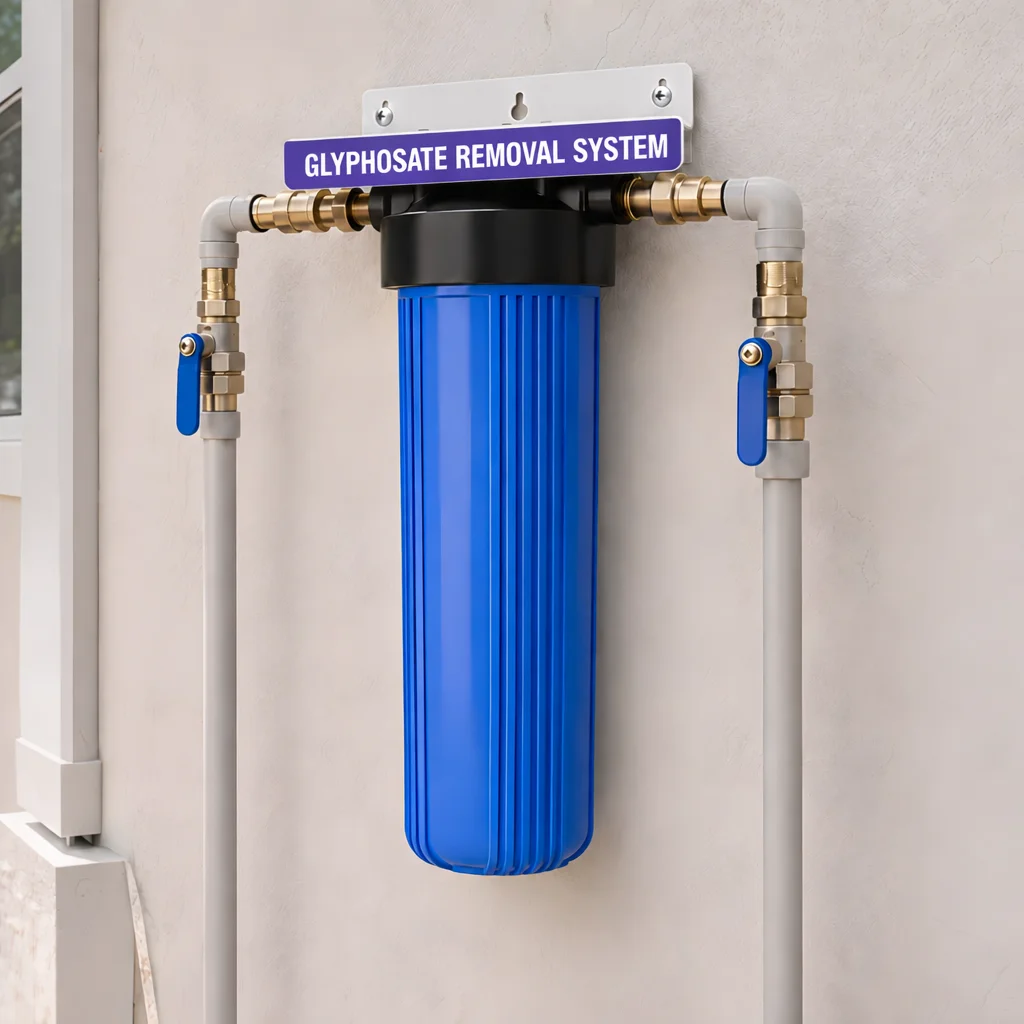
When the goal is whole-house reduction of glyphosate, a catalytic carbon filter is typically the best single-filter option for controlling a broad range of organic contaminants. Carbon media removes dissolved compounds by adsorption as water flows through the tank, but because glyphosate is water-soluble and can be tougher to address than simple taste-and-odor problems, the choice of carbon, contact time, and flow rate are important. Installing a professionally sized catalytic carbon system in your Pompano Isles home helps ensure adequate contact with the media for meaningful reduction.
Mr. Pure Water can size and install a whole-house catalytic carbon filter to match your household’s peak demand in Pompano Isles, where hard municipal water and scale are common concerns. We often add pre-filtration to guard the carbon from sediment that can reduce efficiency or cause channeling, while the carbon tank remains the primary treatment stage. With routine maintenance and scheduled media replacement, a whole-house carbon system delivers ongoing reduction without changing how you use water—start with a water test and we’ll recommend the ideal size and setup for your home.
 954-208-3500
 info@bestwaterheater.com

