 Phone: 850-772-1365
 info@bestwaterheater.com
Phone: 850-772-1365
info@bestwaterheater.com
info@bestwaterheater.com
Phone: 850-772-1365
info@bestwaterheater.com
 Phone: 850-772-1365
info@bestwaterheater.com
Phone: 850-772-1365
info@bestwaterheater.com

Including filter system and high-performance Haloacetic Acids filter.


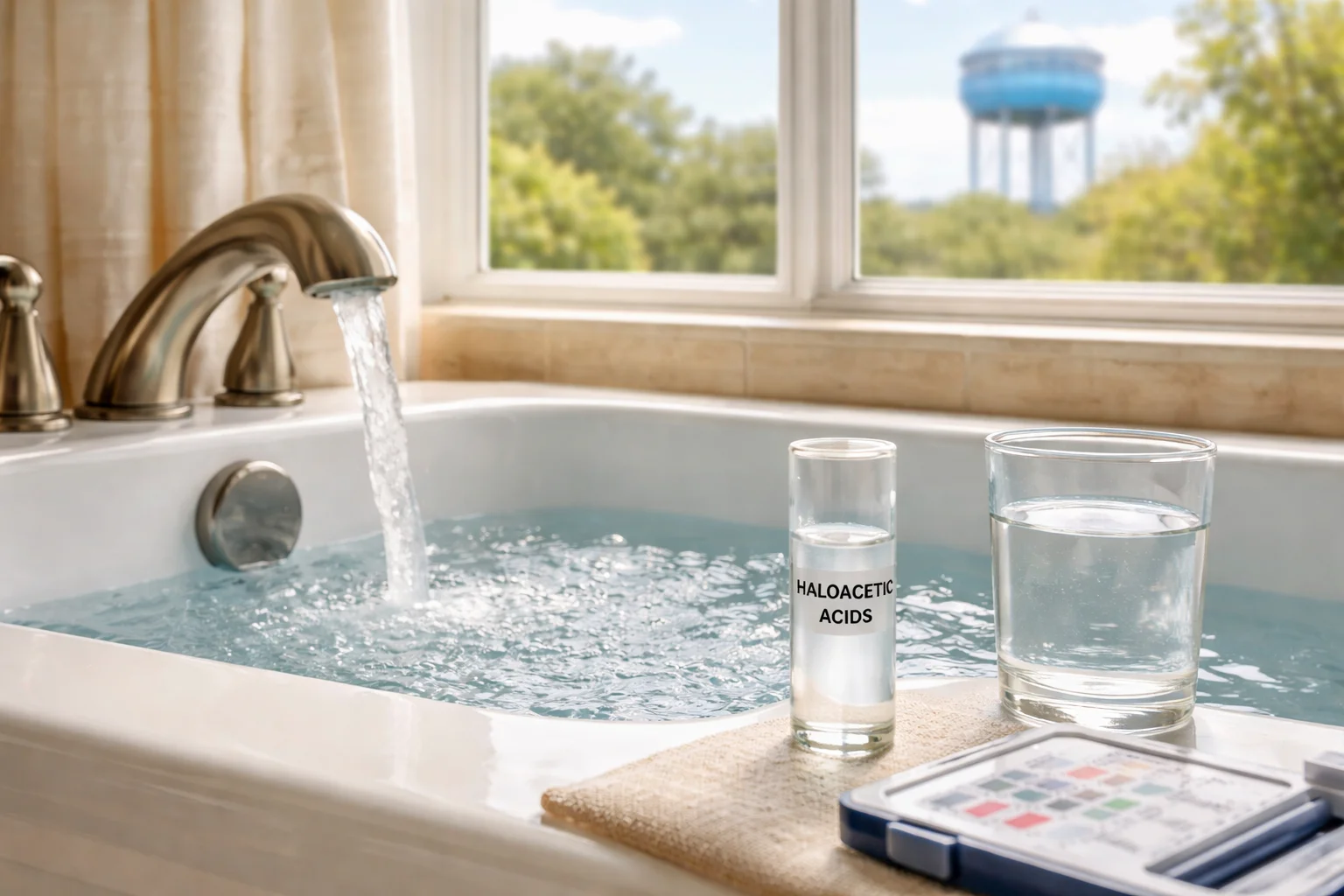
Haloacetic acids are disinfection byproducts that form when chlorine reacts with natural organic matter during water treatment. You may see them listed as HAAs on utility reports or grouped as HAA5 and HAA9. Because they can form during treatment and travel through distribution, haloacetic acids may be present even in water that looks clear and tastes normal. Many Bethel homeowners choose to treat water at the point it enters the house to lower overall exposure.
Haloacetic acids usually have no noticeable smell or flavor, so you can’t rely on sensory cues to know if they’re present. Concentrations can change with source-water conditions and treatment practices, so a single test doesn’t always capture long-term variations. If you want reduced HAA levels for drinking, cooking and bathing throughout your Bethel home, small pitchers or under-sink units won’t cover every faucet; a whole-house solution gives steadier protection across the entire household.
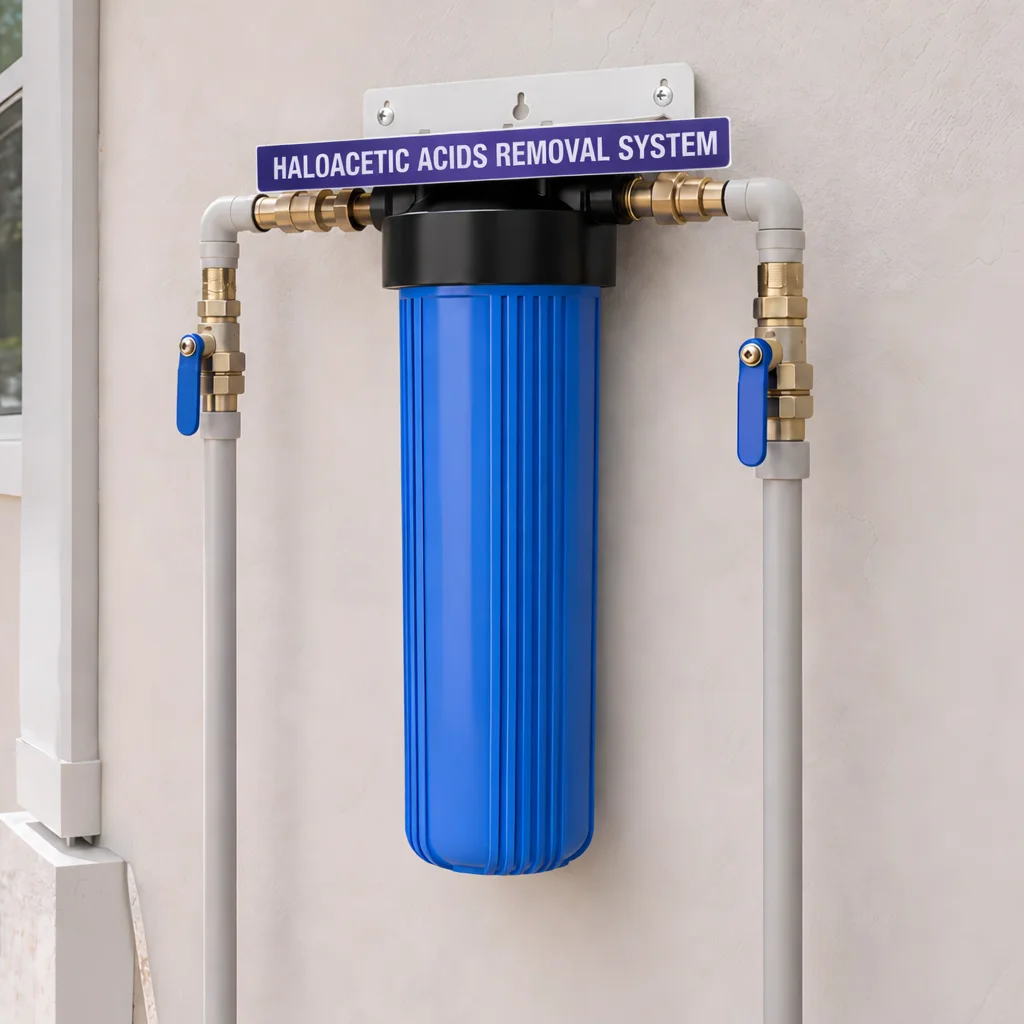
The most effective single-filter option for haloacetic acids is a catalytic carbon whole-house filter. Catalytic carbon adsorbs many disinfection byproducts, including HAAs such as HAA5 and HAA9, and treats water for every faucet, shower and appliance without changing how you use water. Properly sized to your home’s flow, this single tank installs on the main line so the whole Bethel residence benefits from continuous reduction.
A well-designed catalytic carbon tank uses sufficient media and contact time so water spends enough time in the carbon bed to improve HAA removal. Maintenance is straightforward: scheduled media replacement keeps performance consistent. Because the filter treats water upstream, it also helps protect plumbing and fixtures from chlorine-related effects while improving overall water quality. Mr. Pure Water can assess your Bethel home and recommend the right whole-house catalytic carbon system for your needs.
 850-772-1365
 info@bestwaterheater.com

