 Phone: 305-404-8790
 info@bestwaterheater.com
Phone: 305-404-8790
info@bestwaterheater.com
info@bestwaterheater.com
Phone: 305-404-8790
info@bestwaterheater.com
 Phone: 305-404-8790
info@bestwaterheater.com
Phone: 305-404-8790
info@bestwaterheater.com

Including filter system and high-performance Haloacetonitriles filter.


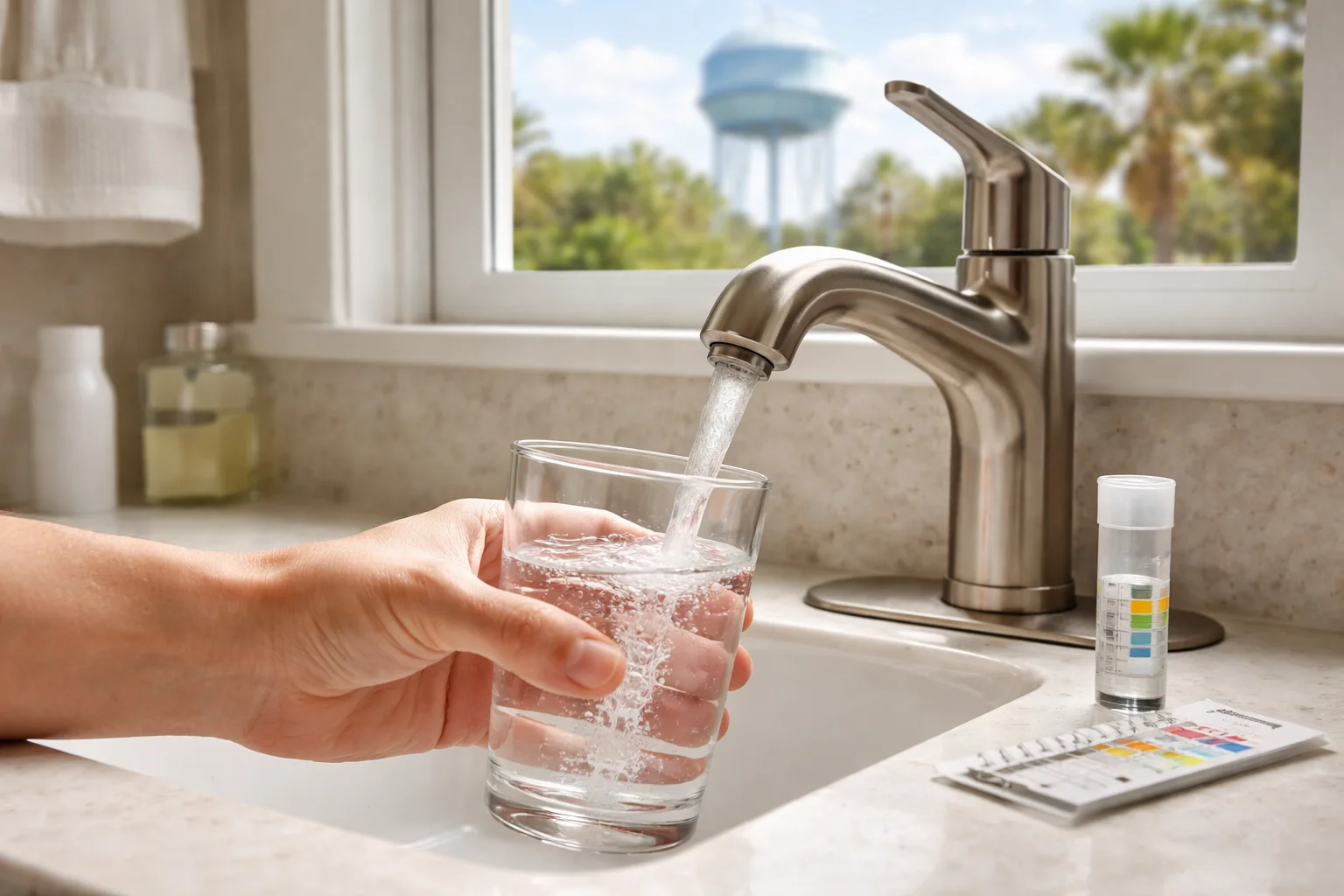
Haloacetonitriles are disinfection byproducts formed when chlorine or chloramine reacts with natural organic matter in source water. Even when West Little River tap water looks clear and tastes fine, these compounds can be present at low levels because they are created during routine disinfection. Homeowners who want to understand their water should rely on a laboratory test to confirm whether haloacetonitriles are present and to quantify any concentrations before choosing treatment.
Haloacetonitriles belong to the same family of disinfectant byproducts that includes trihalomethanes (THMs) and haloacetic acids (HAAs), and their concentrations can shift with changes in source water and treatment practices. That variability is why a single test can differ from another taken later. In West Little River and the surrounding Miami-Dade County area, people often notice stronger chlorine odors, altered taste, or skin irritation from hard, heavily treated municipal water and choose whole-house treatment to address overall water quality for drinking, cooking, bathing, and laundry.
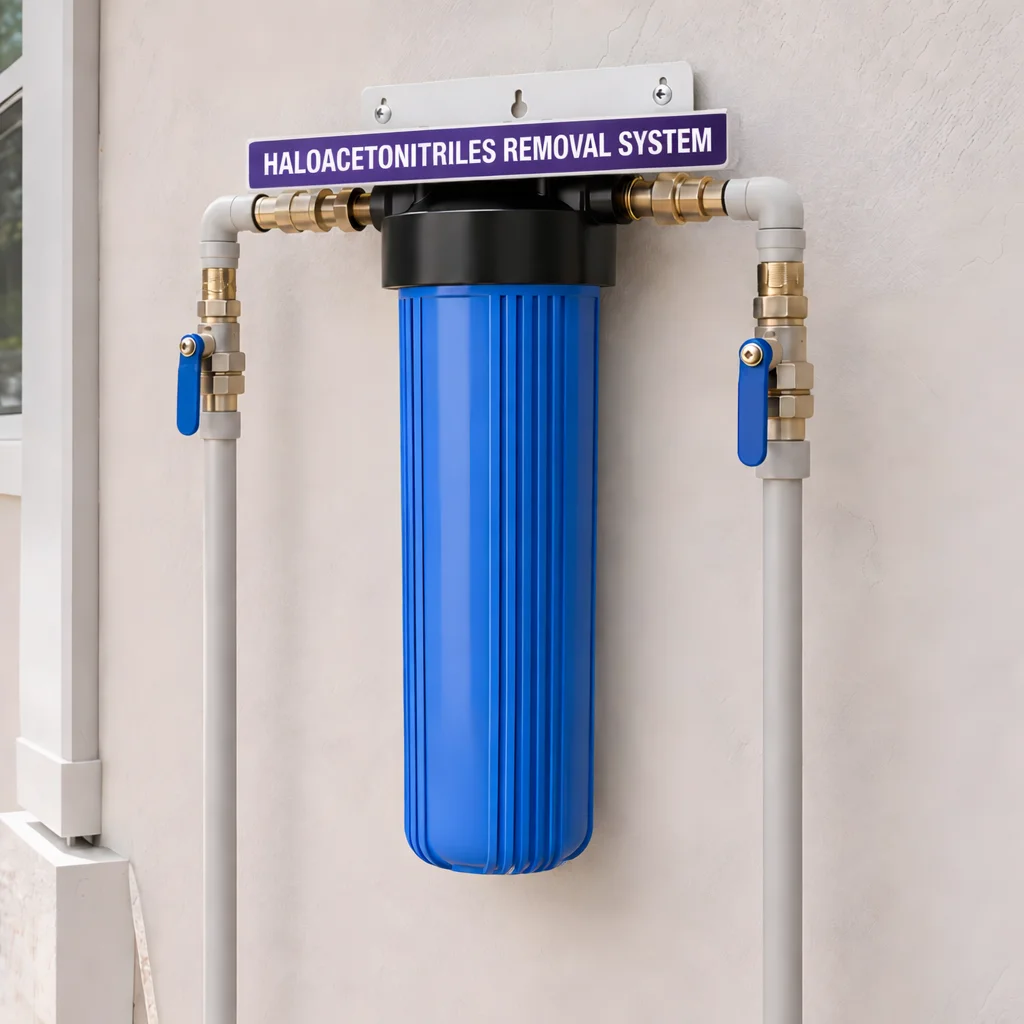
To reduce haloacetonitriles at every faucet and shower, a whole-house activated carbon filter is typically the most effective single-filter choice. Catalytic carbon in particular is well-suited for handling a broader range of chlorine-related compounds while improving taste and odor—useful for West Little River homes on Miami-Dade’s hard municipal supply. Carbon lowers disinfectant residuals that can lead to byproduct formation in home plumbing, delivering treated water throughout your house without changing how you use it day to day.
Effective removal depends on adequate carbon contact time, so correct sizing and flow rate are important when installing whole-house carbon systems for West Little River residences. A high-capacity carbon tank sized for typical household demand performs better than small cartridges that can exhaust quickly, and routine media replacement prevents breakthrough as the carbon becomes spent. Mr. Pure Water can evaluate your home—accounting for Miami-Dade water hardness and family water use—and recommend a catalytic carbon configuration that targets haloacetonitriles while improving overall comfort and taste.
 305-404-8790
 info@bestwaterheater.com

