 Phone: 850-772-1365
 info@bestwaterheater.com
Phone: 850-772-1365
info@bestwaterheater.com
info@bestwaterheater.com
Phone: 850-772-1365
info@bestwaterheater.com
 Phone: 850-772-1365
info@bestwaterheater.com
Phone: 850-772-1365
info@bestwaterheater.com

Including filter system and high-performance Hard Water filter.


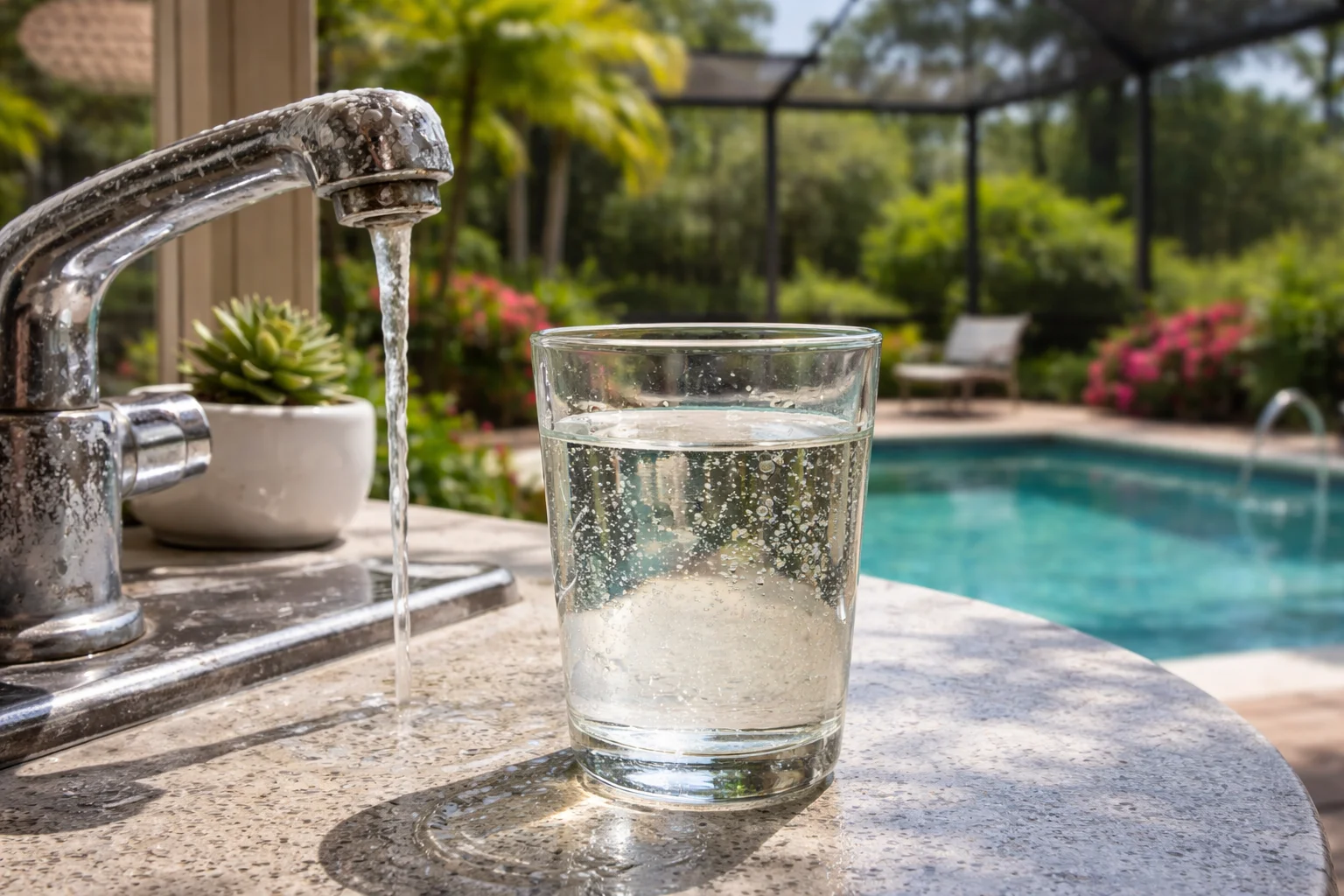
Hard water happens when dissolved minerals build up in your home’s supply, leaving behind white scale on faucets and shower doors, water spots on dishes, and soap that won’t rinse away. Homeowners in Open Sands often recognize these signs as hardness or total hardness — the mineral deposits that make cleaning tougher and can slowly coat surfaces. Left unchecked, that buildup can also reduce appliance efficiency and affect how well your water heats and flows.
You might first suspect hard water when shampoo won’t lather, towels feel stiff, or glassware comes out spotted from the dishwasher. Calcium and magnesium are the usual culprits behind total hardness, leaving mineral residue as water evaporates. Levels can differ between homes and over time, so many Open Sands homeowners find the most consistent results come from treating water at the point it enters the house rather than relying on separate treatments at individual fixtures.
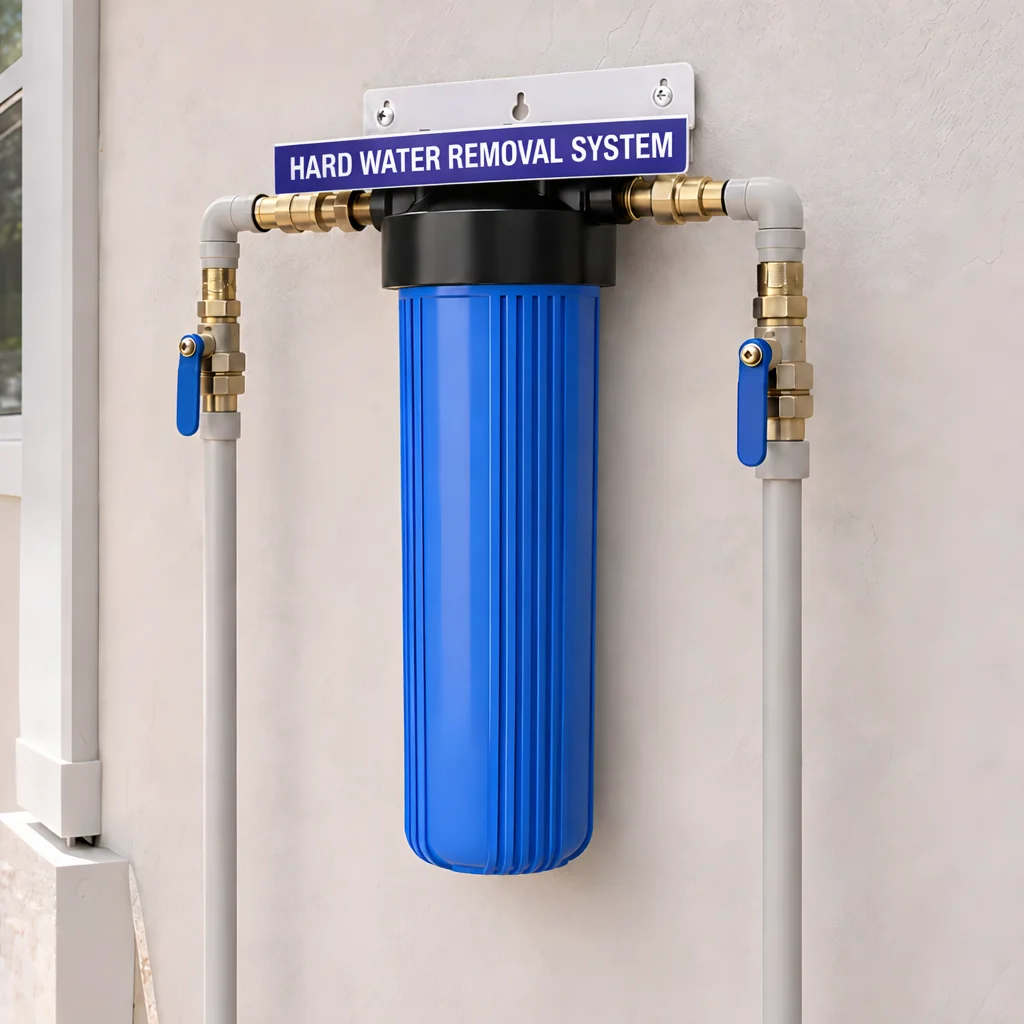
To address hard water throughout your Open Sands home, the most effective single-filter choice is a salt-based ion exchange water softener installed on the main water line. These systems swap calcium and magnesium for sodium or potassium, preventing the minerals that cause hardness from forming scale. Because the softener treats all incoming water, it helps keep showers, water heaters, dishwashers, and plumbing free of mineral buildup and makes soaps and detergents perform better.
A correctly sized ion exchange softener is matched to your household’s water use and the total hardness you want to control. In Open Sands, a whole-house installation ensures every tap and appliance gets softened water without multiple point-of-use units. Routine upkeep is straightforward: keep the brine tank filled and allow periodic regeneration so the system continues removing hardness. Mr. Pure Water can help you pick the right capacity and install it with minimal disruption to your home.
 850-772-1365
 info@bestwaterheater.com

