 Phone: 321-400-9302
 info@bestwaterheater.com
Phone: 321-400-9302
info@bestwaterheater.com
info@bestwaterheater.com
Phone: 321-400-9302
info@bestwaterheater.com
 Phone: 321-400-9302
info@bestwaterheater.com
Phone: 321-400-9302
info@bestwaterheater.com

Including filter system and high-performance Hepatitis E Virus filter.


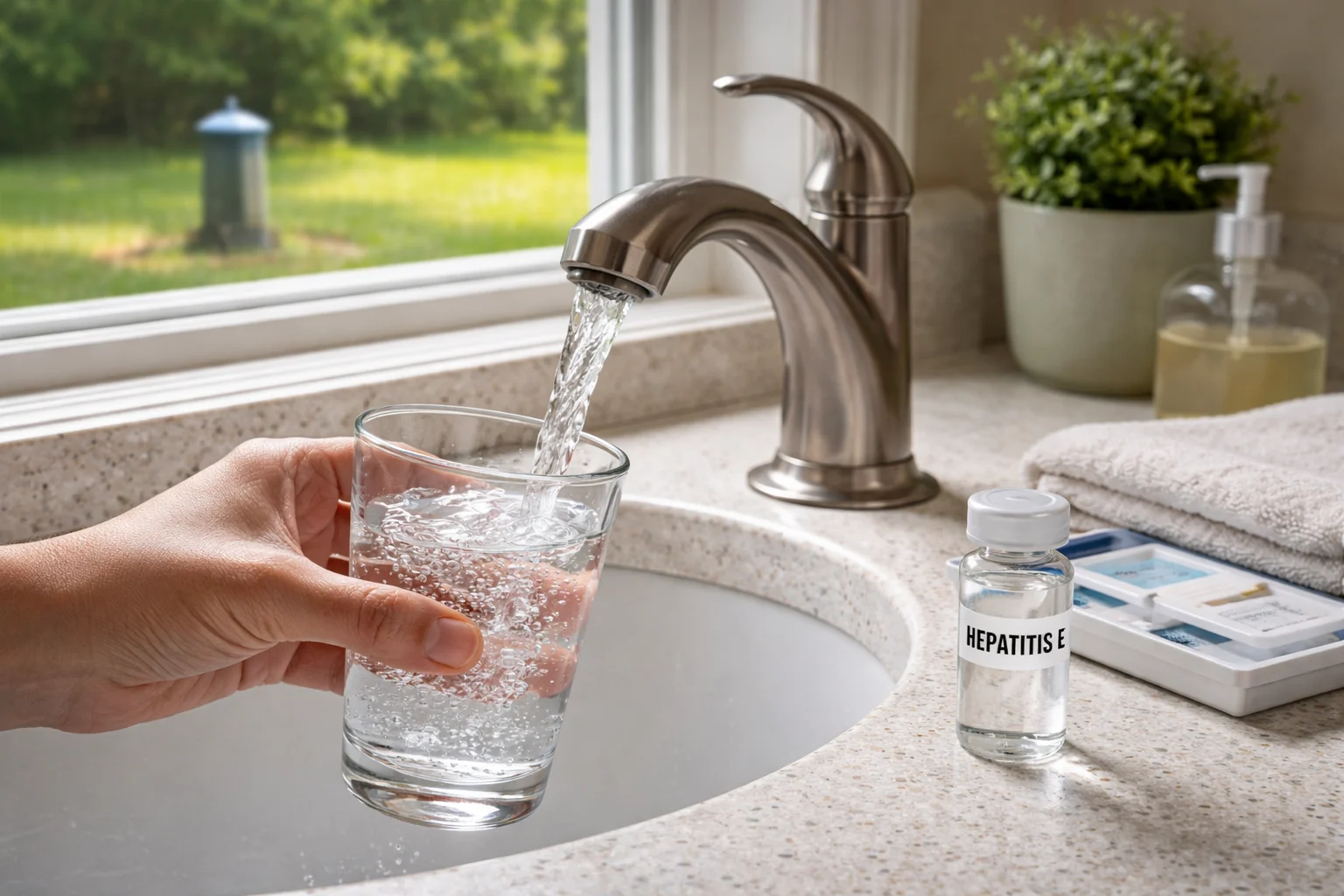
Hepatitis E virus is a pathogen that can enter drinking water when human or animal waste contaminates a supply. Because viruses are microscopic, water contaminated with hepatitis e virus may look, taste, and smell perfectly normal. Even though municipal systems disinfect, no treatment is flawless, and private wells around Malabar and greater Brevard County can be especially vulnerable after heavy rains or plumbing upsets. For homeowners here, understanding viral risk and how whole‑home protection works is a smart step toward safer water.
Concerns about hepatitis e virus often surface after flooding, well trouble, plumbing work, or any event that could let wastewater mix with drinking water. Rather than guessing, the practical response is a treatment plan that targets microorganisms at the source. If you live in Malabar, own an older house, draw water from a private well, or simply want extra assurance for drinking, cooking, and bathing, a point‑of‑entry system provides continuous protection for every tap.
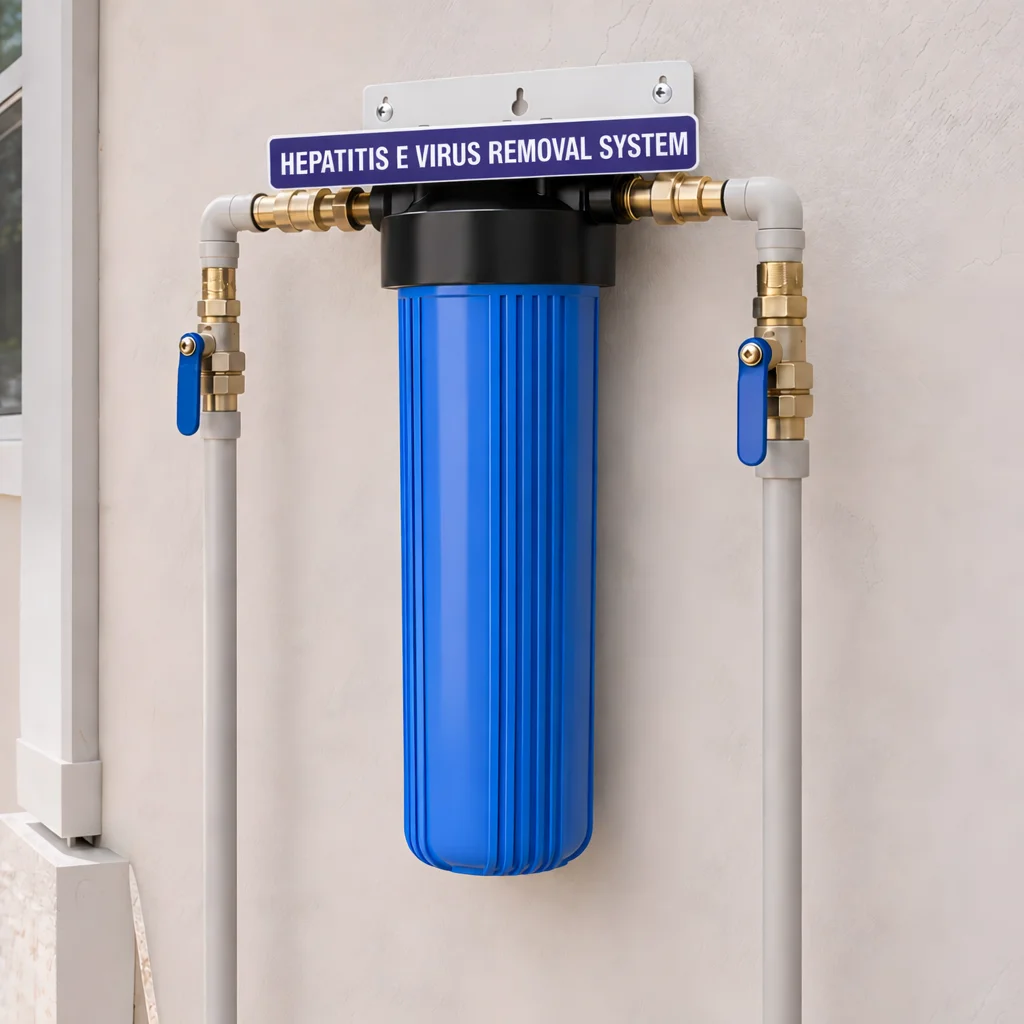
The single most effective whole‑house filter for hepatitis e virus is an ultraviolet (UV) disinfection unit installed on the main water line. UV inactivates viruses as water passes a specialized lamp, delivering chemical‑free treatment that doesn’t change water taste. Because viruses are too small for typical sediment or carbon filters to reliably trap, UV is commonly used as the primary virus barrier in point‑of‑entry systems—treating all household water before it reaches faucets and appliances in Malabar homes.
A correctly sized UV system matches your home’s flow rate so every tap gets disinfected water, and it performs best when paired with simple prefiltration to remove cloudiness that can shield microorganisms. Routine upkeep—replacing the UV lamp on schedule and keeping the quartz sleeve clean—is essential to maintain protection. Mr. Pure Water serves Malabar and Brevard County residents and can recommend the right UV whole‑house setup to lower hepatitis e virus risk while accounting for local conditions like hard groundwater that can affect fixtures and equipment.
 321-400-9302
 info@bestwaterheater.com

