 Phone: 305-404-8790
 info@bestwaterheater.com
Phone: 305-404-8790
info@bestwaterheater.com
info@bestwaterheater.com
Phone: 305-404-8790
info@bestwaterheater.com
 Phone: 305-404-8790
info@bestwaterheater.com
Phone: 305-404-8790
info@bestwaterheater.com

Including filter system and high-performance Humic Acids filter.


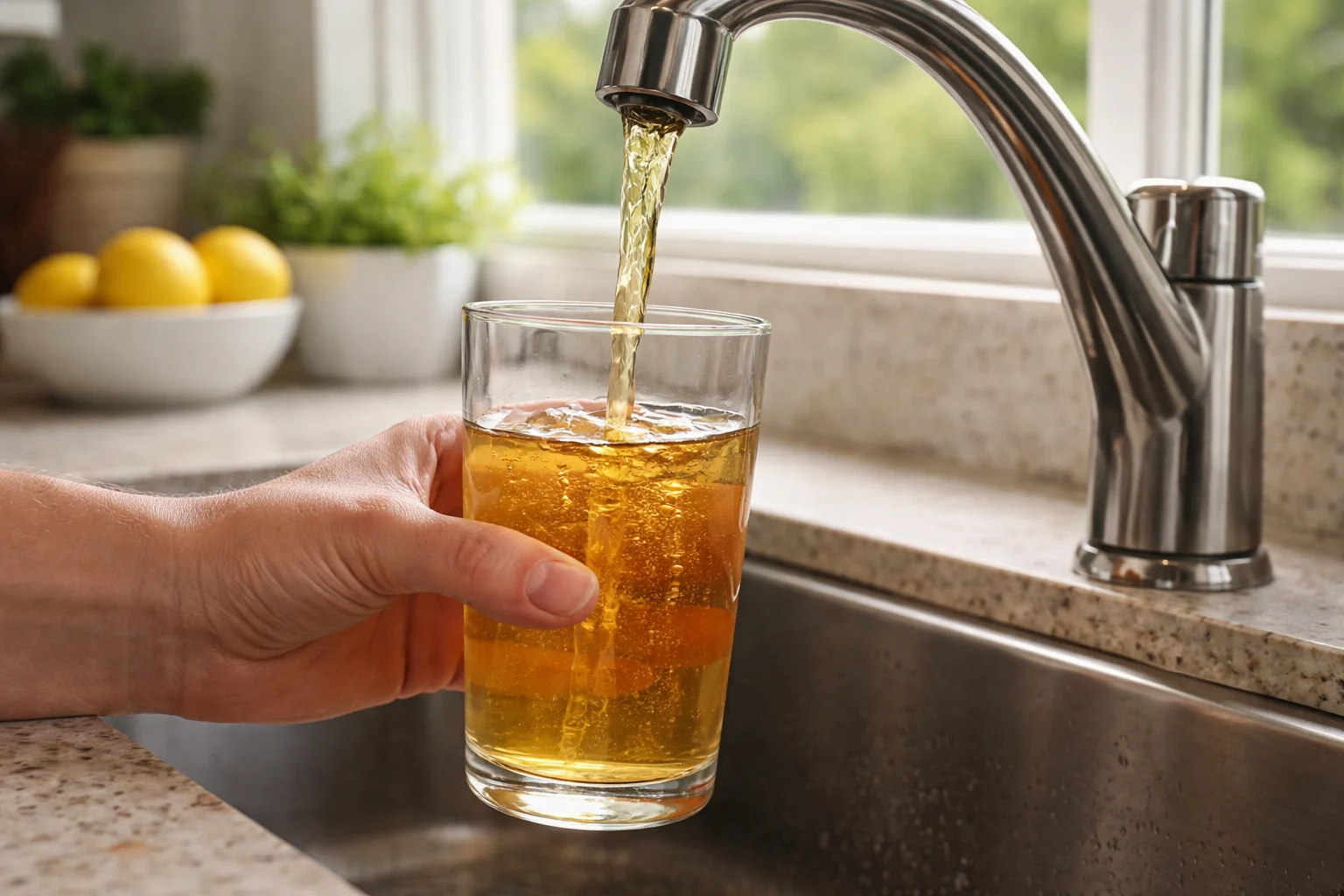
Humic acids are natural organic compounds formed as leaves, wood and other plant material decompose; in water they can give a yellow or tea-colored tint, an earthy flavor, and a noticeable odor. These compounds belong to the broader category called humic substances, which also includes fulvic acids. While not an industrial chemical, elevated levels can make household water less appealing for drinking, cooking and bathing in Bay Harbor Islands homes.
Aside from looks and taste, higher amounts of natural organic matter can cause ongoing nuisance issues like staining, film on fixtures, and uneven flavor from tap to tap. Humic substances may force a utility to use more disinfectant to maintain residuals, which in turn can increase chlorine-like smells in some properties. Because humic acids and fulvic acids often fluctuate with season and source-water conditions, the issue can feel intermittent around Bay Harbor Islands and the greater Miami-Dade area. Treating water at the point of entry ensures every shower, sink and appliance sees the same improved water.
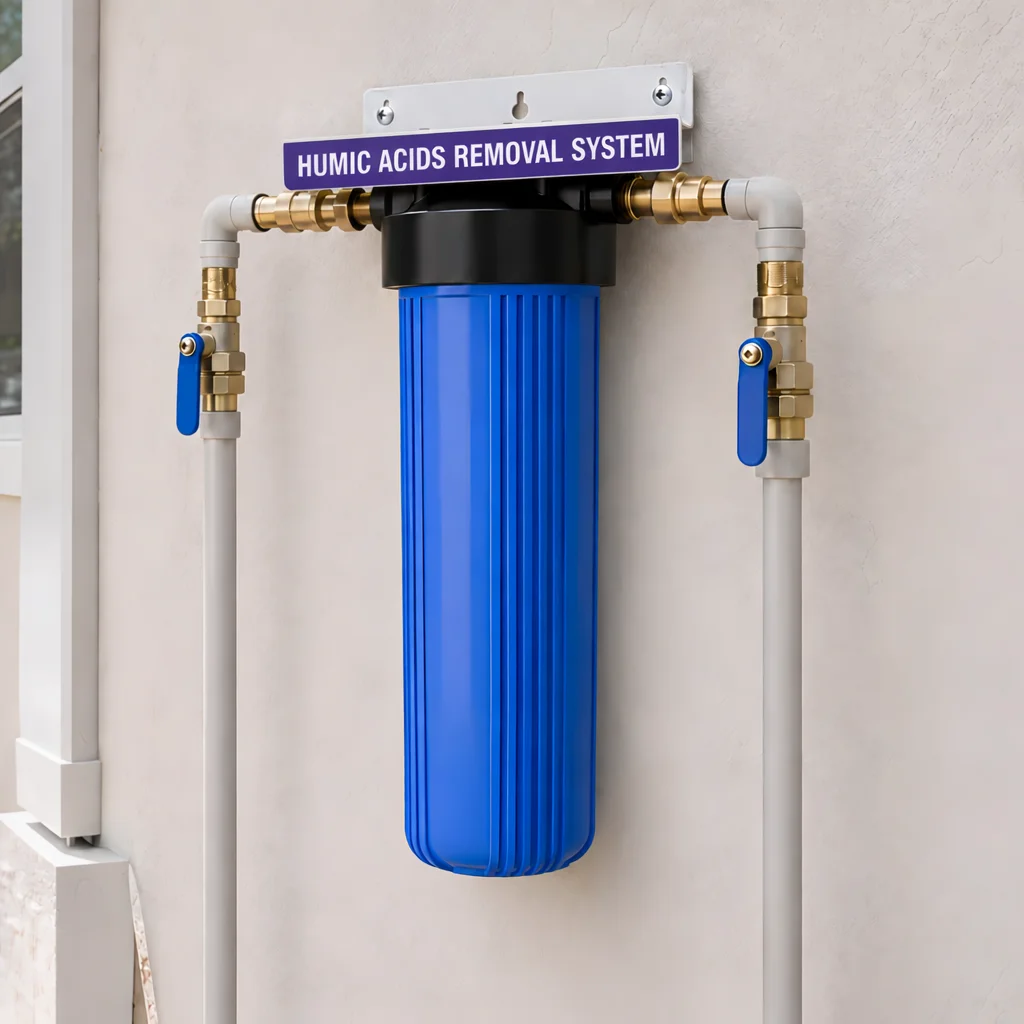
For point-of-entry treatment, a whole-house catalytic carbon filter is usually the single most effective option for homeowners in Bay Harbor Islands. Catalytic carbon adsorbs many organic compounds and can reduce the color, taste and odor associated with humic substances, while also lowering chlorine that can react with natural organics. Installed as a main tank filter, it handles the full household flow without relying on small under-sink cartridges, which is useful in hard, coastal Miami-Dade water conditions.
Because humic acids and fulvic acids are dissolved natural organic matter, treatment success depends on proper media volume and contact time rather than simply “having carbon.” A correctly sized catalytic carbon system is designed for whole-house flow rates and gives water enough time in the bed for adsorption to occur. This approach is low-maintenance for daily life in Bay Harbor Islands—improving bathing, laundry and cooking water from one centralized point—though severe color issues may warrant a specialist assessment to confirm carbon alone is the best solution.
 305-404-8790
 info@bestwaterheater.com

