 Phone: 954-208-3500
 info@bestwaterheater.com
Phone: 954-208-3500
info@bestwaterheater.com
info@bestwaterheater.com
Phone: 954-208-3500
info@bestwaterheater.com
 Phone: 954-208-3500
info@bestwaterheater.com
Phone: 954-208-3500
info@bestwaterheater.com

Including filter system and high-performance Humic Acids filter.


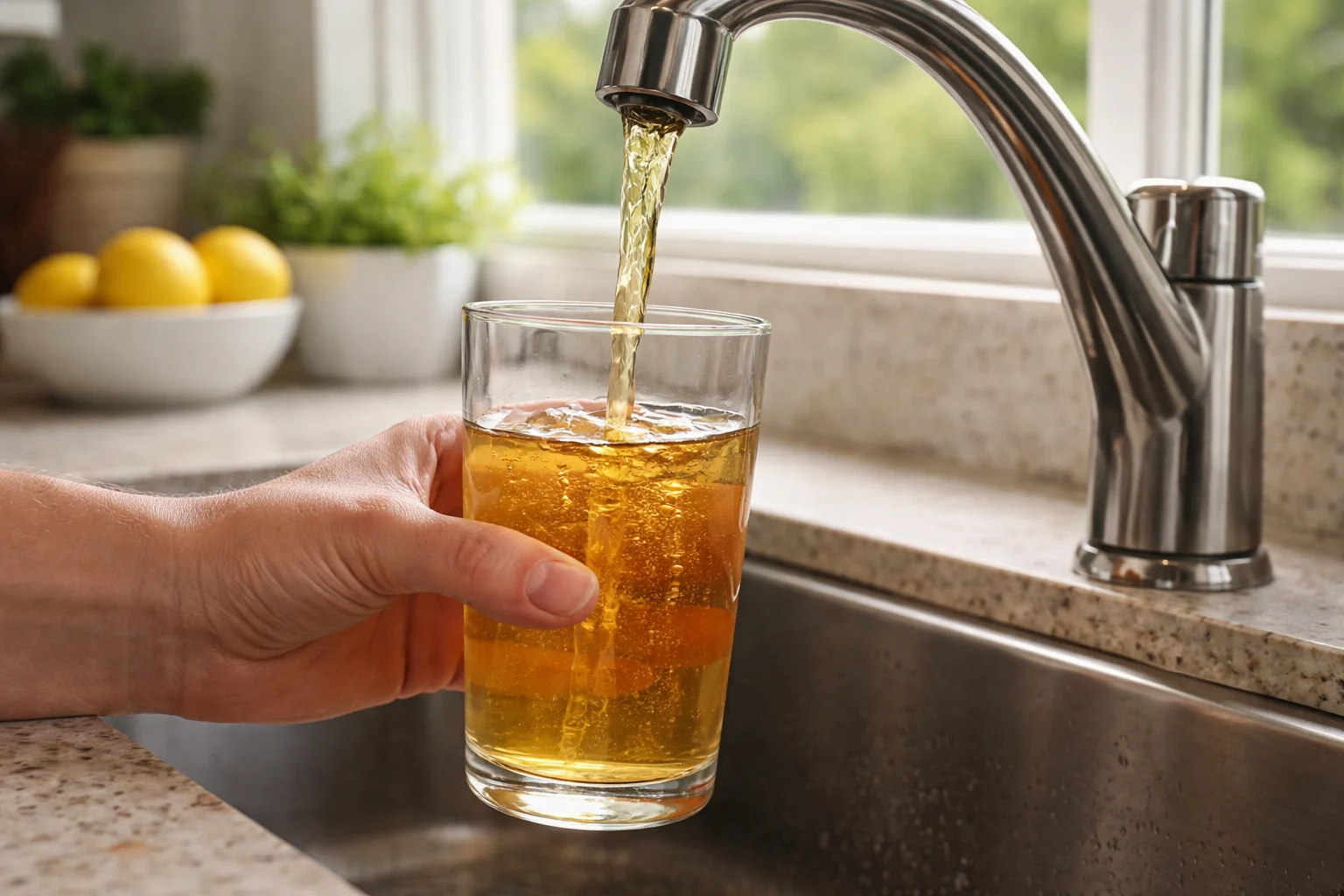
Humic acids form naturally when leaves, wood and other plant material decompose, and in water they can give a yellow or tea-colored tint, an earthy flavor, and a faint odor—especially when surface water influences the supply. You may also see this group referred to as humic substances or fulvic acids. They’re not an industrial spill, but when present at noticeable levels they can make everyday water use in Imperial Point less pleasant, from drinking to rinsing dishes.
Aside from appearance and taste, elevated natural organic matter can cause staining, films on fixtures, and variable tap flavor throughout your home. In coastal Broward County systems, humic substances can also affect how much disinfectant a utility needs, sometimes increasing that chlorine-like smell people notice. Because humic acids and fulvic acids change with seasons and source-water conditions, the issue can be intermittent — a whole-house solution treats water before it reaches every shower, appliance, and kitchen tap in Imperial Point.
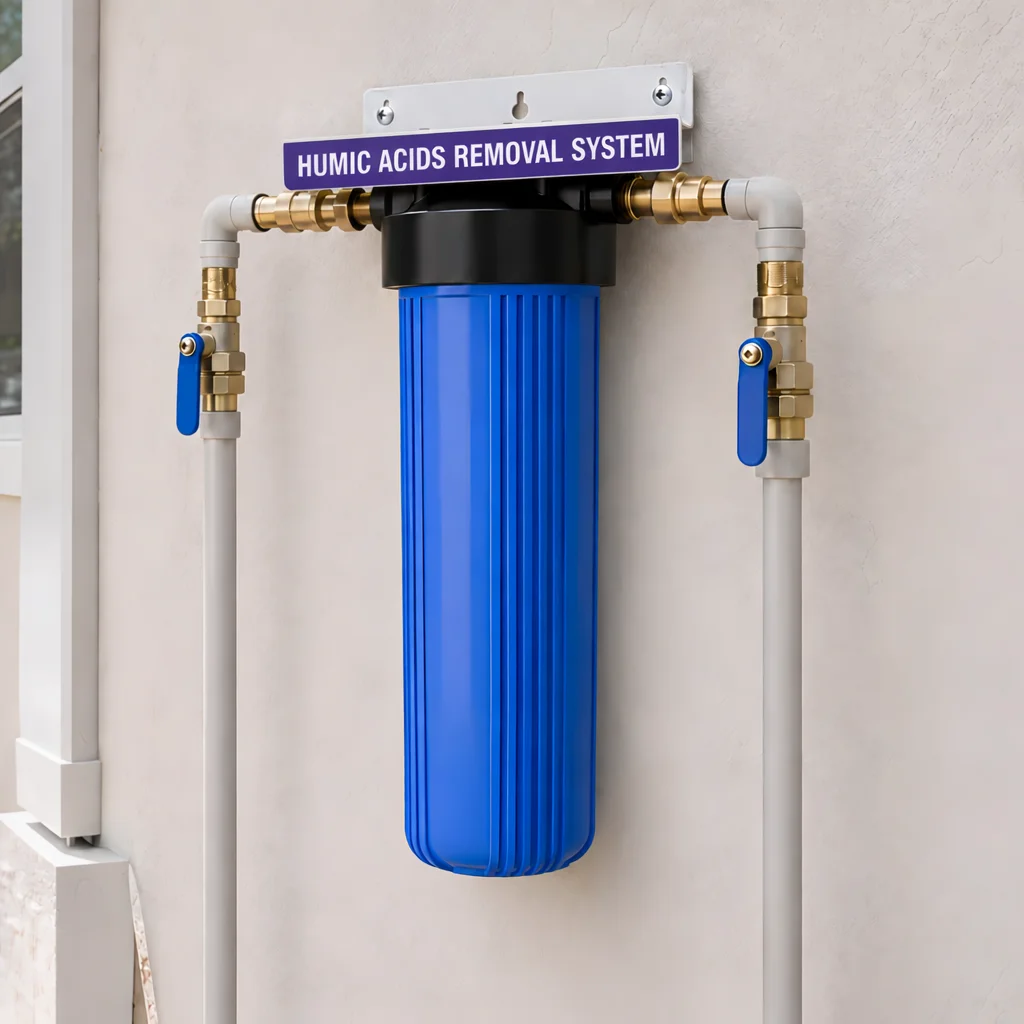
For point-of-entry treatment, a whole-house catalytic carbon filter is typically the most effective single-filter choice for homeowners. Catalytic carbon adsorbs many organic compounds, improving color, taste and odor associated with humic substances and fulvic acids. It also reduces chlorine, which can react with natural organic matter and worsen off-odors. Installed as one main tank, this system treats the full household flow—helpful in Imperial Point where moderate hardness and municipal supply characteristics are common.
Because humic acids and fulvic acids are dissolved natural organic matter, an effective system depends on proper media volume and contact time rather than simply having carbon in the line. A correctly sized catalytic carbon unit is designed for whole-house flow rates so water spends enough time in the bed for adsorption to work. That makes it a low-maintenance fix for bathing, laundry and cooking across Imperial Point; if water color is pronounced, a specialist can evaluate whether catalytic carbon alone is the best path or if supplemental treatment is advisable.
 954-208-3500
 info@bestwaterheater.com

