 Phone: 772-290-5223
 info@bestwaterheater.com
Phone: 772-290-5223
info@bestwaterheater.com
info@bestwaterheater.com
Phone: 772-290-5223
info@bestwaterheater.com
 Phone: 772-290-5223
info@bestwaterheater.com
Phone: 772-290-5223
info@bestwaterheater.com

Including filter system and high-performance Iron Bacteria filter.


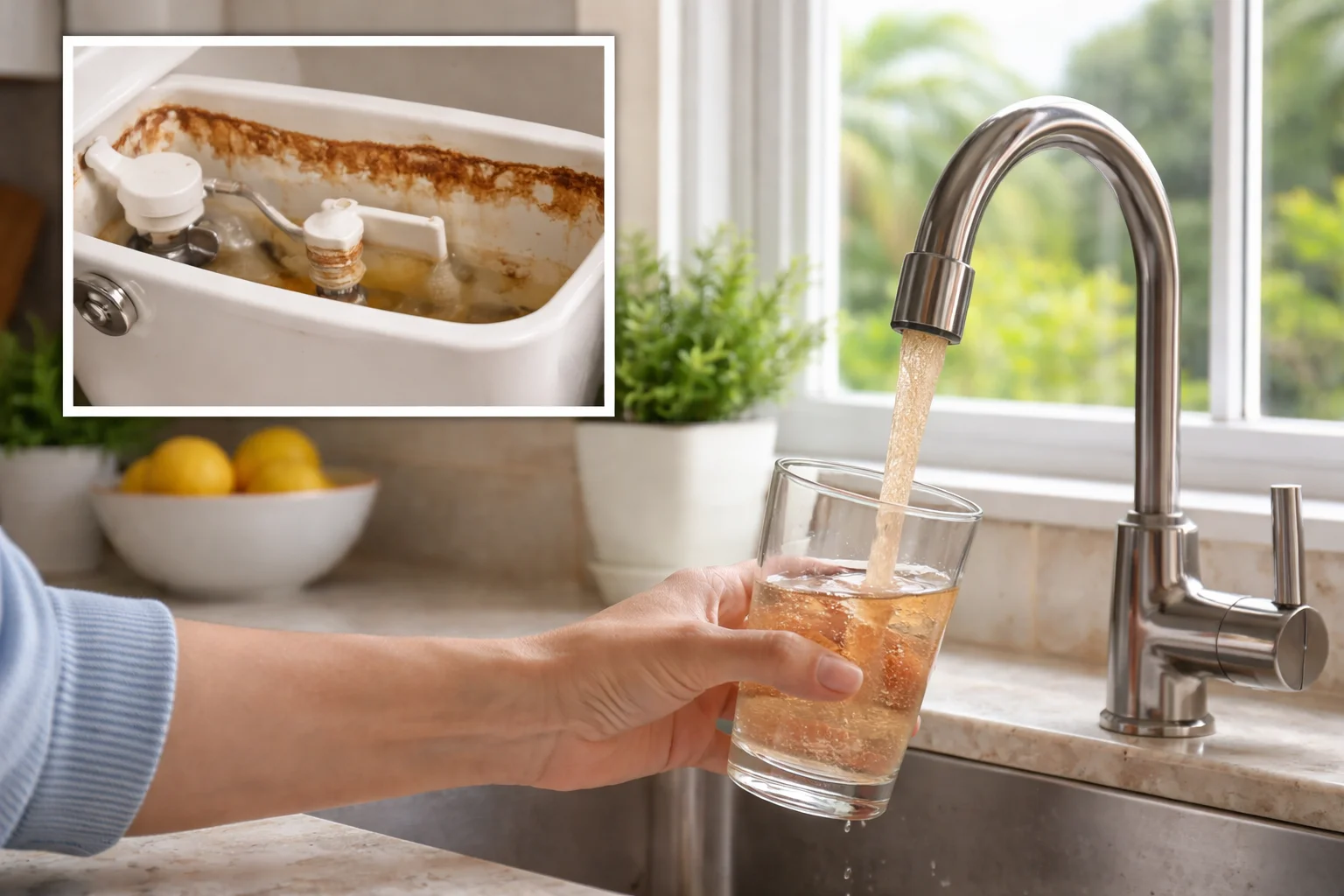
Iron bacteria are tiny organisms that feed on iron and can form slimy deposits inside plumbing and on fixtures. Homeowners in Placid Lakes often first spot rusty stains in tubs, sinks or toilets, an oily sheen on standing water, or small floating particles. A musty, swampy smell can also develop when water sits in pipes. Though different from dissolved iron, iron bacteria frequently occur alongside iron and make staining and odor problems harder to manage in hard groundwater used by many local wells.
These microbes thrive in well systems and can be introduced during service work or shifts in flow; once they take hold they cling to pipe walls, clog aerators and screens, and foul treatment equipment. In Highlands County homes around Placid Lakes the signs can mimic sediment or manganese issues, so testing your water first is helpful before selecting a remedy. Tackling iron bacteria early reduces repeat staining, keeps screens and fixtures clearer, and helps your whole-house plumbing run more reliably.
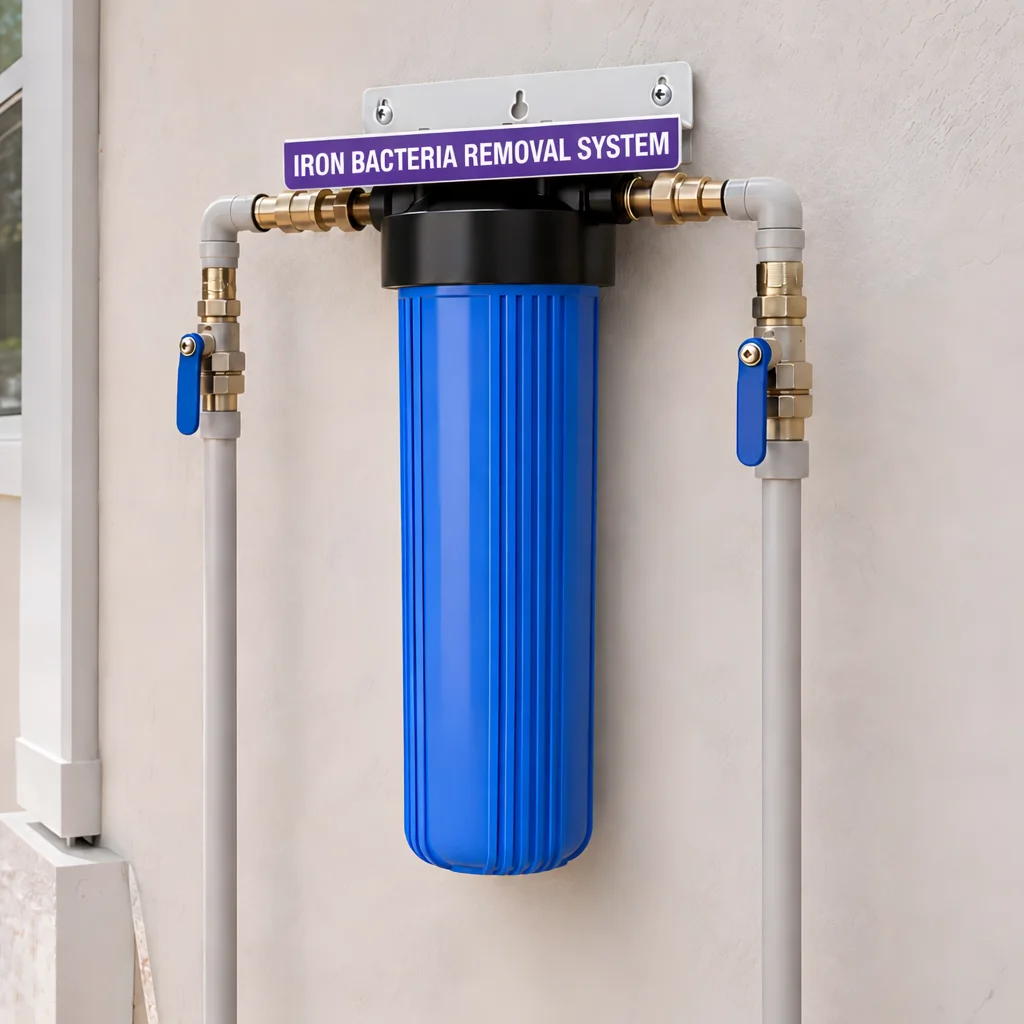
For iron bacteria, the most effective single filter-style option is an oxidizing backwashing filter built to handle iron and biological slime. Installed at the point of entry for the whole house, these systems oxidize troublesome material so it turns into particles the media can trap and then flush away during backwash. Because iron bacteria can form sticky clumps, a self-cleaning backwash cycle is essential to prevent the media from fouling, making this approach far more suitable than a standard cartridge filter for ongoing control.
At Mr. Pure Water we size oxidizing backwash systems to match Placid Lakes households so contact time and backwash strength meet your flow needs. In heavier bacterial conditions we may recommend pre-treatment or periodic sanitation in addition to the backwashing filter, but the oxidizing system remains the day-to-day workhorse. Treating water at the entry point protects faucets, showers and appliances from staining, odors and scale buildup common with hard groundwater, and choosing the right system depends on your water chemistry so it addresses root causes rather than masking symptoms.
 772-290-5223
 info@bestwaterheater.com

