 Phone: 305-404-8790
 info@bestwaterheater.com
Phone: 305-404-8790
info@bestwaterheater.com
info@bestwaterheater.com
Phone: 305-404-8790
info@bestwaterheater.com
 Phone: 305-404-8790
info@bestwaterheater.com
Phone: 305-404-8790
info@bestwaterheater.com

Including filter system and high-performance Iron filter.


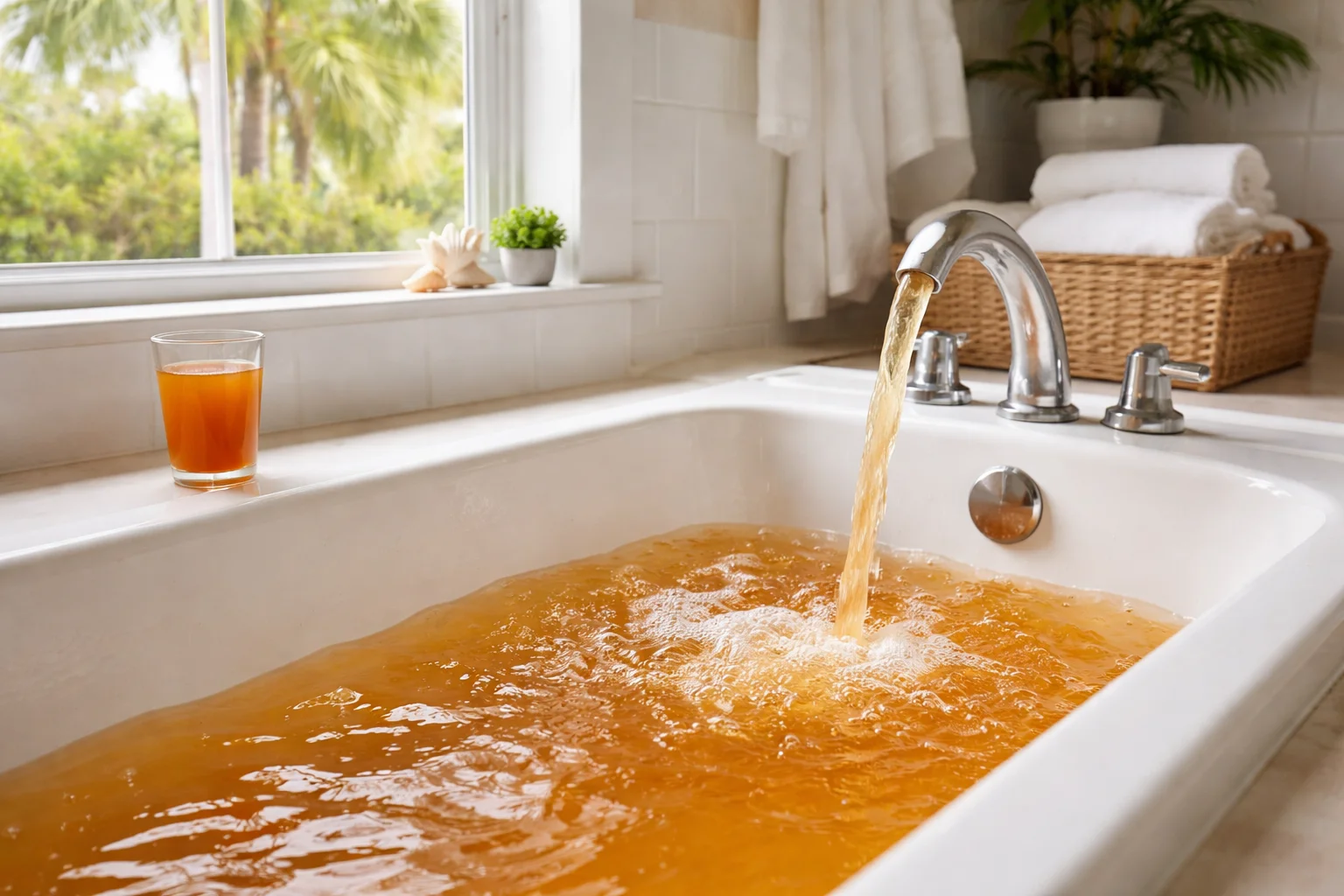
Iron in household water can be a persistent annoyance for Miami homeowners, even when it isn’t a direct health risk. Excess iron often causes reddish-brown stains on sinks, tubs and toilets, leaves a metallic flavor in drinking water, and can tint laundry with rust-colored marks. In a hard-water area like Miami‑Dade County, mineral deposits and iron together can speed up buildup on fixtures and appliances, making them harder to clean and maintain.
Iron appears in several forms, and how it shows up in your Miami home depends on which form is present. Dissolved ferrous iron can look clear at the tap but will oxidize to orange or brown when exposed to air or left sitting. Ferric iron is already oxidized and may show as visible particles or sediment in water. In some systems, iron reacts with other natural compounds to produce off‑odors that make showers and drinking water less pleasant for families across neighborhoods from Brickell to Coconut Grove.
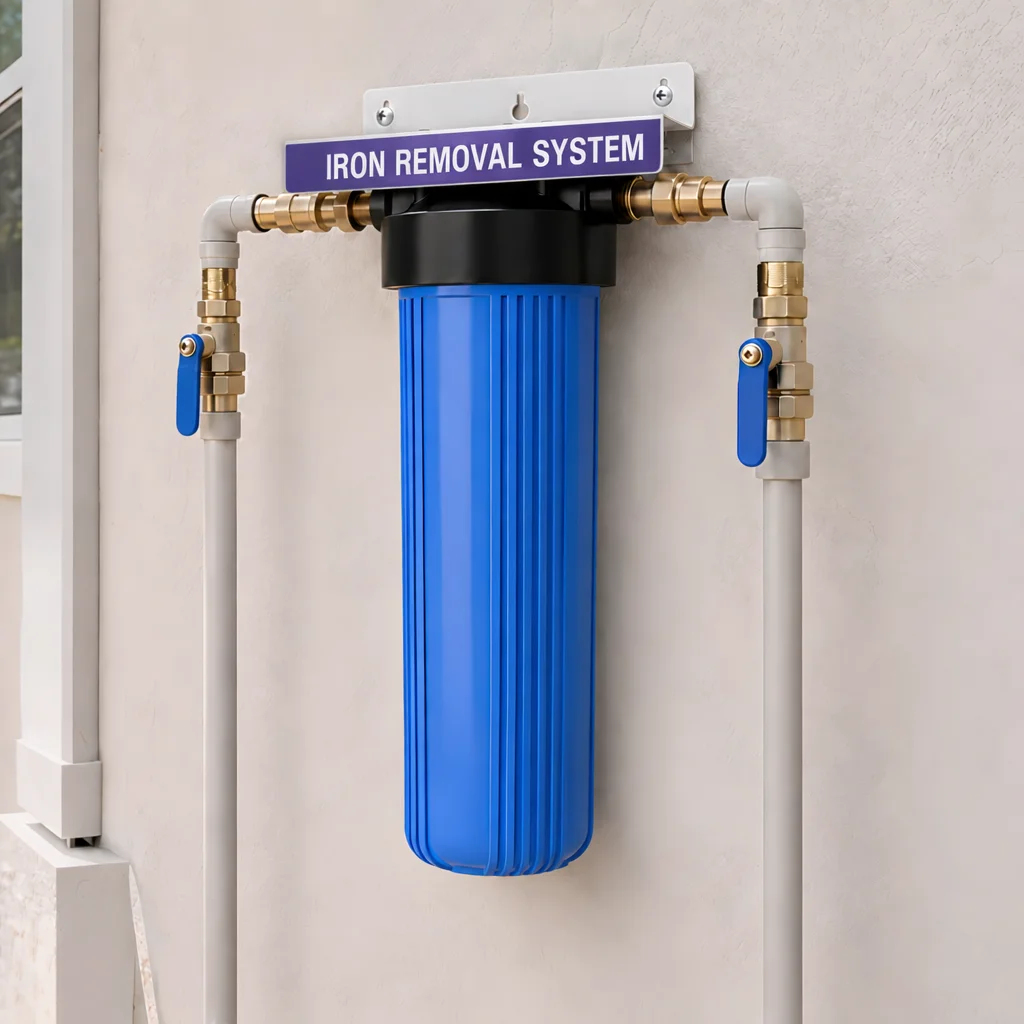
For most homes the most effective single whole-house solution is an oxidation plus filtration iron filter using catalytic media. That approach chemically converts dissolved ferrous iron into a solid form the media can trap, then filters out the particles as water passes through the tank. Installed at the point where supply enters your Miami home, it reduces staining and discoloration throughout the plumbing and helps protect fixtures and appliances from iron-related wear.
A catalytic iron filter is commonly paired with an automatic backwashing control valve so the media is periodically flushed and performance remains consistent. The self-cleaning backwash reduces the maintenance typical of cartridge-only systems and helps prevent clogging from accumulated iron or sediment. The ideal configuration depends on the iron form and any co‑occurring issues such as manganese or heavy sediment, but a properly sized whole-house system gives Miami residents cleaner water at every tap and fewer rust stains to deal with.
 305-404-8790
 info@bestwaterheater.com

