 Phone: 772-290-5223
 info@bestwaterheater.com
Phone: 772-290-5223
info@bestwaterheater.com
info@bestwaterheater.com
Phone: 772-290-5223
info@bestwaterheater.com
 Phone: 772-290-5223
info@bestwaterheater.com
Phone: 772-290-5223
info@bestwaterheater.com

Including filter system and high-performance Lindane filter.


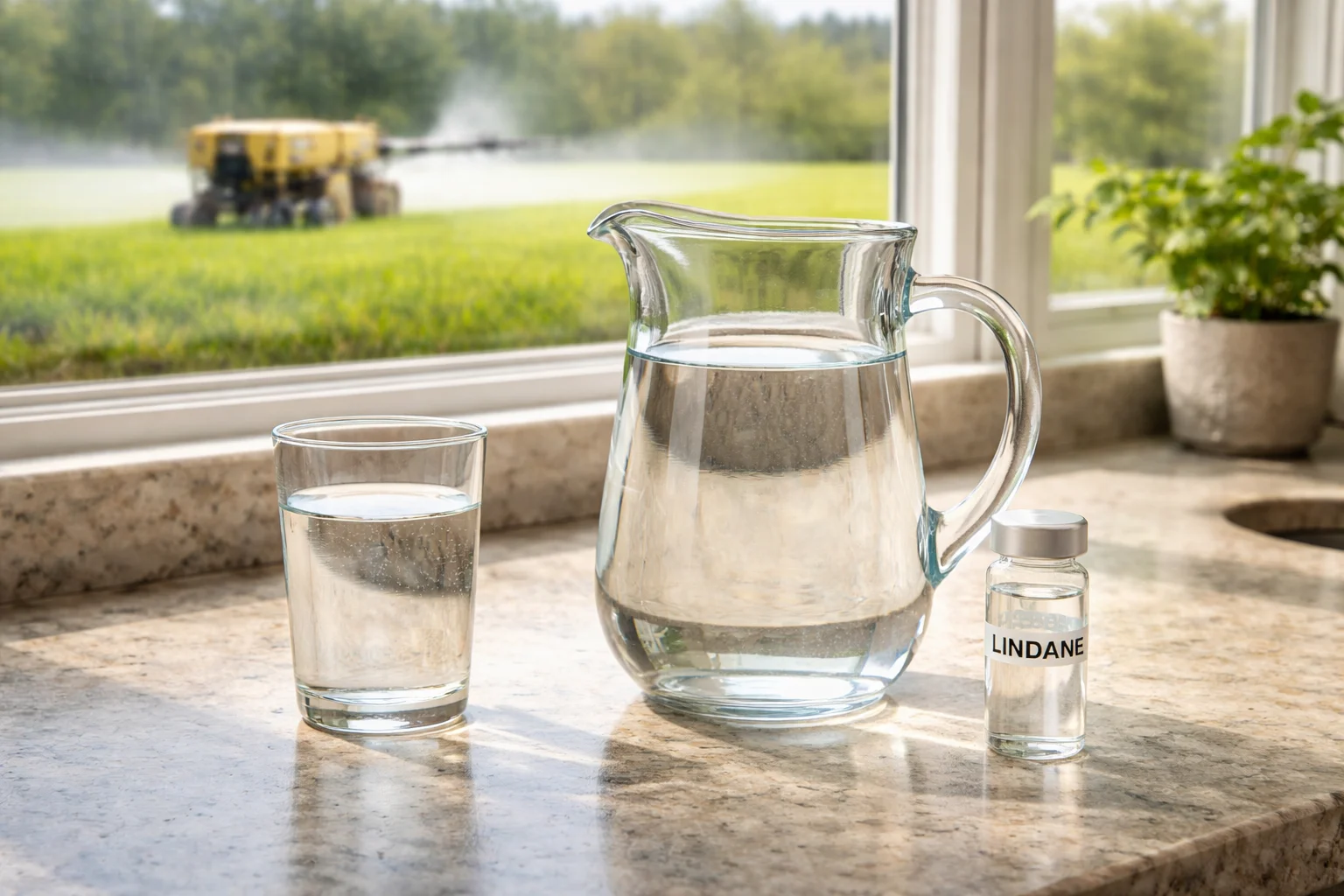
Lindane is a man-made insecticide that was also used in some pharmaceutical treatments. It can enter drinking water through old agricultural use, improper disposal, or runoff that carries lingering residues into groundwater and surface water. Because lindane breaks down slowly, trace amounts may remain long after the original source is gone. In Ortona, homeowners on municipal supplies or private wells most often discover it through lab testing, public notices, or simply by taking a proactive look at what’s in their water.
Clear water isn’t a reliable indicator that lindane isn’t present — this contaminant doesn’t consistently change taste, smell, or appearance at common concentrations. As an organochlorine, lindane behaves differently than minerals that cause moderate hardness in our area and won’t be removed by basic sediment or softening systems. Point-of-use devices treat single taps but can leave showers, laundry, and other fixtures unaddressed; for Ortona homes that want whole-house protection, a comprehensive filter is a better way to keep water consistent throughout the house.
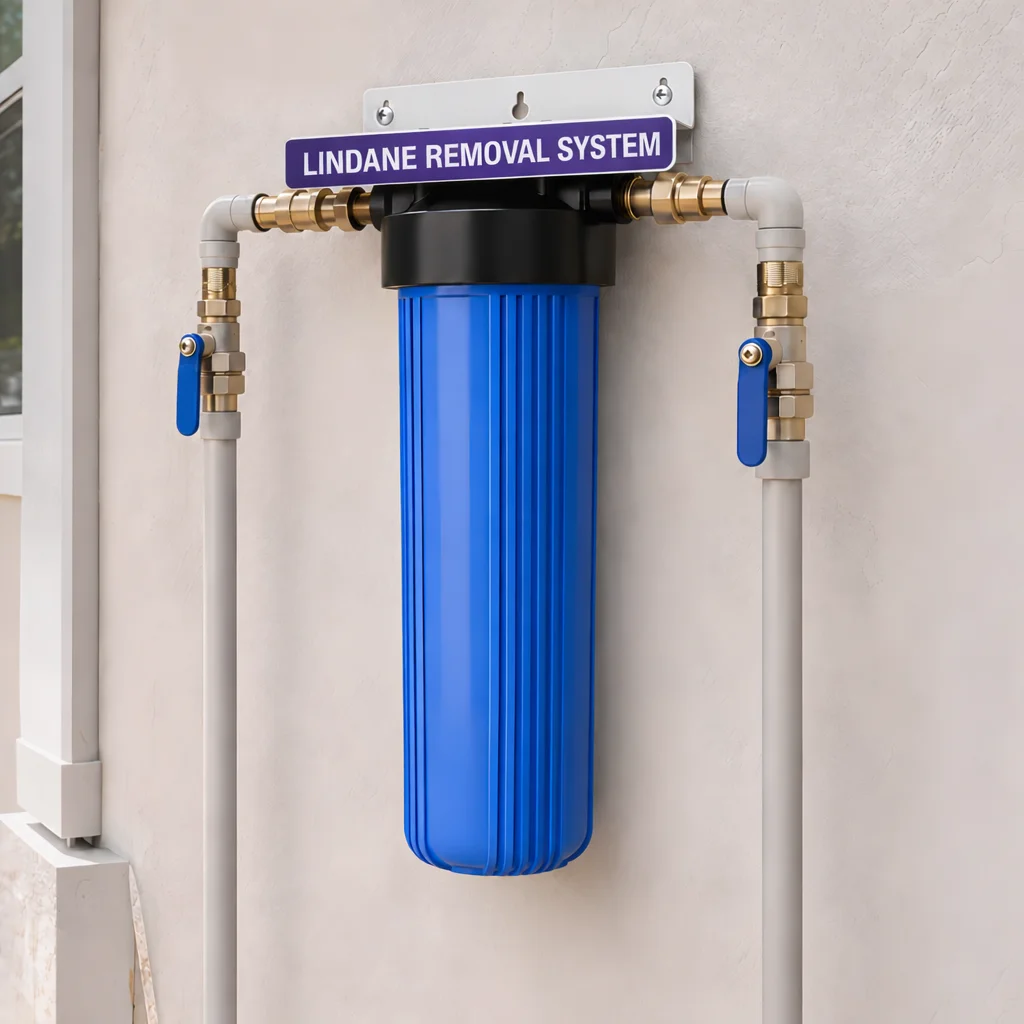
A whole-house activated carbon filter is generally the best single-filter choice for targeting lindane. Carbon works well for many organic chemicals by adsorbing contaminants onto its vast internal surface as water flows through. When sized and selected appropriately for your home’s flow needs — important in Volusia County houses with typical household demand — a carbon system can lower lindane at the kitchen, bathrooms, and laundry faucets. Proper media choice and adequate contact time are essential to maintain performance when multiple fixtures run.
Mr. Pure Water can design and install a whole-house activated carbon system tailored to Ortona homes, helping reduce lindane while improving water quality across every tap. Because the coastal, humid environment and municipal sources around Daytona Beach can contribute to corrosion and mineral carryover, carbon systems are commonly paired with sediment pretreatment to protect the media from grit, rust, and particles. Carbon has a limited adsorption capacity, so routine maintenance and timely media replacement keep the system working well — we’ll review your water test results and recommend the right carbon configuration for your property.
 772-290-5223
 info@bestwaterheater.com

