 Phone: 407-214-2646
 info@bestwaterheater.com
Phone: 407-214-2646
info@bestwaterheater.com
info@bestwaterheater.com
Phone: 407-214-2646
info@bestwaterheater.com
 Phone: 407-214-2646
info@bestwaterheater.com
Phone: 407-214-2646
info@bestwaterheater.com

Including filter system and high-performance Lithium filter.


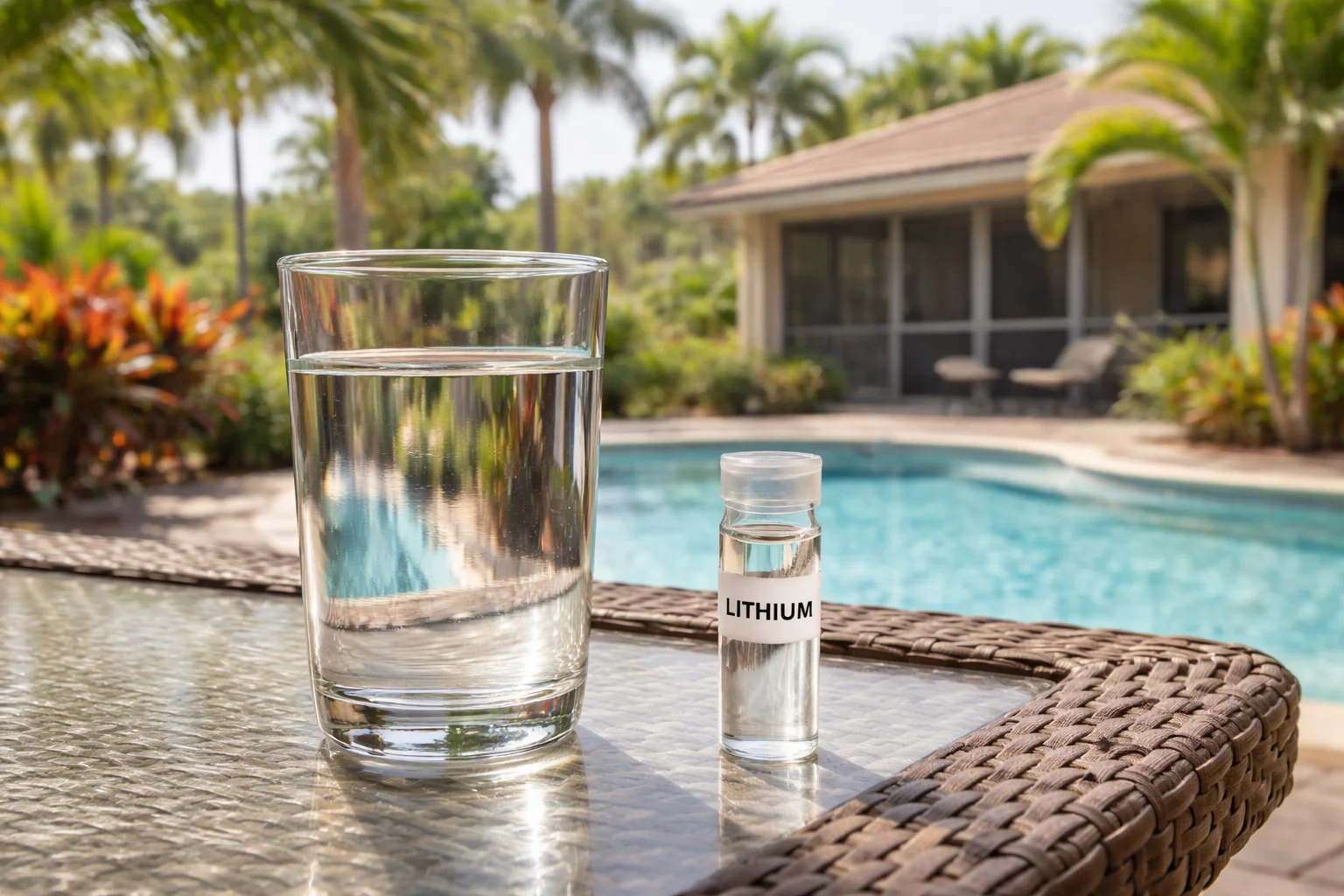
Lithium is a naturally occurring element that can dissolve from certain rocks and soils into groundwater or enter supplies through industrial and wastewater influences. Because it has no noticeable taste or odor at common concentrations, only laboratory testing can reliably reveal its presence. If you live in Bay Lake or the surrounding Orange County area and are worried about lithium in your water, start with an accurate water test so you can pick the right treatment for your home.
These days homeowners in the Bay Lake and Lake Buena Vista areas hear more about lithium in water quality discussions and reports, which is why many people ask about it. Unlike issues that cause staining, scale, or smell, lithium is typically invisible — your water can look and taste the same even when dissolved lithium is present. That makes testing important, and the encouraging news is there are proven treatment options that target dissolved minerals when you choose the correct technology.
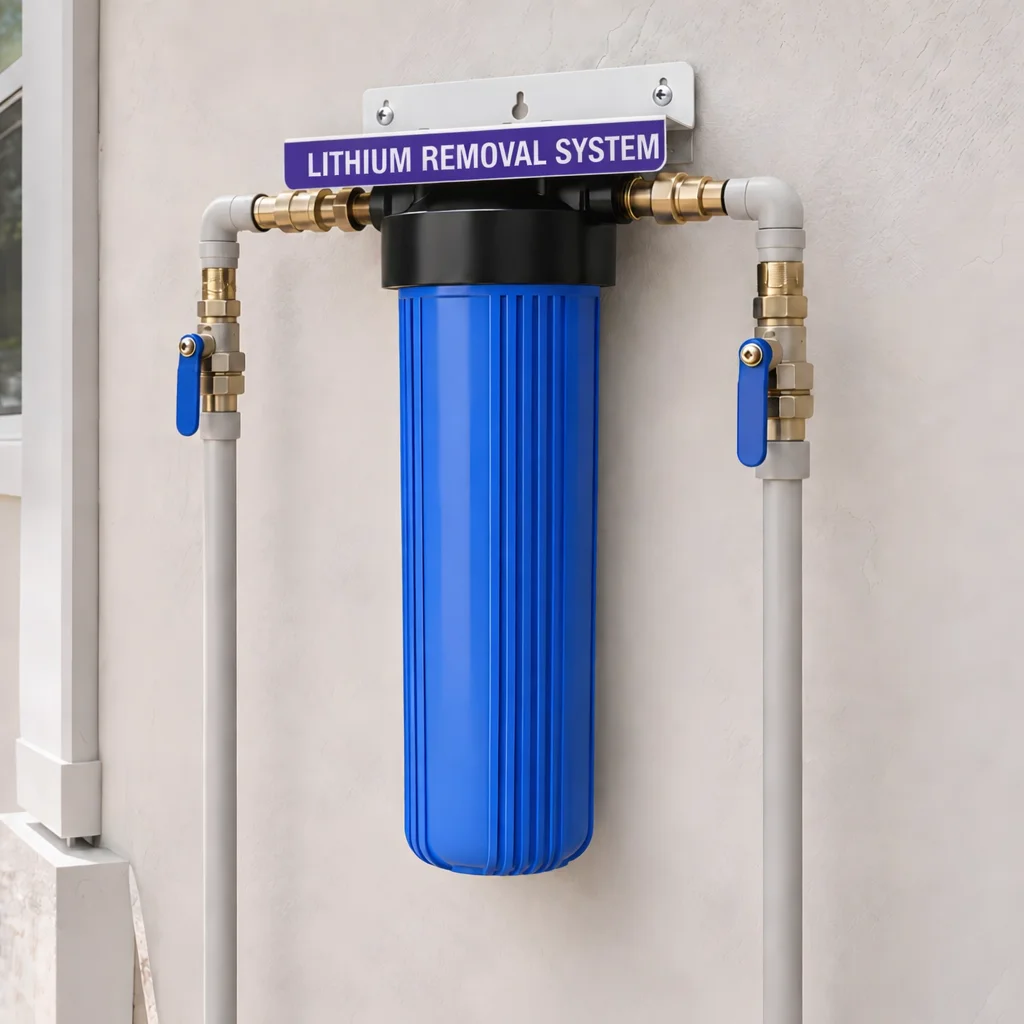
To reduce lithium throughout your Bay Lake home, the most effective single-filter whole-house option is a reverse osmosis system configured at the point of entry. RO uses a semipermeable membrane to reject many dissolved salts and small ions like lithium that standard carbon filters won’t reliably capture. Because lithium is dissolved, sediment filters or basic activated carbon alone are not sufficient; a whole-house RO system treats water before it reaches taps, showers and appliances in homes across the Orlando metro area.
A whole-house reverse osmosis installation requires prefiltration and a plan for rinse or concentrate water to protect the membrane and plumbing — it’s more than a simple cartridge swap. Many Bay Lake homeowners pair sediment filters to remove grit and carbon to reduce chlorine or chloramine, which can damage membranes, and schedule routine maintenance to keep the system performing. Mr. Pure Water can help you design a whole-house RO setup suited to Bay Lake properties and Central Florida’s moderate water hardness and humid-subtropical conditions, plus arrange follow-up testing to verify lithium reduction over time.
 407-214-2646
 info@bestwaterheater.com

