 Phone: 772-290-5223
 info@bestwaterheater.com
Phone: 772-290-5223
info@bestwaterheater.com
info@bestwaterheater.com
Phone: 772-290-5223
info@bestwaterheater.com
 Phone: 772-290-5223
info@bestwaterheater.com
Phone: 772-290-5223
info@bestwaterheater.com

Including filter system and high-performance Lithium filter.


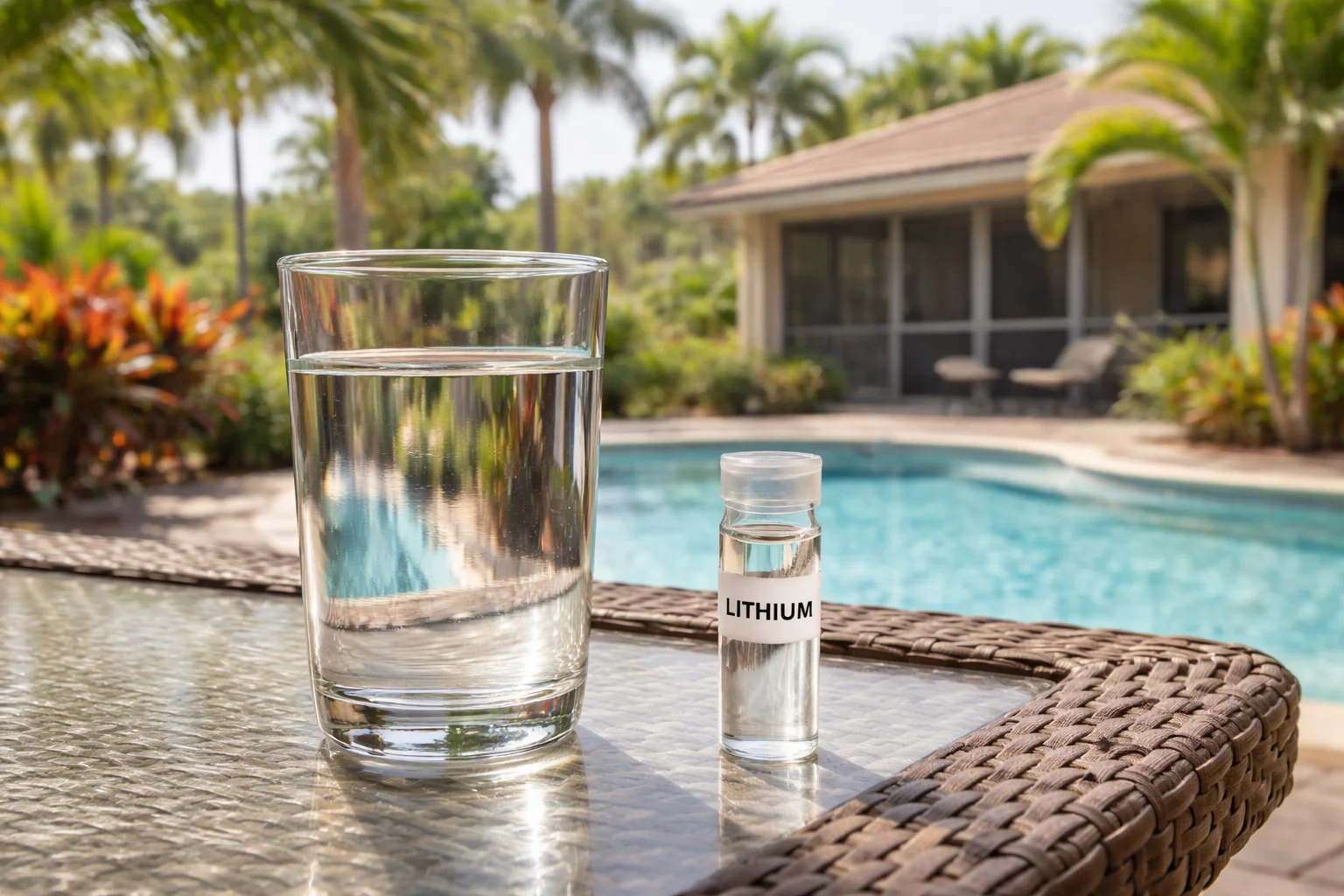
Lithium occurs naturally and can leach into groundwater from certain rocks and soils, potentially ending up in household water. It may also reach supplies through industrial discharges or wastewater influences depending on the source and treatment in your area. Because lithium is tasteless and odorless at common concentrations, testing is the only way LaBelle homeowners can know whether it’s present; starting with a reliable water test is the best first step toward selecting the right treatment.
People in LaBelle and nearby Hendry County have been asking more about lithium as water-quality conversations grow, but it’s usually an unseen concern — it won’t change color, smell, or cause obvious staining like other issues from hard, mineral-rich water. That invisibility means it can go unnoticed until test results reveal it. The encouraging part is that there are established treatment methods that effectively reduce dissolved minerals like lithium when the appropriate technology is chosen.
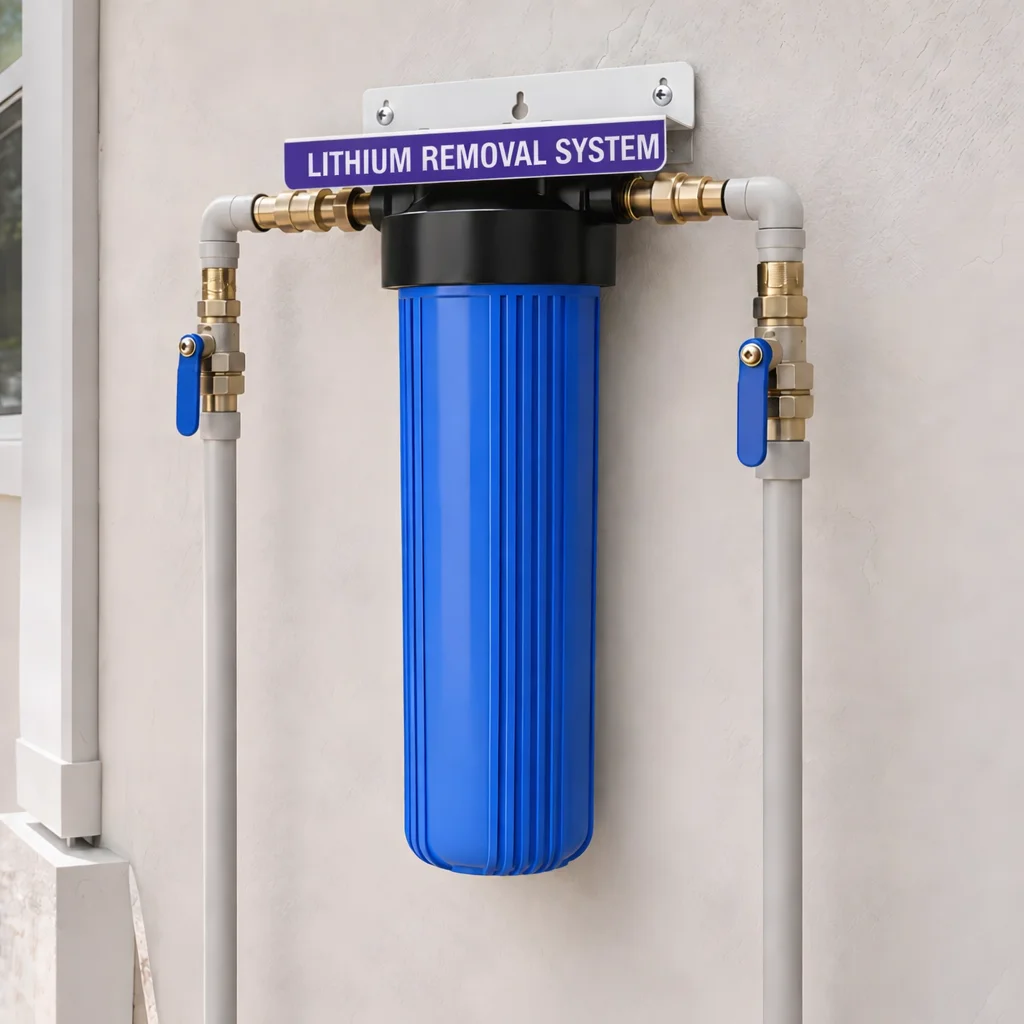
The most effective single-filter whole-house option for reducing lithium is a point-of-entry reverse osmosis system. RO works with a semipermeable membrane that rejects many dissolved salts and small ions such as lithium, which standard carbon filters typically don’t remove. Because LaBelle’s water is often mineral-rich and hard, dissolved lithium won’t be reliably trapped by sediment or basic activated carbon alone, so a whole-home RO set up before your taps, showers, and appliances is the recommended approach.
A whole-house reverse osmosis installation in LaBelle requires prefiltration and a plan for brine or rinse flow—this isn’t a simple cartridge swap. Homes commonly use sediment filters to protect the RO membrane and carbon filters to reduce chlorine or chloramine, which can shorten membrane life. Regular maintenance and occasional follow-up testing keep the system working as intended. Mr. Pure Water can help LaBelle homeowners pick a whole-house RO configuration matched to local water conditions, plumbing, and water-quality goals.
 772-290-5223
 info@bestwaterheater.com

