 Phone: 850-772-1365
 info@bestwaterheater.com
Phone: 850-772-1365
info@bestwaterheater.com
info@bestwaterheater.com
Phone: 850-772-1365
info@bestwaterheater.com
 Phone: 850-772-1365
info@bestwaterheater.com
Phone: 850-772-1365
info@bestwaterheater.com

Including filter system and high-performance Magnesium filter.


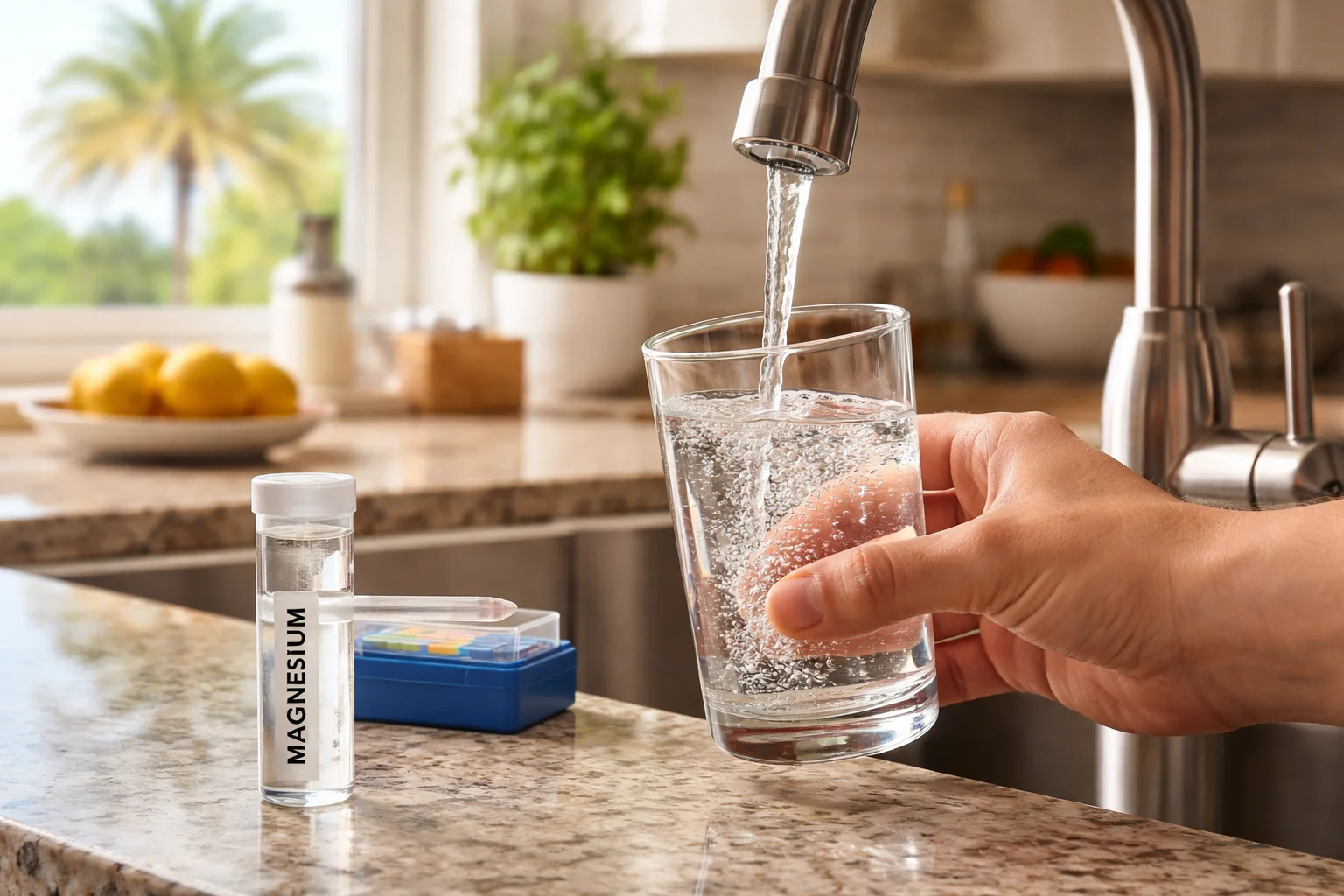
Magnesium is a common mineral that can dissolve into household water from local rock and soil. In small doses it’s normal, but higher concentrations change how water behaves around the house. Quincy homeowners often first spot the effects indirectly — water that seems “hard,” spots on fixtures, or soap that won’t lather — and because magnesium often travels with calcium it can be mistaken for other hardness minerals without testing.
You can’t always taste or smell unhealthy magnesium levels, and its effects usually show up in everyday tasks rather than a single glass. Mineral-heavy water contributes to scale forming in water heaters, plumbing, and appliances over time, and can leave stubborn residue on dishes, shower doors, and faucets. A simple water test is the easiest way for a Quincy homeowner to see whether magnesium is a meaningful part of your home’s hardness profile.
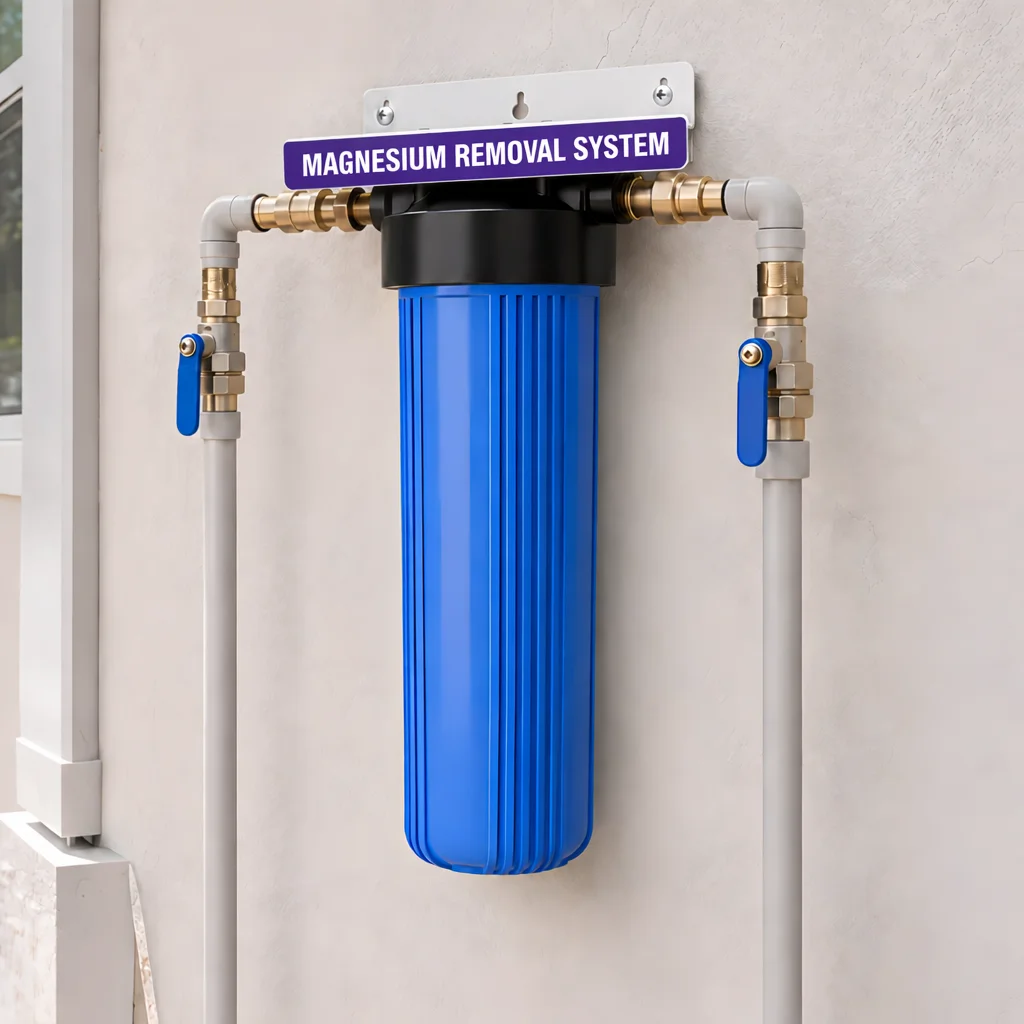
The most effective single-filter solution at the point of entry is a whole-house water softener that uses ion exchange. These systems reduce hardness minerals like magnesium by exchanging them for sodium or potassium ions as water moves through the resin bed. Installed where water enters your Quincy home, an ion exchange softener helps prevent scale at the source so showers, sinks, and appliances stay cleaner and perform better.
Choosing a properly sized ion exchange softener depends on your water hardness, family size, and usage, then it’s installed to protect every tap in the house. The resin is periodically regenerated to keep magnesium removal consistent, avoiding the gradual drop-off seen with some media-only filters. If your main concern is lowering magnesium rather than taste or odor, an ion exchange whole-house softener is often the best match — and Mr. Pure Water can test your Quincy water and recommend the right system for steady results.
 850-772-1365
 info@bestwaterheater.com

