 Phone: 561-300-5075
 info@bestwaterheater.com
Phone: 561-300-5075
info@bestwaterheater.com
info@bestwaterheater.com
Phone: 561-300-5075
info@bestwaterheater.com
 Phone: 561-300-5075
info@bestwaterheater.com
Phone: 561-300-5075
info@bestwaterheater.com

Including filter system and high-performance Methoxychlor filter.


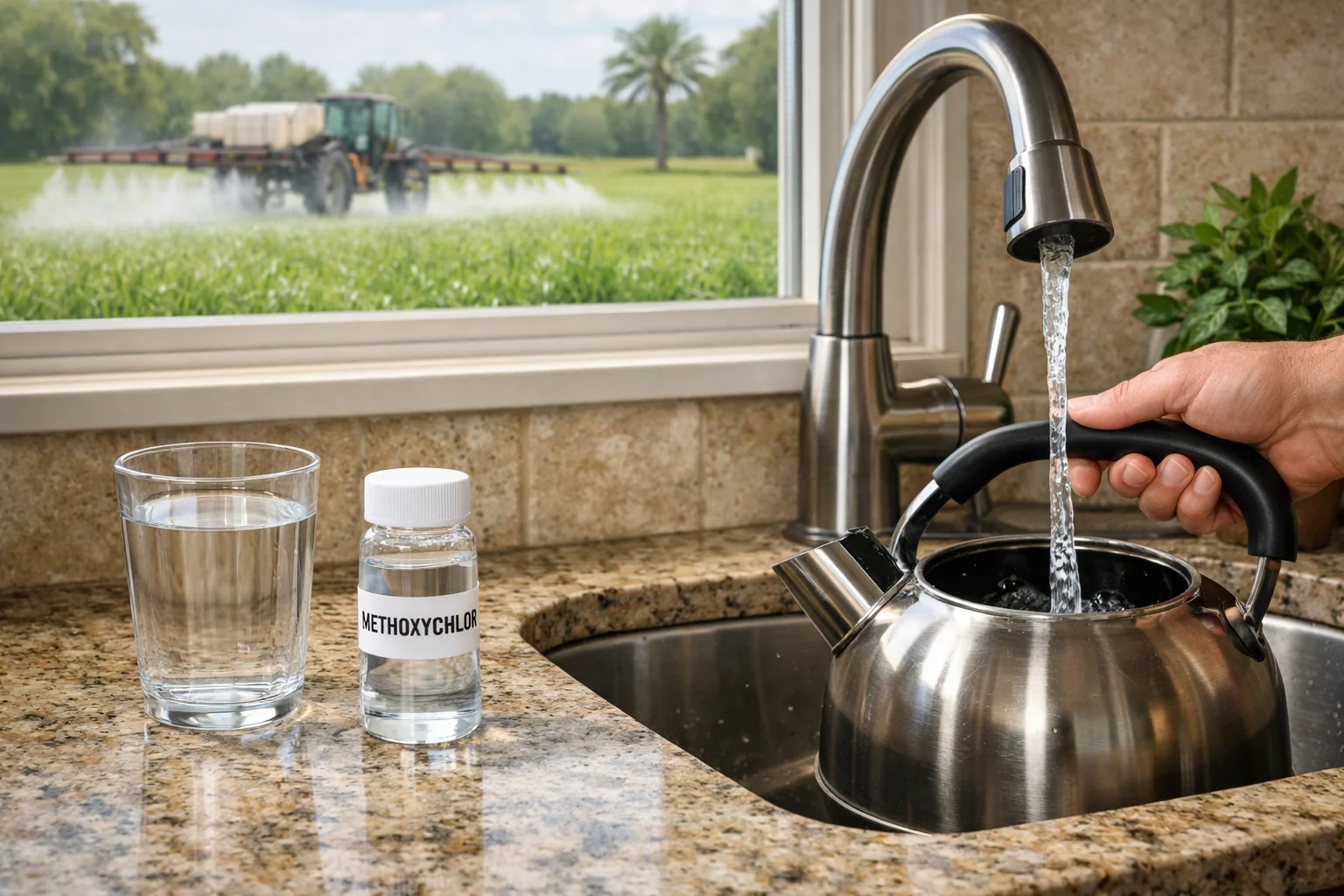
Methoxychlor is a man-made pesticide that can persist in soils and sediments and occasionally turn up in drinking water sources over time. Even where its use has been limited, runoff and particles can carry residues into wells or surface supplies, which is why many Belle Glade and Western Palm Beach County homeowners take a preventive approach. Treating water at the entry point helps stop contaminants from reaching plumbing and everyday uses inside the house.
Pesticide-related contaminants like methoxychlor often don’t alter taste, smell, or color, so you wouldn’t necessarily notice them without testing. If a water test for your Belle Glade home shows methoxychlor, treating the point where water enters the house is the best way to reduce exposure not just at the kitchen tap but also in showers, laundry, and every fixture. Whole-house systems are chosen to match your household flow rate and size so you get consistent reduction across the home.
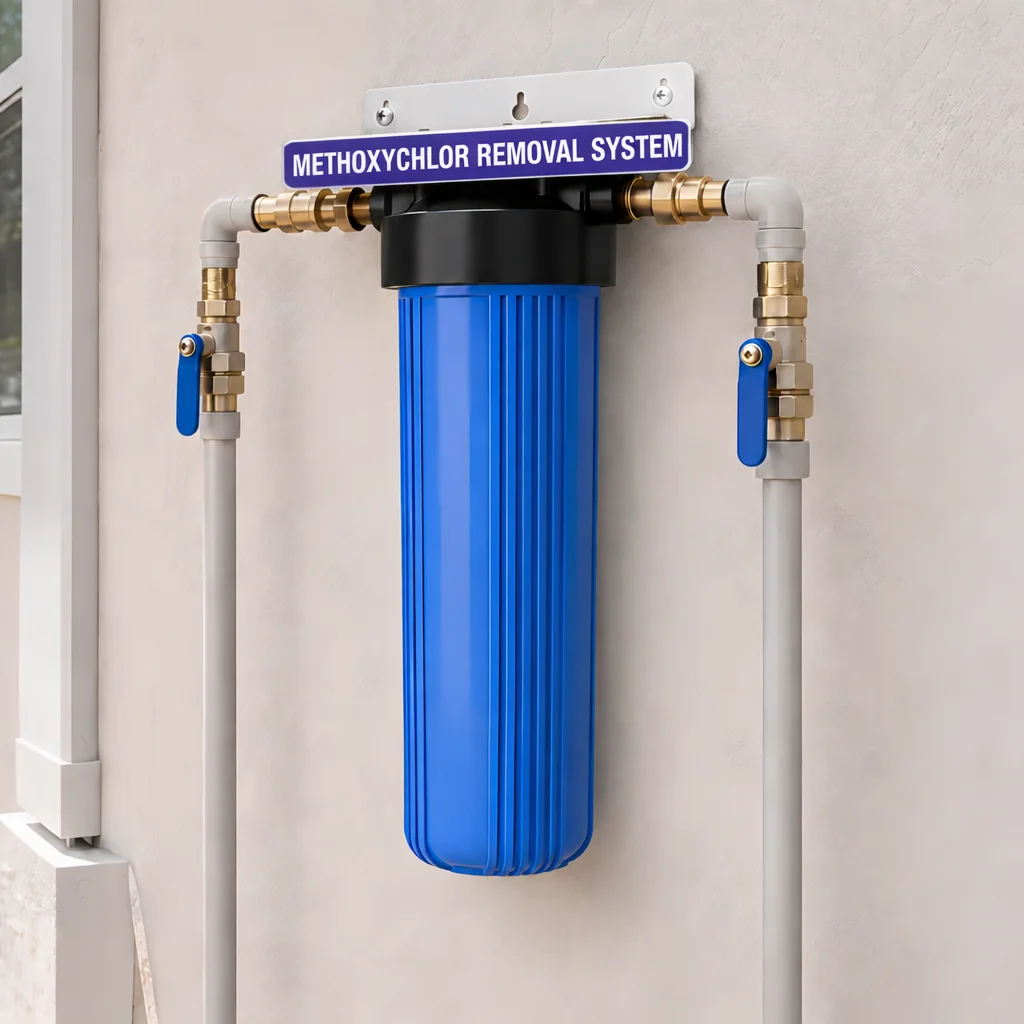
For methoxychlor, the single most effective whole-house filter choice is a quality activated carbon system. Because methoxychlor is an organic compound, granulated or catalytic activated carbon removes it by adsorbing the molecules as water flows through the media. In Belle Glade, where groundwater tends to be hard and household demand can vary, the important factors are sufficient carbon contact time and tank capacity so the system maintains performance under normal use. Installed after the main shutoff, a correctly sized carbon tank treats water for every fixture in the home.
Mr. Pure Water will size a whole-house activated carbon system for your Belle Glade plumbing and usage patterns so you keep good flow while maximizing contaminant removal. Carbon media becomes saturated and must be replaced on a schedule, so we include maintenance planning to preserve long-term effectiveness. If your supply shows sediment—common in the Lake Okeechobee area—a prefilter ahead of the carbon protects the media from clogging, while the activated carbon remains the primary stage for methoxychlor reduction.
 561-300-5075
 info@bestwaterheater.com

