 Phone: 772-290-5223
 info@bestwaterheater.com
Phone: 772-290-5223
info@bestwaterheater.com
info@bestwaterheater.com
Phone: 772-290-5223
info@bestwaterheater.com
 Phone: 772-290-5223
info@bestwaterheater.com
Phone: 772-290-5223
info@bestwaterheater.com

Including filter system and high-performance Methoxychlor filter.


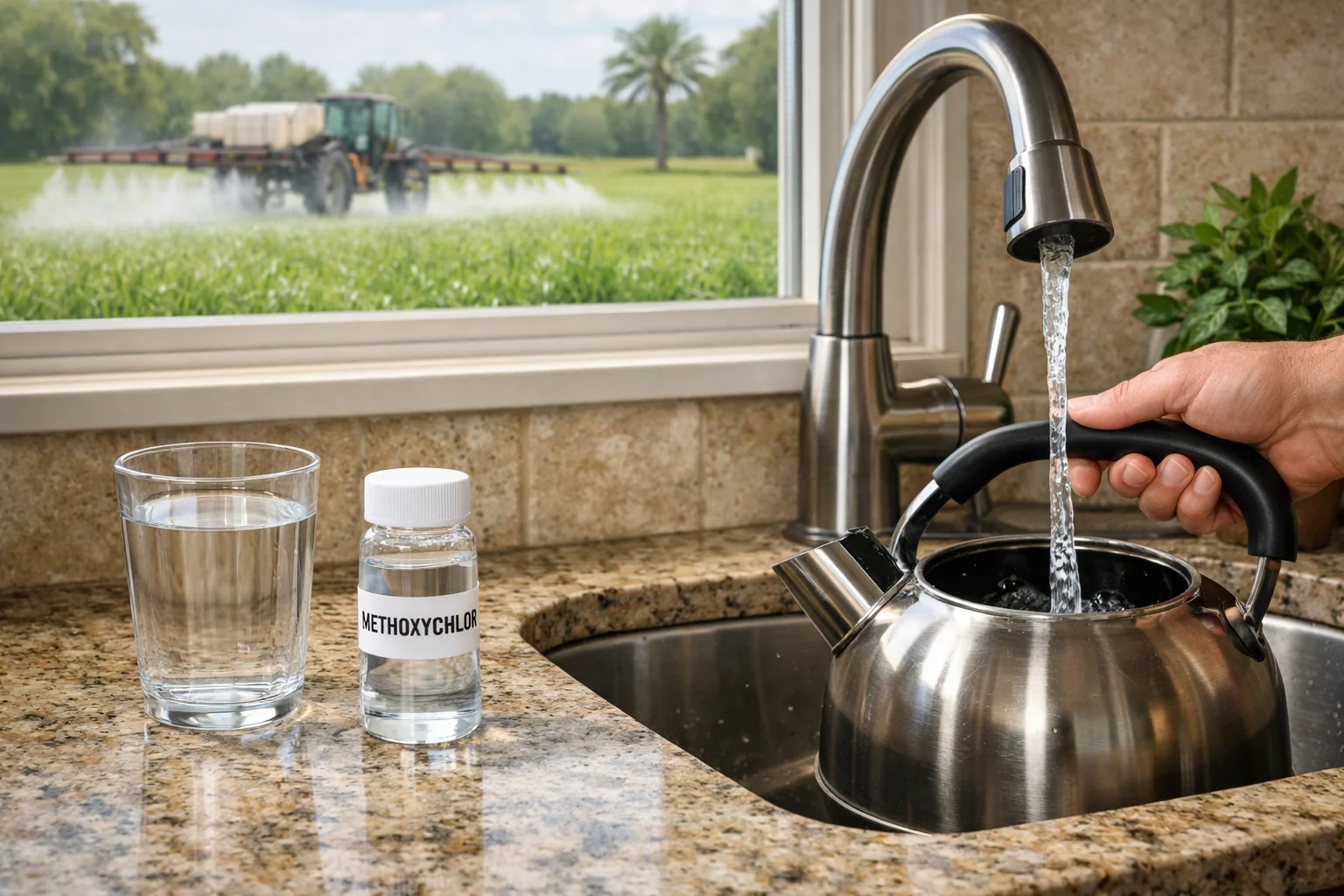
Methoxychlor is a man-made pesticide that can persist in soils and sediments and eventually travel into drinking water through runoff or attached particles. Even where its use has declined, remnants in the environment can pose a risk to wells or surface sources over time. In the Lorida and Lake Placid area many residences use private wells, so homeowners often choose to address potential methoxychlor at the point where water enters the house to limit ongoing exposure.
Pesticide-related contaminants like methoxychlor often don’t change how water tastes, smells, or looks, so many Lorida homeowners won’t spot them without testing. If a lab report flags methoxychlor for your property, treating the water where it enters the house—rather than only at a single tap—reduces exposure in showers, laundry and every faucet. The right whole-house system is sized to your home’s flow rate and daily use so it delivers steady reduction without disrupting household water needs.
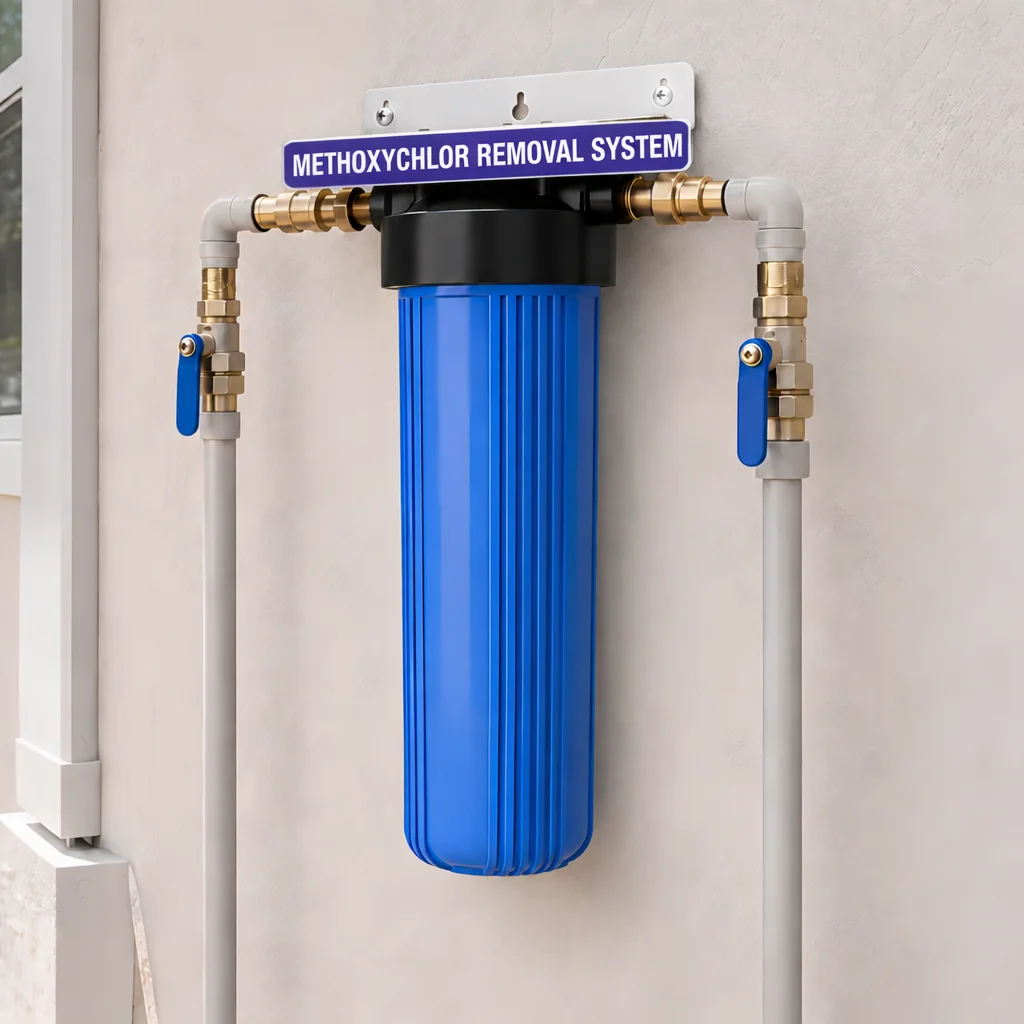
For removing methoxychlor from household water, a high-quality activated carbon filter is generally the best single-filter option for whole-house use. Because methoxychlor is an organic compound, carbon media adsorbs organic contaminants as water passes through the tank. In a whole-house configuration it’s important to have sufficient carbon contact time and enough media capacity so the system maintains performance during normal family water demands, and a correctly sized carbon tank installed after the main shutoff will treat every fixture in the home.
Mr. Pure Water can recommend and size an activated carbon whole-house system to suit Lorida plumbing and your household water use so it treats effectively without throttling flow. Carbon media eventually becomes saturated and needs scheduled replacement, so we include maintenance planning to keep reduction consistent. Because homes in the Lorida/Lake Placid area often have hard water and higher mineral content, a simple sediment prefilter can protect the carbon bed from clogging; the activated carbon stage remains the primary barrier for methoxychlor removal.
 772-290-5223
 info@bestwaterheater.com

