 Phone: 321-400-9302
 info@bestwaterheater.com
Phone: 321-400-9302
info@bestwaterheater.com
info@bestwaterheater.com
Phone: 321-400-9302
info@bestwaterheater.com
 Phone: 321-400-9302
info@bestwaterheater.com
Phone: 321-400-9302
info@bestwaterheater.com

Including filter system and high-performance Methoxychlor filter.


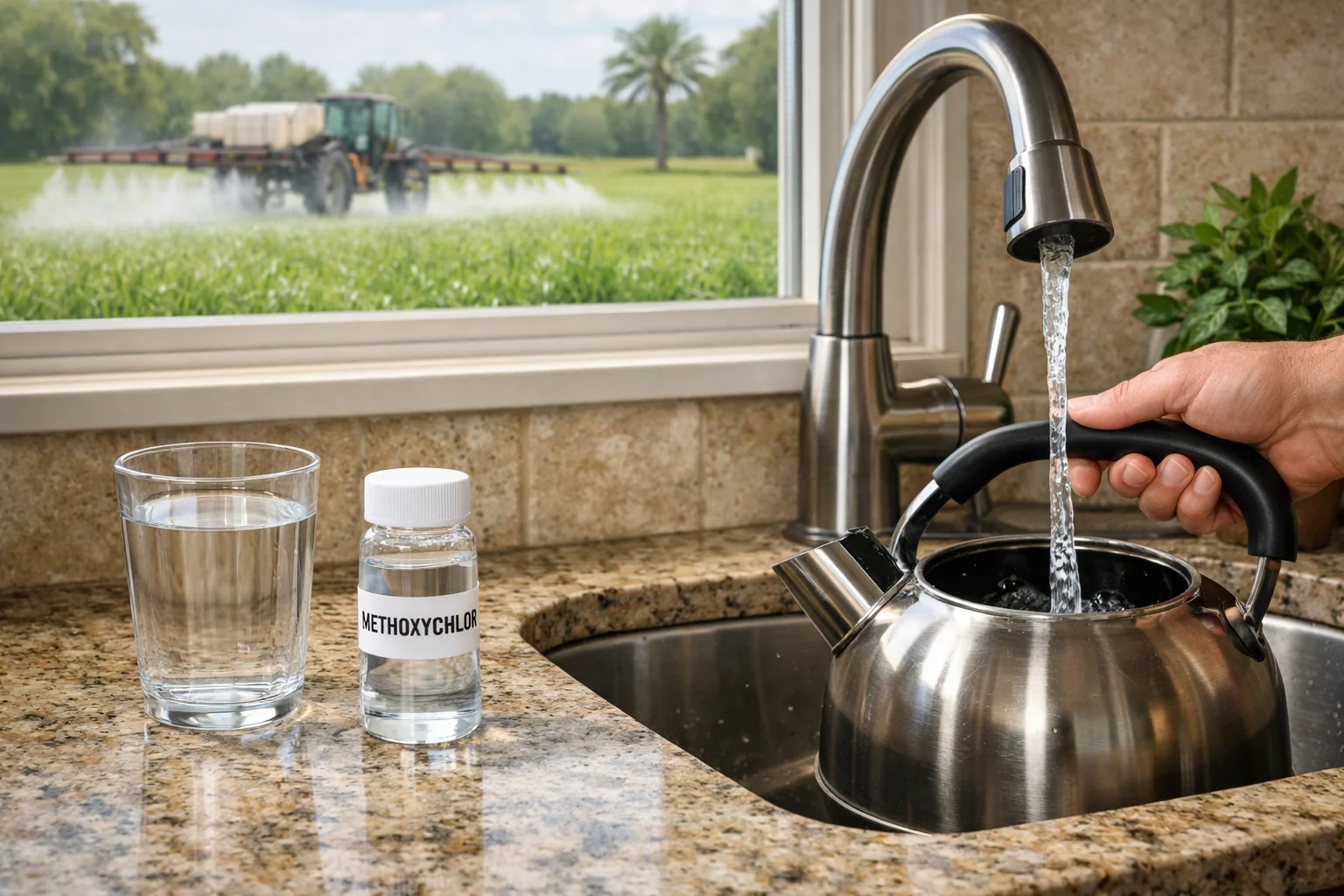
Methoxychlor is a man-made pesticide that can persist in the environment and occasionally enter drinking water through runoff or from soils where it was used. Even with restricted use, residues can remain attached to sediment or travel into wells and surface-water sources over time. Many Merritt Island homeowners choose to treat water at the point it enters their property so the whole house — whether in North Merritt Island, Courtenay, or South Merritt Island — has protection from any trace organics that may be present.
Pesticide-related contaminants often don’t give obvious clues like taste, smell, or discoloration, so methoxychlor can go unnoticed without testing. If your Merritt Island water report flags methoxychlor, treating the main service line protects everyone in the house — from kitchen taps to showers and laundry. A whole-house system sized to your flow and household needs delivers steady reduction across all fixtures, which is especially helpful for homes drawing from municipal supply or private wells here in Brevard County.
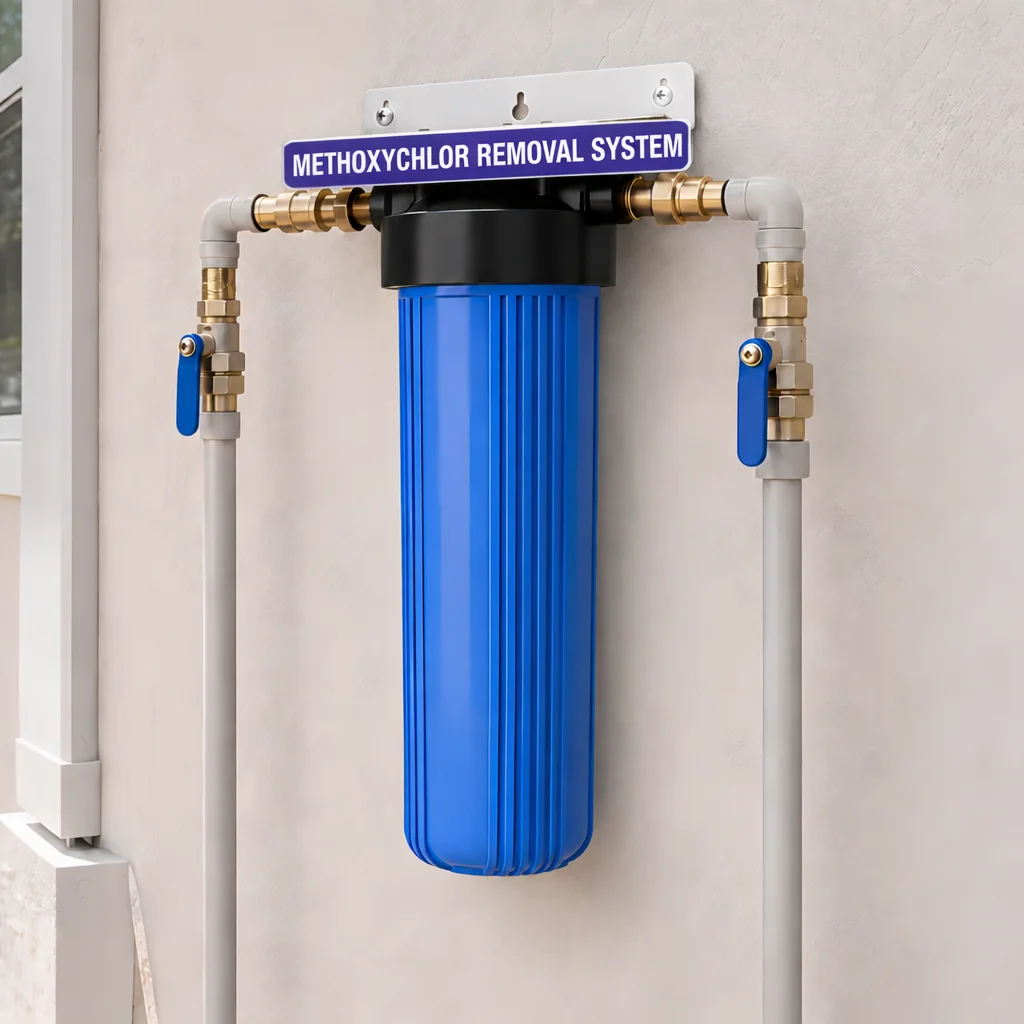
For methoxychlor, an activated carbon filter is generally the best single-filter choice for whole-house treatment. Because methoxychlor is an organic compound, carbon media adsorbs these molecules as water flows through the tank. On Merritt Island — where moderate hardness and coastal influences can affect water characteristics — it’s important the carbon tank provides sufficient contact time and media capacity so performance remains steady during normal household demand. Installed after the main shutoff, a correctly sized carbon system treats water to every faucet and fixture.
Mr. Pure Water can design and size a whole-house activated carbon system to fit Merritt Island homes and local plumbing layouts, protecting flow while reducing contaminants. Carbon media does require periodic replacement as it becomes saturated, so we include maintenance planning to keep long-term performance reliable. If your supply carries sediment or higher mineral content from coastal wells, adding a simple prefilter will shield the carbon bed from clogging, while the activated carbon stage remains the primary method for methoxychlor reduction.
 321-400-9302
 info@bestwaterheater.com

