 Phone: 850-772-1365
 info@bestwaterheater.com
Phone: 850-772-1365
info@bestwaterheater.com
info@bestwaterheater.com
Phone: 850-772-1365
info@bestwaterheater.com
 Phone: 850-772-1365
info@bestwaterheater.com
Phone: 850-772-1365
info@bestwaterheater.com

Including filter system and high-performance Microplastics filter.


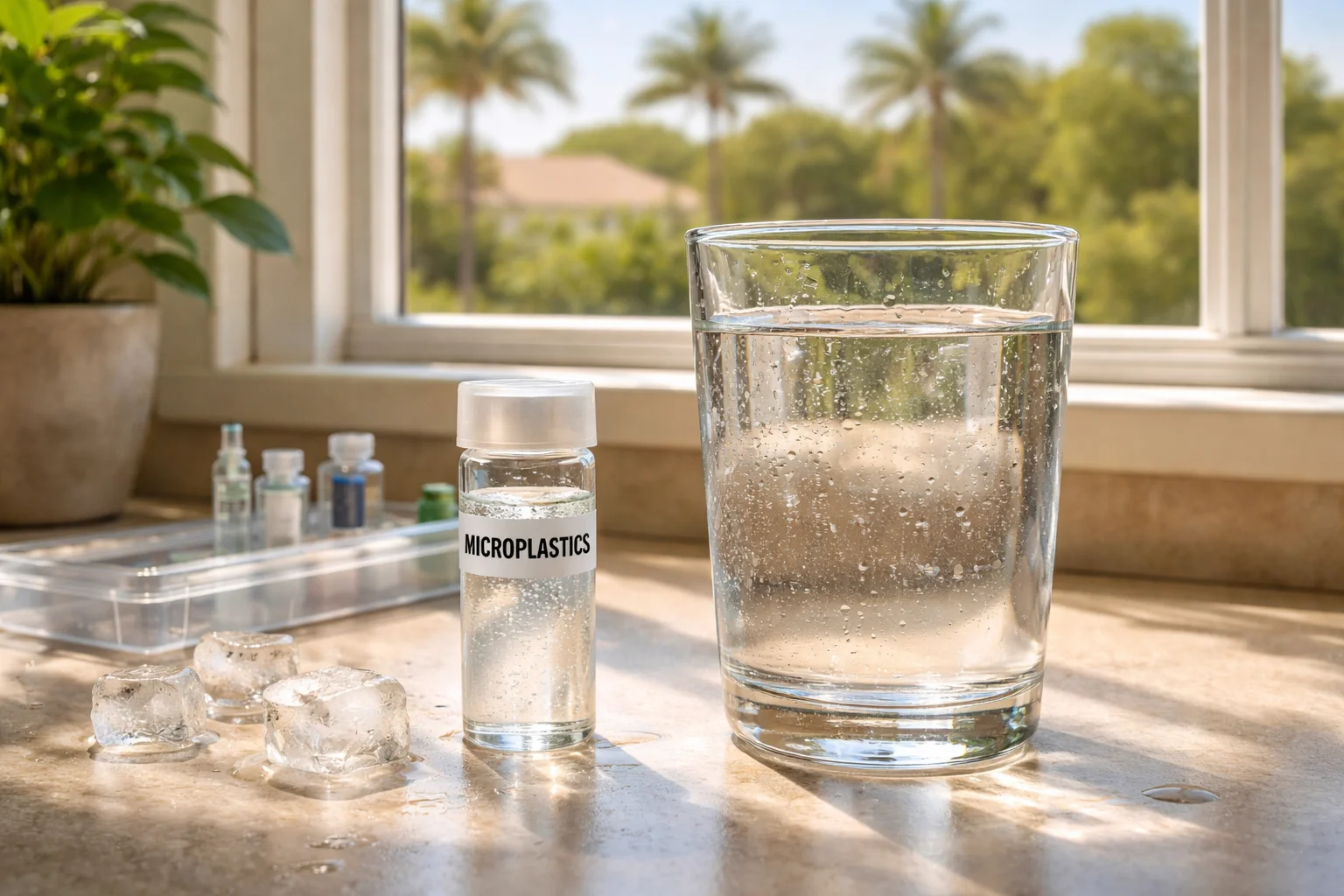
Microplastics are tiny fragments of plastic that can enter household water from the breakdown of larger items, shed fibers from synthetic clothing, and everyday wear of packaging and consumer goods. Because these particles are so small, they often don’t affect taste or odor and can be easy to miss. Many Four Mile Village homeowners choose whole-house filtration for added confidence about what comes from every faucet.
Even if your tap water in Four Mile Village looks clear, tiny microplastics can still be suspended as fine particles. They also travel with sediment and debris when source conditions change or plumbing work disturbs pipes. Because microplastics come in many sizes and shapes, treatment should focus on physically removing particles instead of just masking tastes or odors. A whole-house filter protects every use — drinking, cooking, bathing and laundry — so your family sees cleaner water at every tap.
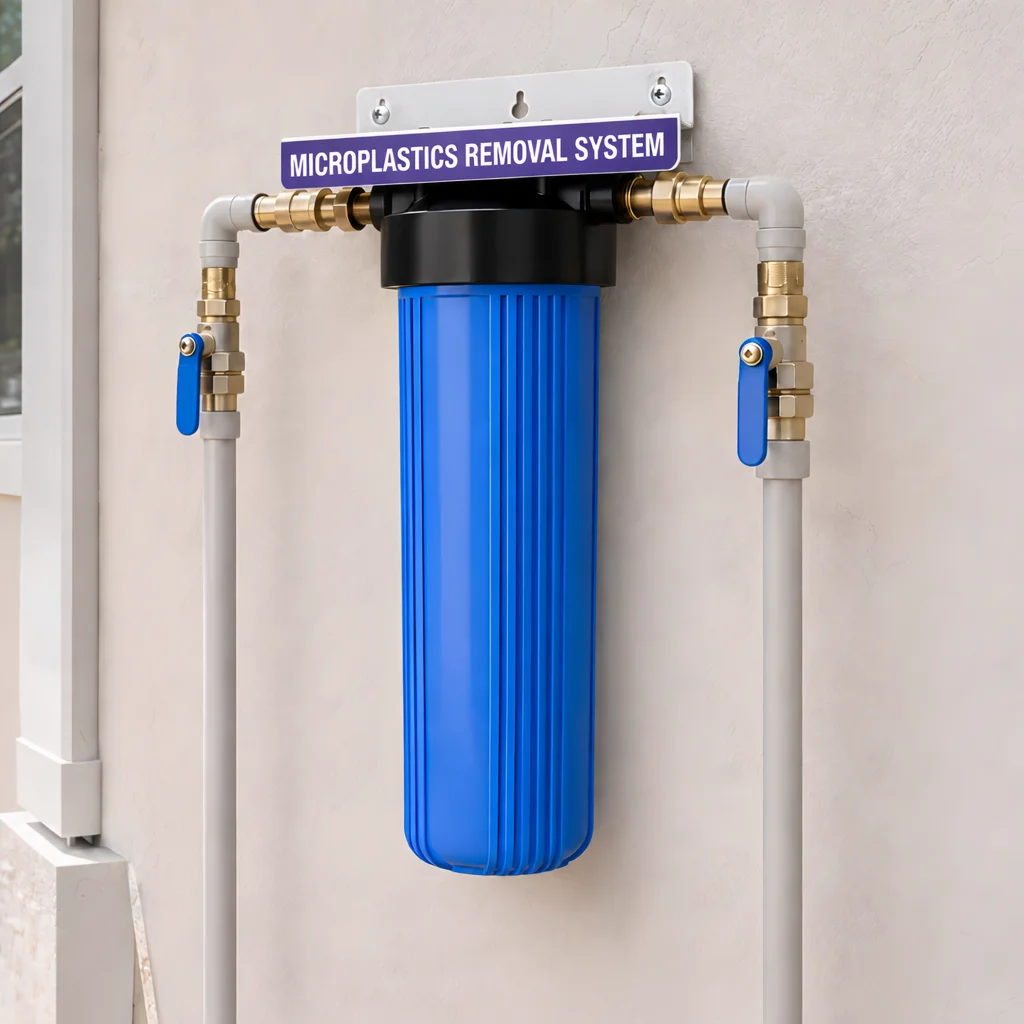
For removing microplastics in Four Mile Village homes, a whole-house sediment filter with a fine micron rating is often the best single-filter option: it mechanically strains particles from the flow. As city or well water passes through the cartridge, the media traps suspended solids and keeps more particulate matter out of faucets, showers and appliances. This particle-focused design matches how microplastics behave, and correctly sizing the filter for your home’s flow helps maintain steady water pressure while extending filtration throughout the house.
Actual performance depends on picking the right micron rating and a sediment cartridge built for high flow and strong dirt-holding capacity. A finer micron captures smaller fragments, while a higher-capacity element reduces replacement frequency. Because microplastics often arrive with sand, silt and other sediment, adding a whole-house sediment stage also keeps your system cleaner overall. Mr. Pure Water can recommend the appropriate filter size and micron level for Four Mile Village homes so reducing microplastics doesn’t mean sacrificing everyday water pressure.
 850-772-1365
 info@bestwaterheater.com

