 Phone: 407-214-2646
 info@bestwaterheater.com
Phone: 407-214-2646
info@bestwaterheater.com
info@bestwaterheater.com
Phone: 407-214-2646
info@bestwaterheater.com
 Phone: 407-214-2646
info@bestwaterheater.com
Phone: 407-214-2646
info@bestwaterheater.com

Including filter system and high-performance Musty Taste and Odor filter.


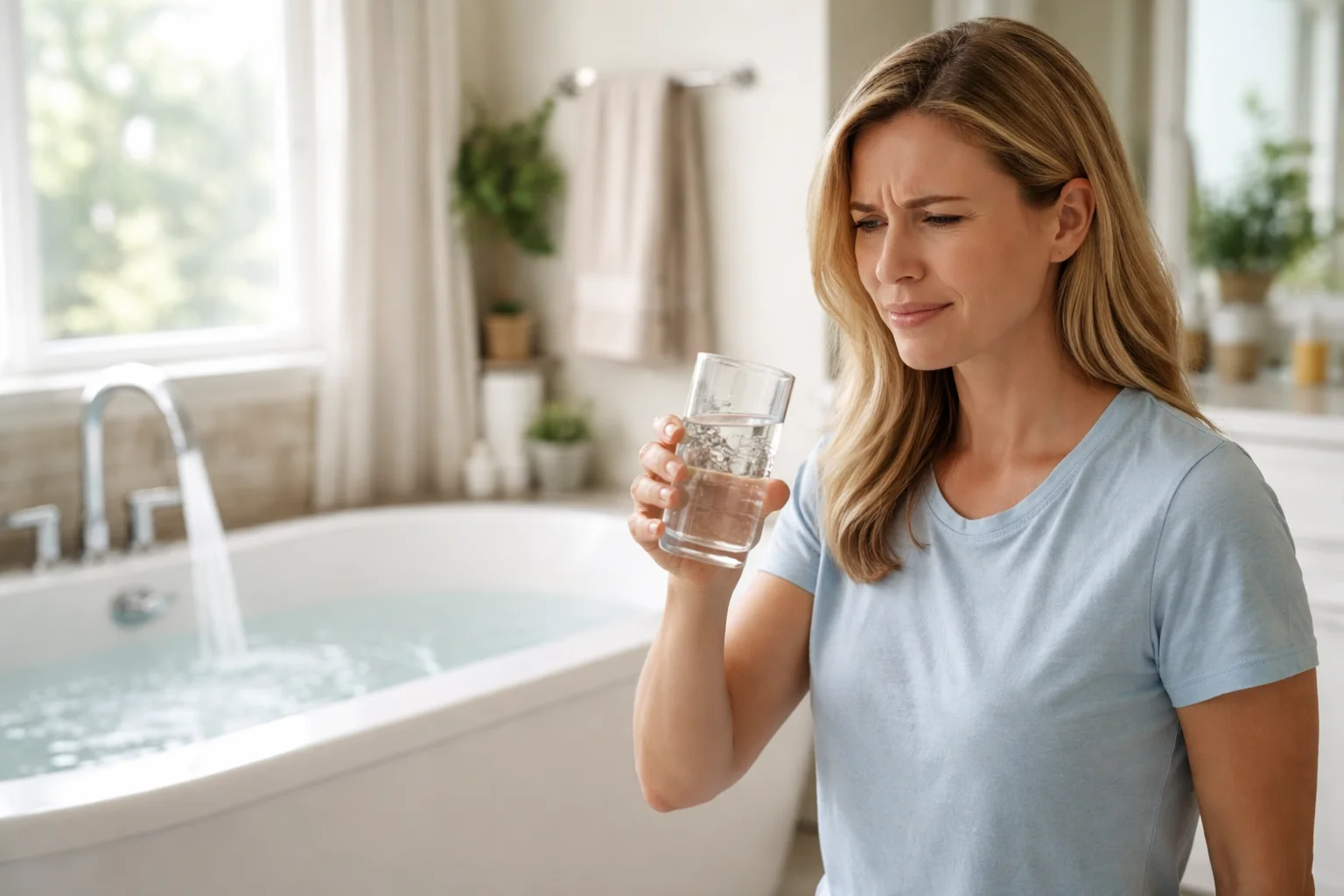
A musty taste and odor from the tap can make you hesitate before filling a glass or using water for cooking, even when it looks clear. People often describe this as an earthy, damp, or wet-cardboard smell that shows up in drinking water, ice, and showers. In humid subtropical places like Whites Landing, those earthy notes usually come from natural organic compounds rather than a single contamination event, and they can linger in beverages and food if not treated at the source.
Musty taste and musty odor are often tied to compounds produced by algae and microbes in source water—chemicals such as geosmin and 2-MIB—that people can notice at very low concentrations. Other causes include decaying plant material, biofilm inside plumbing, or seasonal shifts that affect treatment and distribution. While a musty smell doesn’t always indicate an acute health risk, it is a water-quality problem that can affect daily life in a Whites Landing home, so it’s better to address the root cause than simply mask the scent.
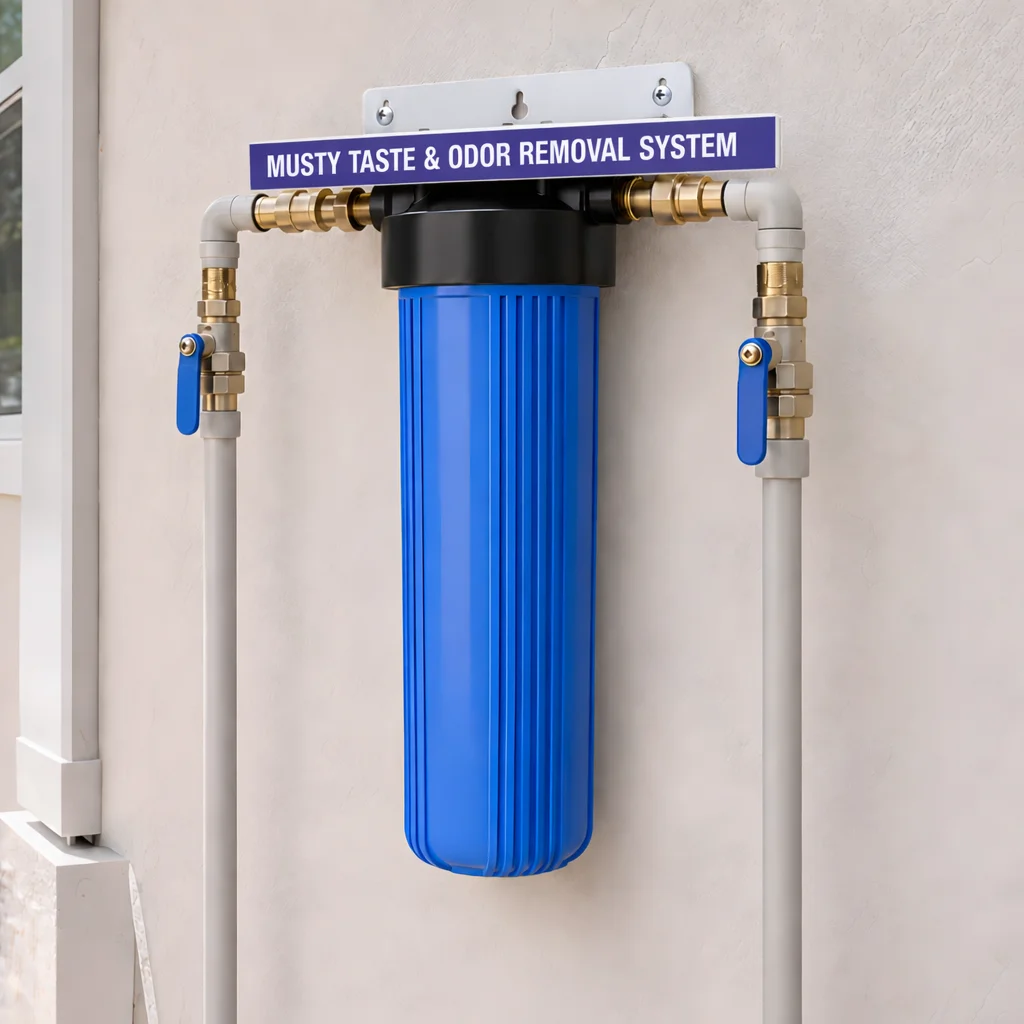
To cut musty taste and odor homewide, a whole-house activated carbon filter is generally the best single-filter choice. Activated carbon excels at adsorbing trace organic compounds that create musty odor and musty taste, including earthy-smelling molecules like geosmin and 2-MIB. When installed where water enters your Whites Landing house, a carbon system treats every tap so odors won’t follow you into showers, laundry, or the kitchen — a more complete solution than pitchers or faucet attachments.
A correctly sized whole-house carbon system offers the contact time needed to remove odor-causing organics while keeping good flow for everyday use. Because musty taste and odor can come from several sources, homeowners often choose carbon for its broad performance against many taste- and odor-related compounds rather than one specific chemical. Mr. Pure Water can recommend the right carbon media and tank size for your household in Whites Landing, and suggest prefiltration if sediment or plumbing buildup could shorten the carbon’s lifespan.
 407-214-2646
 info@bestwaterheater.com

