 Phone: 561-300-5075
 info@bestwaterheater.com
Phone: 561-300-5075
info@bestwaterheater.com
info@bestwaterheater.com
Phone: 561-300-5075
info@bestwaterheater.com
 Phone: 561-300-5075
info@bestwaterheater.com
Phone: 561-300-5075
info@bestwaterheater.com

Including filter system and high-performance Naphthalene filter.


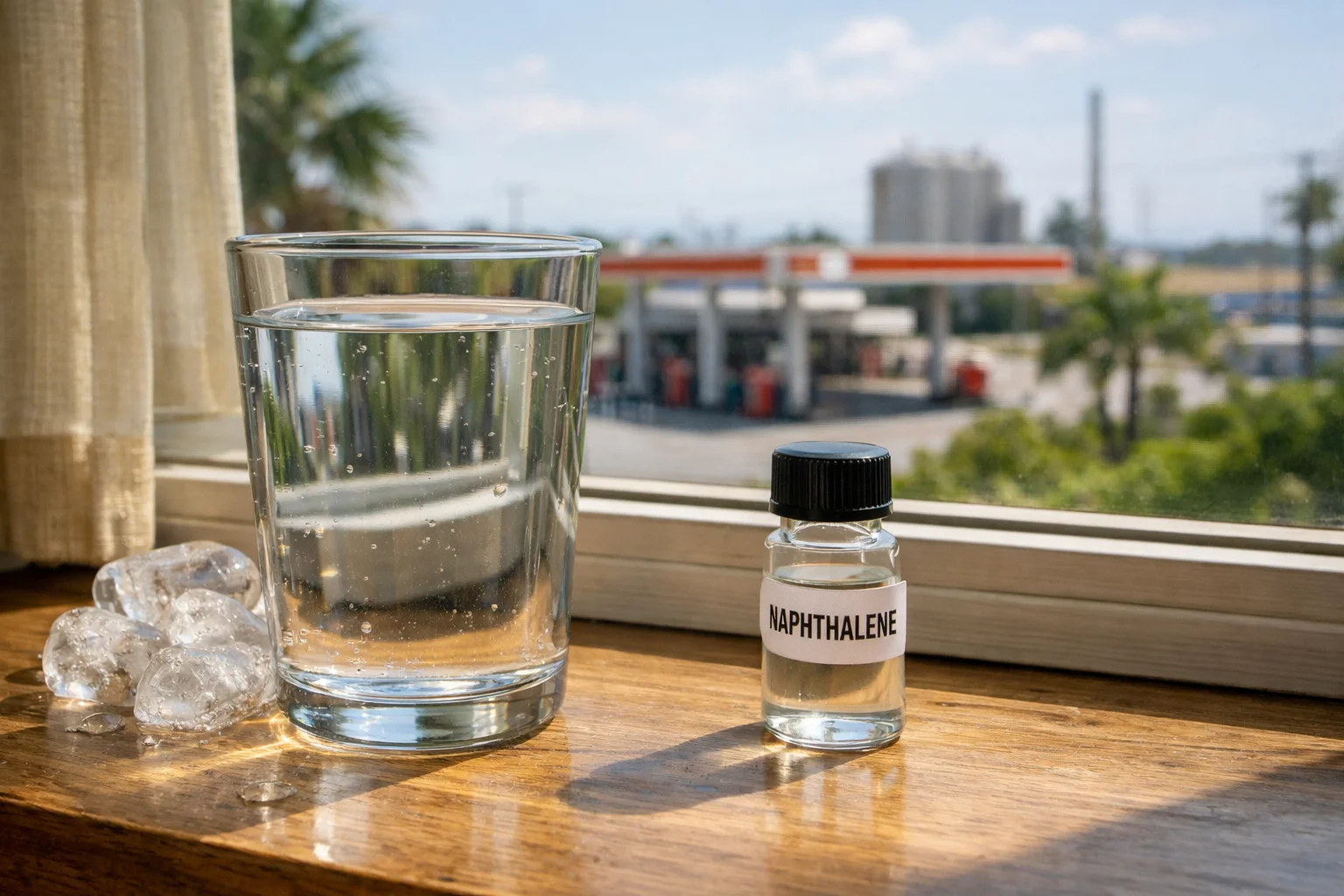
Naphthalene is an organic chemical that can show up in water when fuel-related products or industrial materials are present in the environment. Homeowners may notice a strong, mothball-like odor or taste, especially when running warm water, since some compounds can release more smell as temperatures rise. Even when you can’t smell it, you may still want to address it for peace of mind. If you’re concerned about naphthalene in your water, testing is the best way to confirm what’s there.
Because naphthalene is associated with petroleum and combustion byproducts, it’s most often discussed alongside other volatile organic compounds found in some water sources. It can also be introduced through spills or improper storage of chemicals near the home, or it may migrate through soil into groundwater in certain areas. Whatever the source, it’s not something most families want in the water they drink, cook with, or bathe in. A whole-house approach helps ensure the water quality is improved consistently throughout the home, not just at one sink.
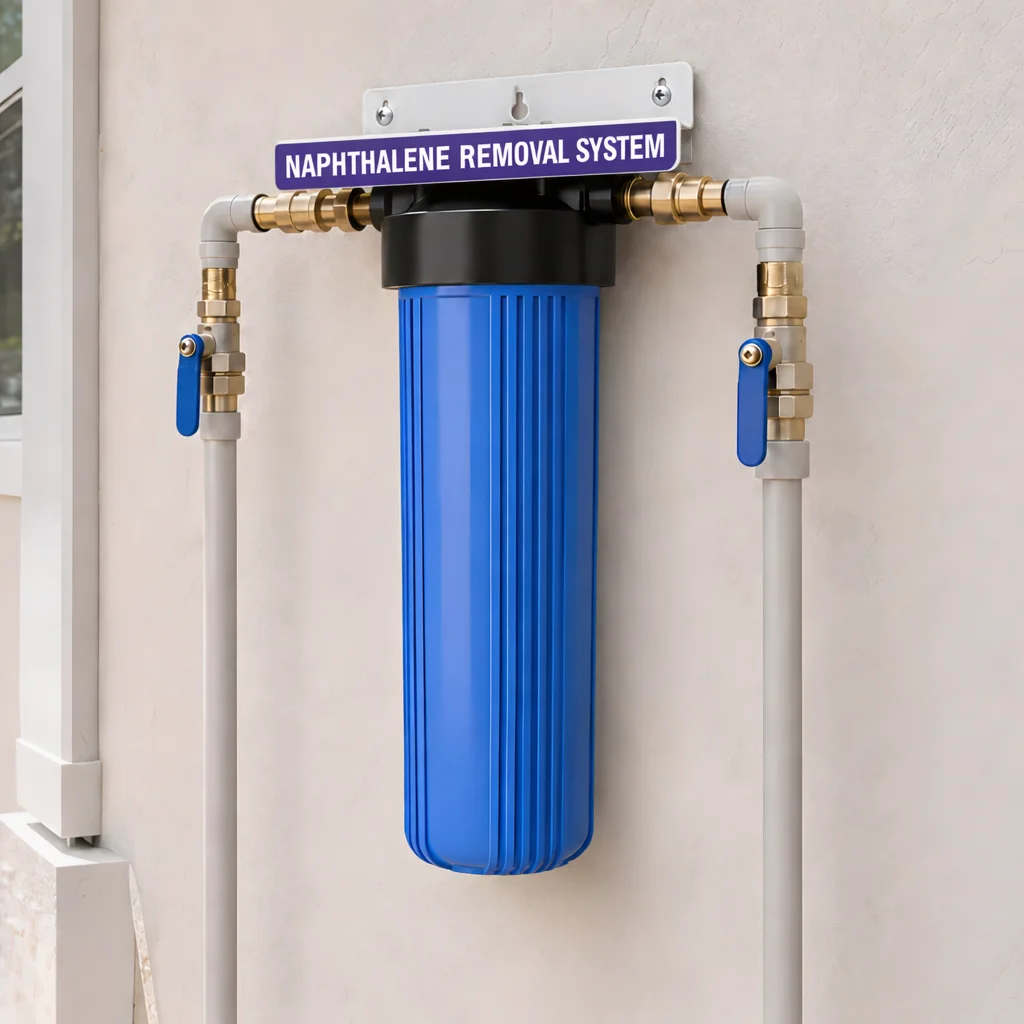
For reducing naphthalene, the most effective single-filter approach in a whole-house system is a high-quality activated carbon filter, typically using catalytic carbon or a dense carbon media bed sized for home flow rates. Activated carbon works by adsorbing many organic chemicals, including compounds responsible for solvent- or mothball-like odors. The key is contact time and the right amount of carbon media, since faster flow and undersized tanks can reduce performance. Installed at the main line, it treats the water before it reaches showers, faucets, and appliances.
A properly selected whole-house activated carbon filter can be paired with prefiltration to keep sediment from clogging the carbon bed and to maintain steady flow. Regular cartridge or media replacement matters, because carbon can become exhausted over time as it captures contaminants. If testing shows additional issues like sediment, metals, or microbial concerns, those are typically handled with complementary stages, but carbon remains the primary workhorse for naphthalene reduction. Mr. Pure Water can help size the carbon filtration to your household’s demand so you get consistent treatment at every tap.
 561-300-5075
 info@bestwaterheater.com

