 Phone: 772-290-5223
 info@bestwaterheater.com
Phone: 772-290-5223
info@bestwaterheater.com
info@bestwaterheater.com
Phone: 772-290-5223
info@bestwaterheater.com
 Phone: 772-290-5223
info@bestwaterheater.com
Phone: 772-290-5223
info@bestwaterheater.com

Including filter system and high-performance Nitrite filter.


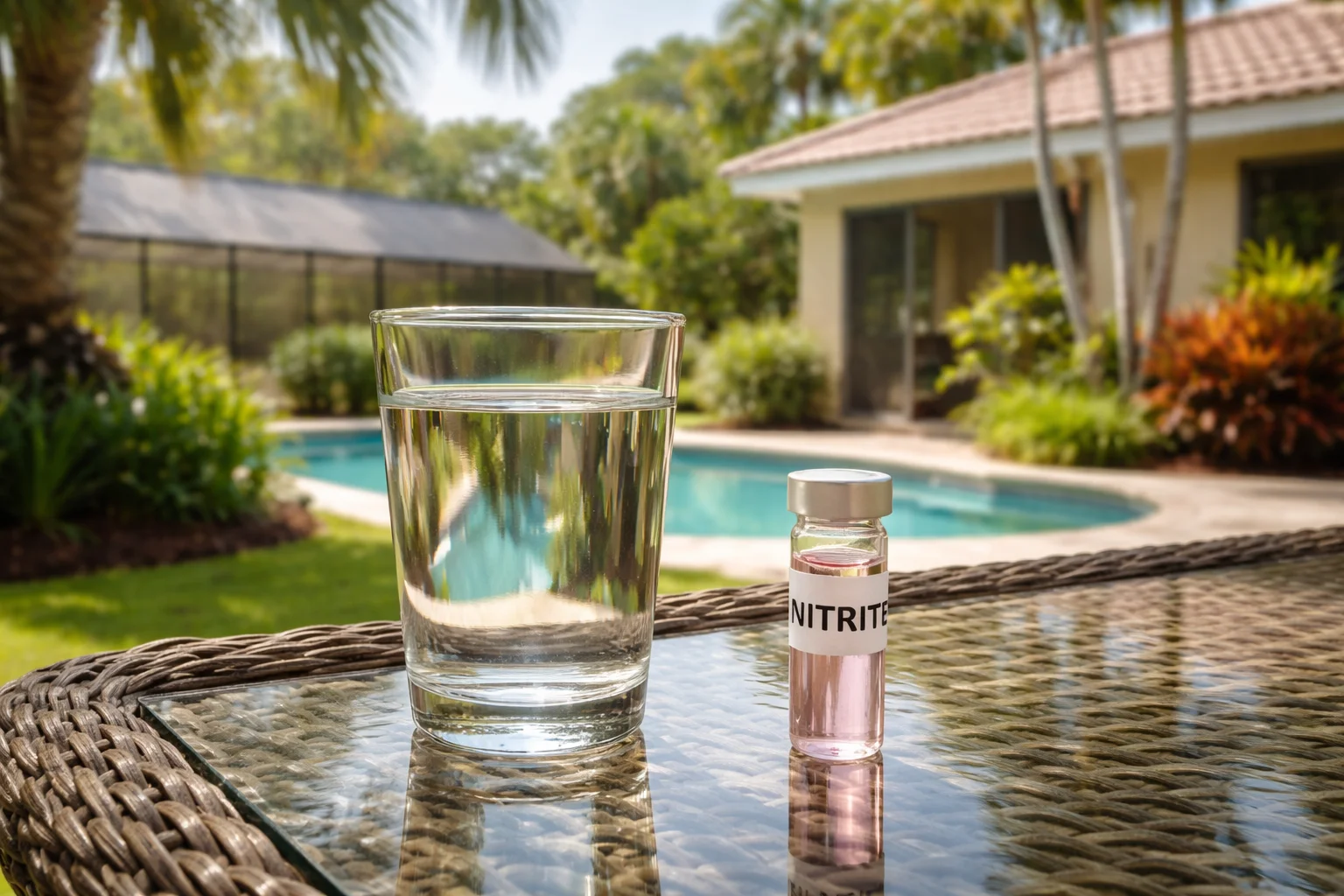
Nitrite is a nitrogen-based contaminant that can enter drinking water when the local nitrogen cycle is disturbed. Common causes include fertilizer runoff, septic or wastewater influence, and the breakdown of organic material that can leach into groundwater. Because nitrite is colorless and usually has no distinct taste or smell, it can be present without obvious signs — the only reliable way to know is with a proper water test in Fort Pierce.
Homeowners across St. Lucie County — including those on private wells in and around Fort Pierce — often add nitrite to their routine testing, especially after heavy rains or nearby land-use changes. Even customers on municipal supply may choose testing for peace of mind if they notice shifts in water quality. Nitrite commonly appears in discussions with nitrate since the two can interconvert under certain conditions; identifying which compound is present helps determine the right treatment for your household.
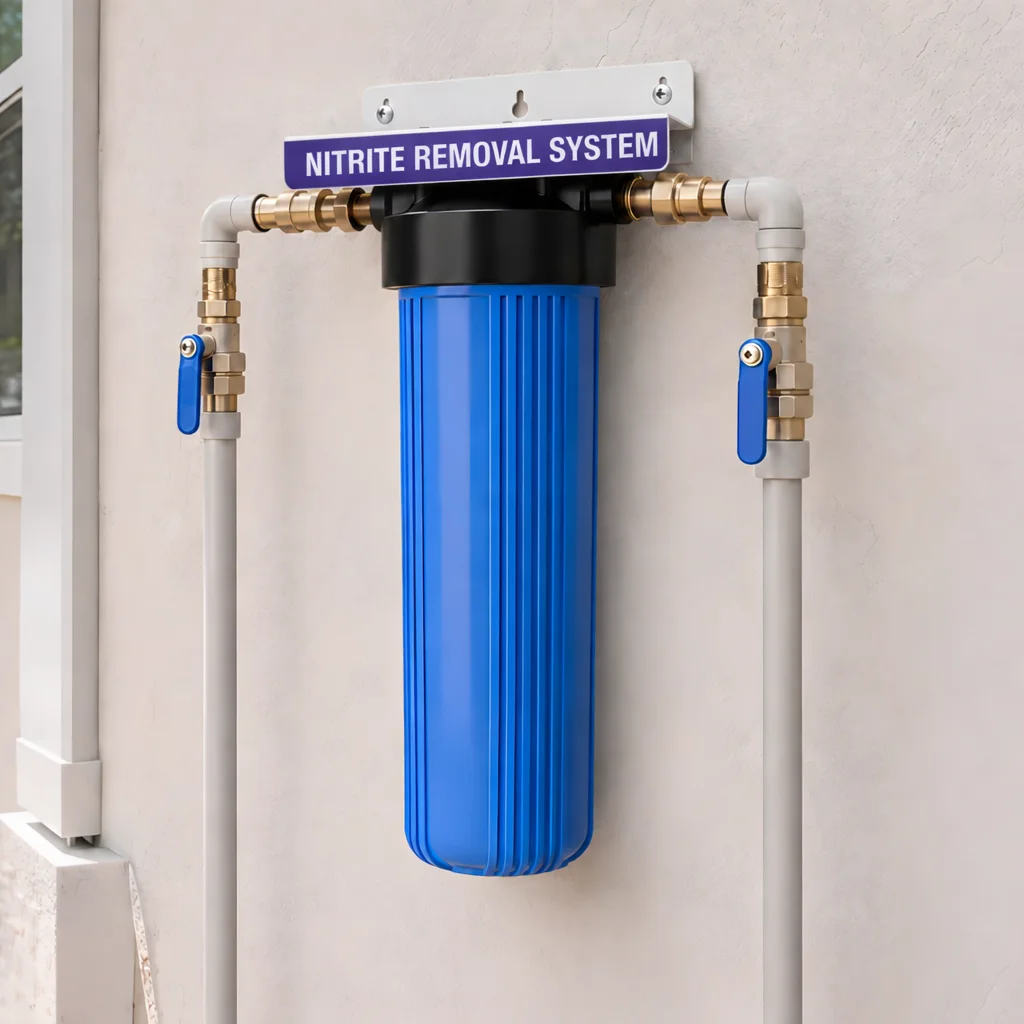
To reduce nitrite reliably throughout a Fort Pierce home, the most effective single-filter solution is a whole-house reverse osmosis system. RO works with a semi-permeable membrane to remove many dissolved ions — including nitrite — rather than only improving taste or odor. Because nitrite is dissolved in water, it won’t be fully addressed by standard carbon filters; a whole-house RO treats water before it reaches fixtures, appliances, and bathrooms.
A correctly designed whole-house reverse osmosis system for nitrite removal includes prefiltration to protect the membrane and postfiltration to polish water quality. Proper sizing and flow rate are crucial to maintain consistent performance without losing pressure across your Fort Pierce home, where hard water and coastal humidity can contribute to scale and system stress. Membranes can foul over time, so scheduled maintenance and timely filter changes keep nitrite reduction steady; Mr. Pure Water can recommend the best configuration based on your water test and household demand.
 772-290-5223
 info@bestwaterheater.com

