 Phone: 772-290-5223
 info@bestwaterheater.com
Phone: 772-290-5223
info@bestwaterheater.com
info@bestwaterheater.com
Phone: 772-290-5223
info@bestwaterheater.com
 Phone: 772-290-5223
info@bestwaterheater.com
Phone: 772-290-5223
info@bestwaterheater.com

Including filter system and high-performance Nitrite filter.


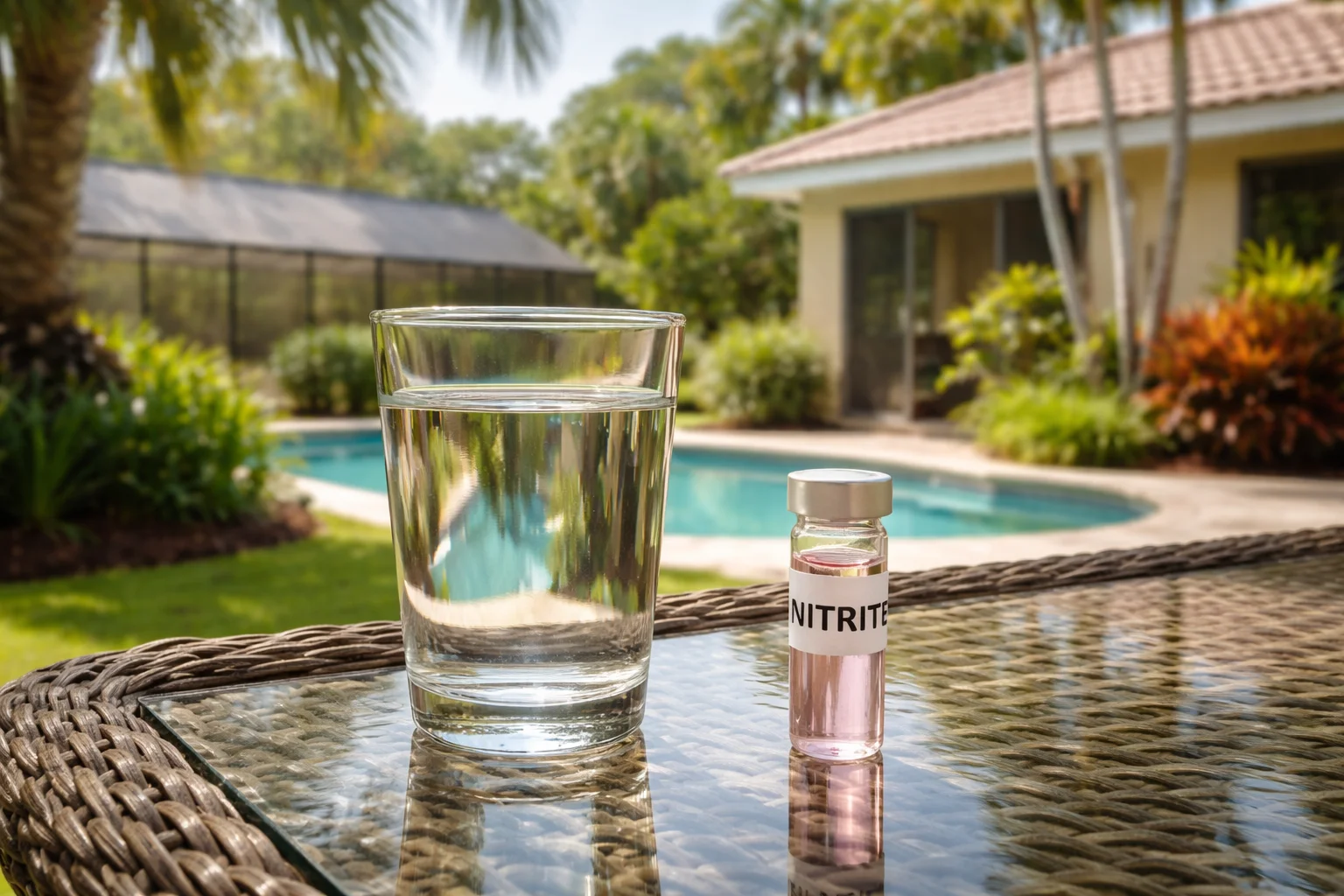
Nitrite is a nitrogen-based compound that can enter drinking water when the natural nitrogen cycle is disrupted—commonly from fertilizer runoff, septic system impacts, or the breakdown of organic material that leaches into groundwater. It’s colorless and usually has no noticeable taste or odor, so you can’t rely on senses alone to detect it in Sebring’s water. The only reliable way to know if nitrite is present at concerning levels is to have your water professionally tested.
If your Sebring property is on a private well, testing for nitrite is a routine recommendation—especially after heavy rains, land changes, or nearby septic work. Even homeowners on municipal supplies sometimes choose testing for peace of mind or when they notice a change in water quality. Nitrite often appears alongside nitrate, and under certain conditions the two can interconvert, so identifying which compound is present helps determine the right treatment plan for your Highlands County home.
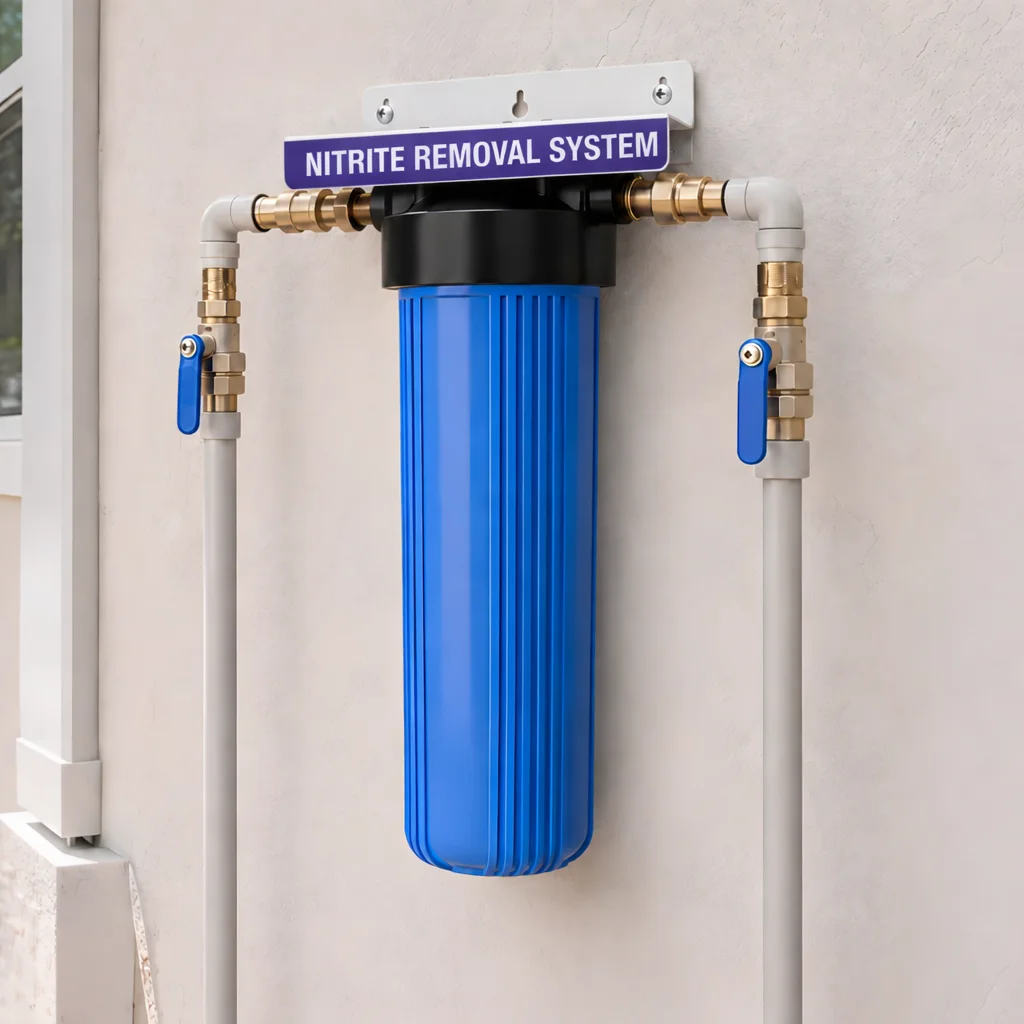
To reduce nitrite throughout the house, the most reliable single-filter choice is a whole-house reverse osmosis system. Reverse osmosis forces water through a semi-permeable membrane that removes many dissolved ions, including nitrite—unlike standard carbon filters that mainly address taste and odor. Installing a whole-house unit treats incoming water before it reaches kitchen fixtures, bathrooms, and appliances, which is especially useful in Sebring where hard, mineral-rich groundwater can contribute to scale and wear on plumbing.
A well-designed whole-house reverse osmosis system for nitrite reduction will include prefiltration to protect the membrane and postfiltration to refine water quality, plus appropriate sizing to maintain household flow and pressure. Membranes can foul over time—regular maintenance and timely filter changes keep performance steady. Mr. Pure Water can assess your Sebring water test results and recommend the right RO configuration to meet your household’s demand and the local hard-water conditions.
 772-290-5223
 info@bestwaterheater.com

