 Phone: 407-214-2646
 info@bestwaterheater.com
Phone: 407-214-2646
info@bestwaterheater.com
info@bestwaterheater.com
Phone: 407-214-2646
info@bestwaterheater.com
 Phone: 407-214-2646
info@bestwaterheater.com
Phone: 407-214-2646
info@bestwaterheater.com

Including filter system and high-performance Nitrite filter.


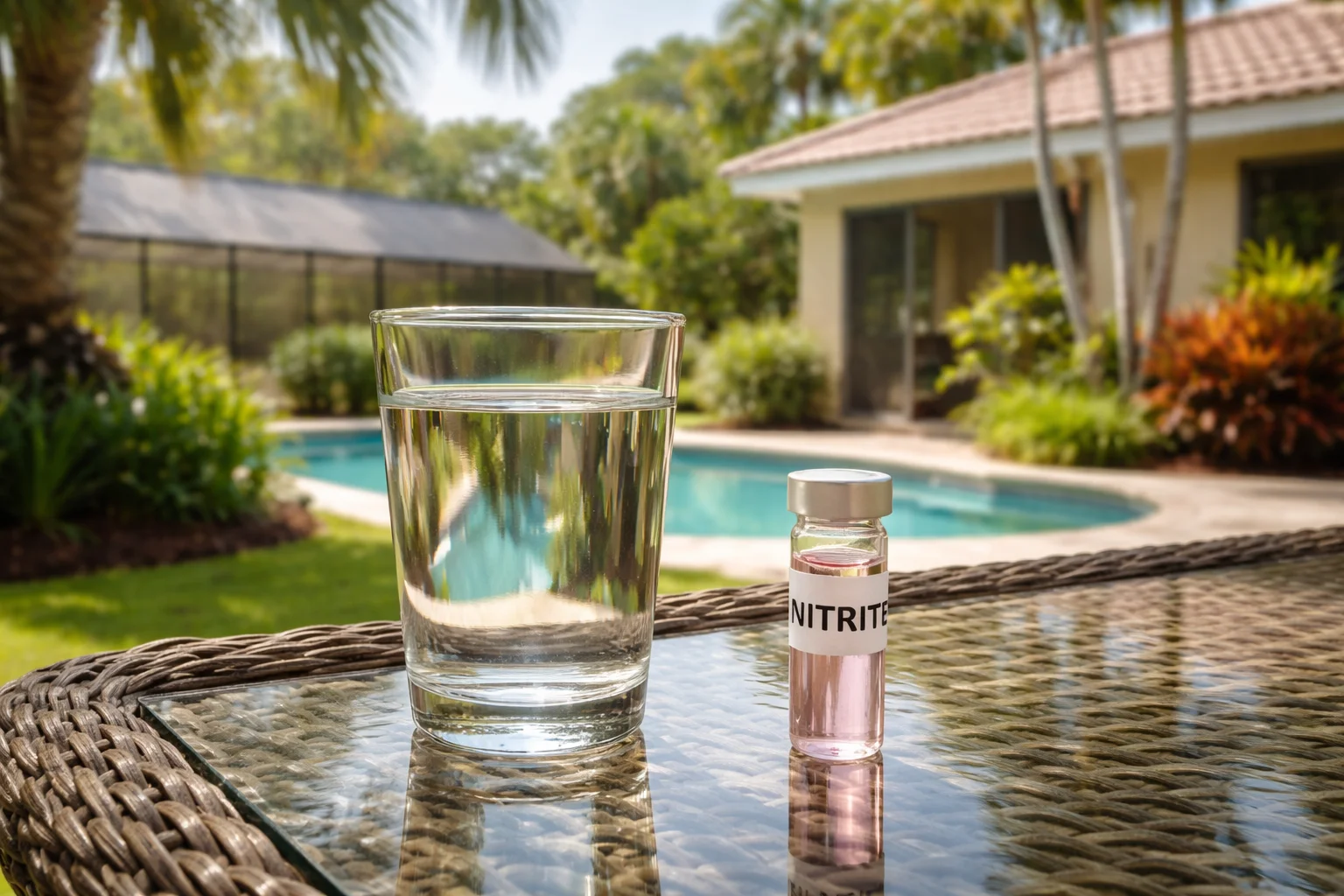
Nitrite is a nitrogen-based compound that can enter drinking water when the natural nitrogen cycle is disturbed. Common sources include fertilizer runoff, septic system impacts, and the breakdown of organic material that can leach into groundwater. Nitrite is colorless and usually has no distinctive taste or smell, so you won’t detect it without laboratory testing. If you live in South Apopka and rely on local groundwater or a private well, the only reliable way to know if nitrite is present is to have your water tested.
Homeowners in South Apopka — whether on a municipal supply or a private well — often include nitrite in their routine water testing, particularly after heavy rains or changes to nearby land use. Even those on the county system choose testing for reassurance, especially because nitrite and nitrate can interconvert under certain conditions. Identifying which compound is in your water is important for selecting the correct treatment, and testing provides the clarity you need to decide.
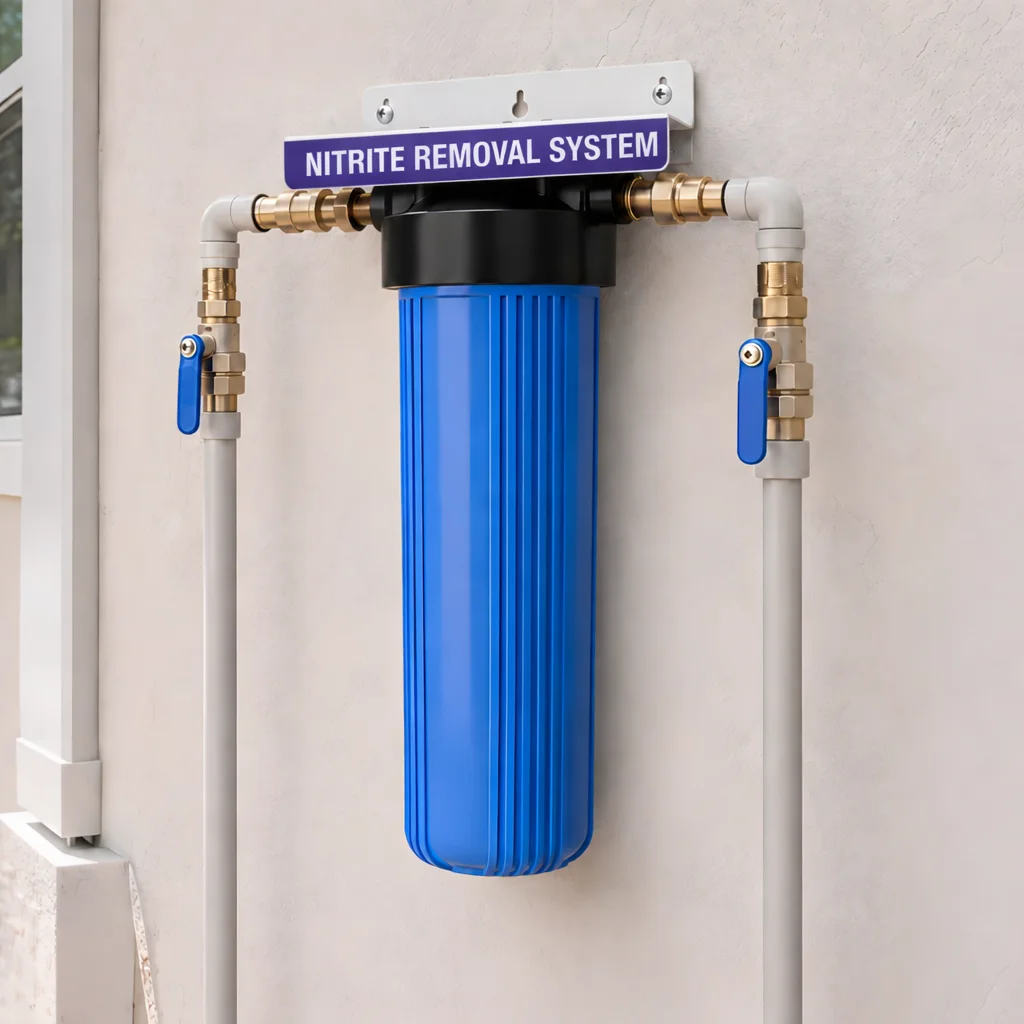
To reliably reduce nitrite throughout a South Apopka home, a whole-house reverse osmosis system is typically the most effective single-filter solution. Reverse osmosis pushes water through a semi-permeable membrane that removes many dissolved ions, including nitrite, rather than only addressing taste and odor. Because nitrite is dissolved, standard carbon filters won’t fully remove it; a whole-house RO treats water before it reaches kitchen fixtures, bathrooms, and appliances that can be affected by hard-water minerals common in the area.
A well-designed whole-house reverse osmosis system for nitrite reduction includes prefiltration to protect the membrane and postfiltration to polish the water. Proper sizing and flow-rate planning ensure steady performance without losing household pressure, and routine maintenance prevents membrane fouling over time. Mr. Pure Water can help South Apopka homeowners choose the right RO configuration based on your water test results and your home’s water use, especially where hard water can contribute to scale in plumbing and appliances.
 407-214-2646
 info@bestwaterheater.com

