 Phone: 407-214-2646
 info@bestwaterheater.com
Phone: 407-214-2646
info@bestwaterheater.com
info@bestwaterheater.com
Phone: 407-214-2646
info@bestwaterheater.com
 Phone: 407-214-2646
info@bestwaterheater.com
Phone: 407-214-2646
info@bestwaterheater.com

Including filter system and high-performance Nonylphenol filter.


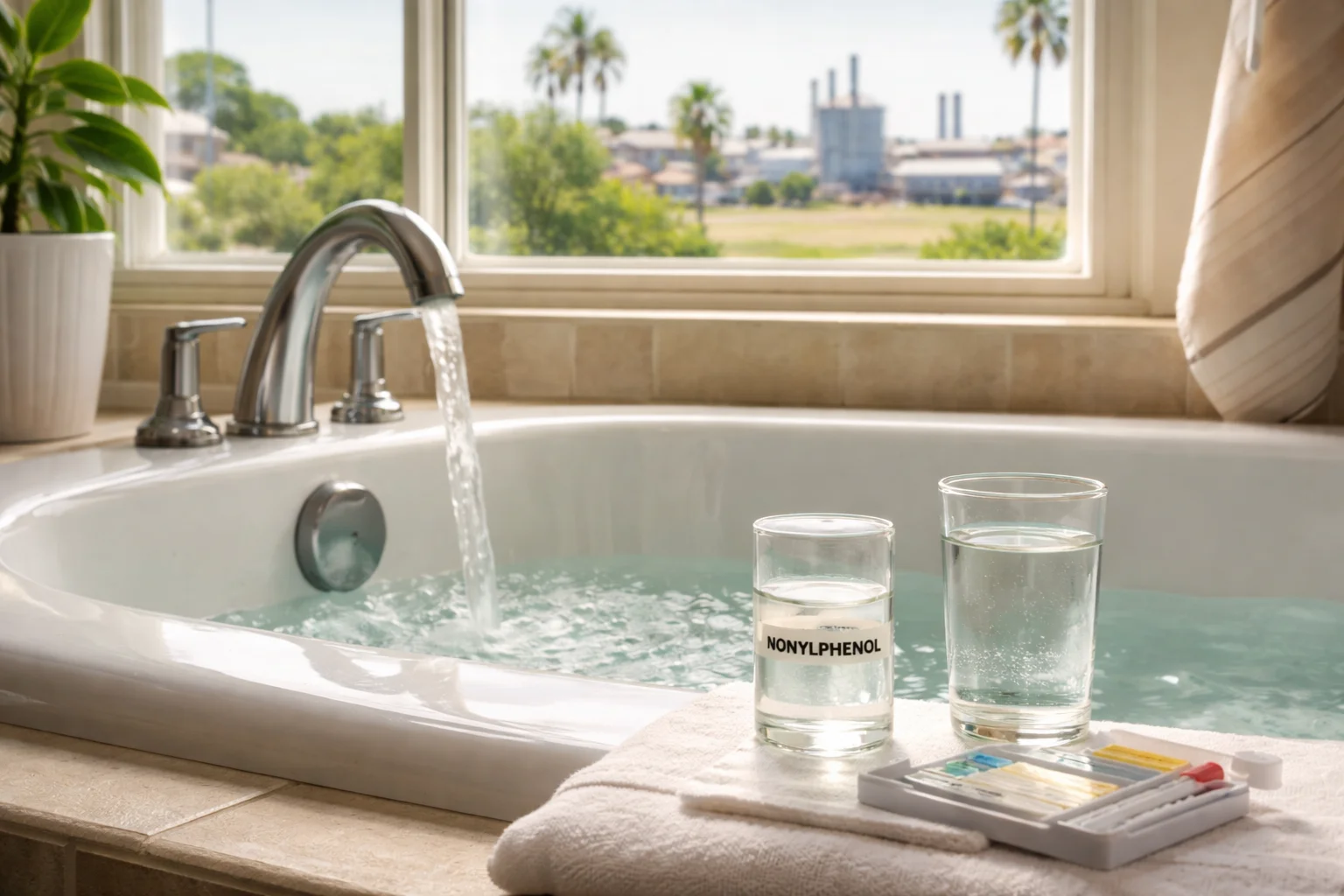
Nonylphenol is a man-made chemical that can enter water when certain detergents, cleaners, or industrial additives break down and move through wastewater pathways into source supplies. It’s part of a family of compounds that can show up at very low levels in tap water, often without any noticeable taste or smell — so homeowners usually learn about it through testing or a water quality report. If you live in Plymouth and want more assurance about what comes from your taps, it helps to know how nonylphenol behaves and what steps are commonly used to address it.
As an organic chemical, nonylphenol behaves differently from common minerals like calcium or visible issues such as sediment. It’s typically a trace dissolved contaminant rather than something you’ll see on a filter, and ordinary screen filters or water softeners aren’t designed to remove it reliably. Many Plymouth homeowners prefer a whole-house solution so drinking, cooking, bathing and laundry water all receive the same treatment, instead of relying on a single faucet filter.
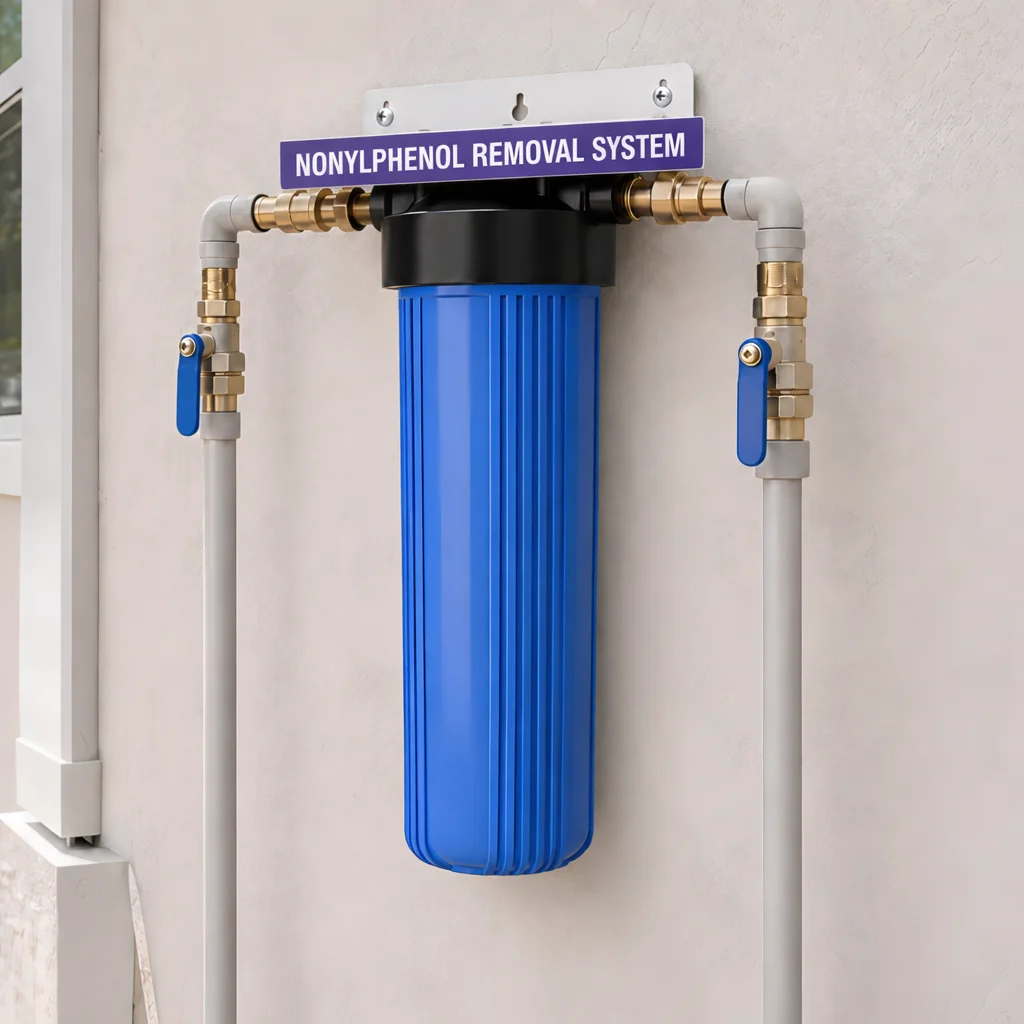
The most effective single-filter whole-house option for nonylphenol is a high-quality activated carbon system — ideally catalytic carbon or a dense carbon media bed built for chemical adsorption. Activated carbon removes dissolved organic compounds as water flows through the media, which makes it well suited to target contaminants like nonylphenol. Installed at the main service line, a carbon unit treats all water entering a Plymouth home rather than just one fixture.
Sizing matters: a whole-house carbon filter must provide enough contact time to remove dissolved organics during normal household flows from showers, dishwashers and multiple taps. In Central Florida’s hard-water conditions, pairing a carbon system with prefiltration can prevent premature clogging of the carbon bed and help it perform steadily. Mr. Pure Water can assess Plymouth homes and recommend the right carbon media and tank size to match your water use and goals for nonylphenol reduction.
 407-214-2646
 info@bestwaterheater.com

