 Phone: 321-400-9302
 info@bestwaterheater.com
Phone: 321-400-9302
info@bestwaterheater.com
info@bestwaterheater.com
Phone: 321-400-9302
info@bestwaterheater.com
 Phone: 321-400-9302
info@bestwaterheater.com
Phone: 321-400-9302
info@bestwaterheater.com

Including filter system and high-performance Nonylphenol filter.


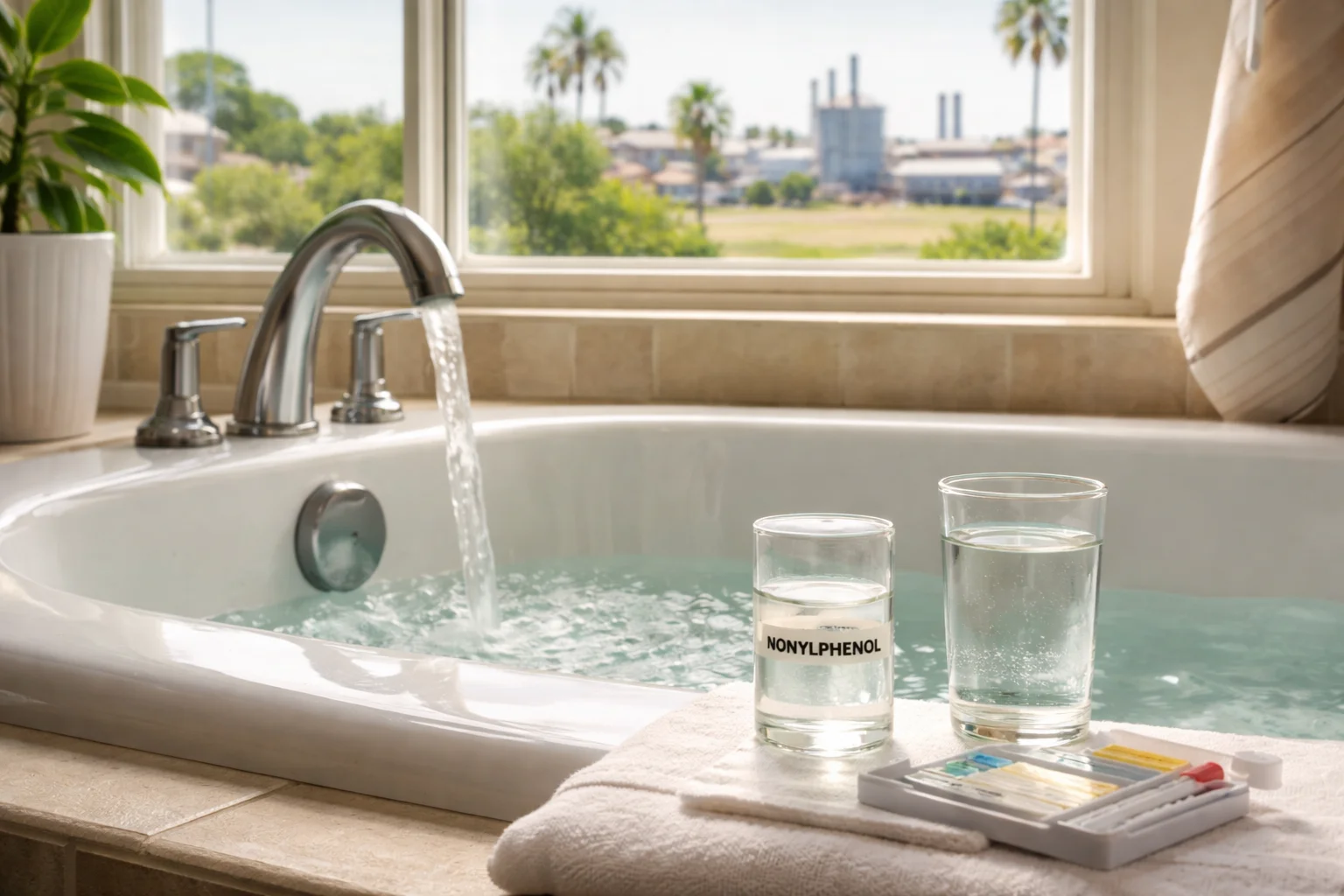
Nonylphenol is a man-made chemical that can form when certain cleaners, detergents, and industrial additives break down. It often moves through wastewater pathways and can reach source water, so trace amounts sometimes appear in household tap water without obvious taste or smell. In South Patrick and elsewhere on the Space Coast, understanding what nonylphenol is and how it behaves is a good first step toward deciding whether extra filtration makes sense for your family.
Because nonylphenol is an organic chemical rather than a dissolved mineral or visible particle, it won’t be removed reliably by basic screens or a standard water softener. It’s typically about managing low-level chemical exposure across all home uses—drinking, cooking, bathing, and laundry—rather than filtering out sediment. Many South Patrick homeowners prefer a whole-house solution so every tap on their property receives the same treatment without depending on a single faucet-mounted filter.
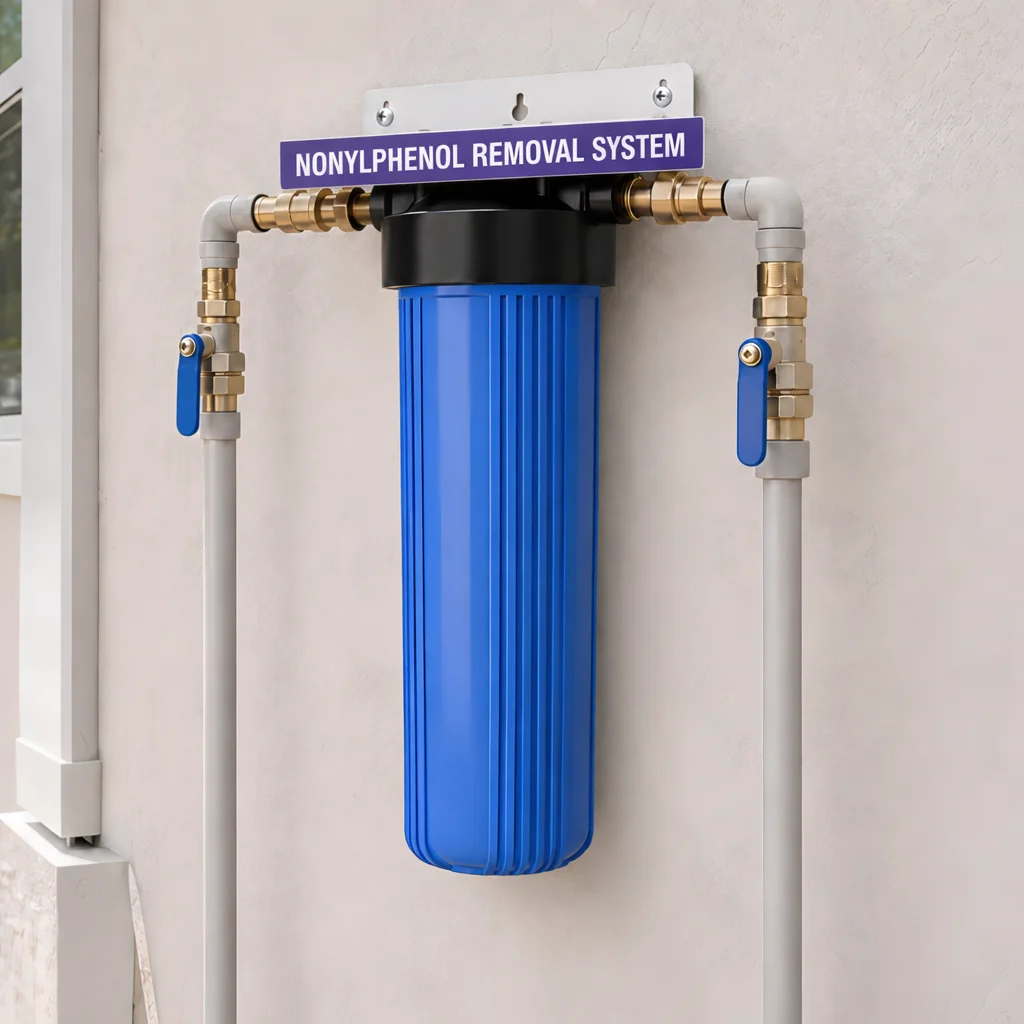
For treating nonylphenol throughout a home, the best single-filter choice is generally a high-quality activated carbon system, especially units using catalytic carbon or a dense carbon media bed built for chemical adsorption. Activated carbon removes dissolved organic compounds as water flows through the media, making it well suited to contaminants like nonylphenol. Installed at the main water line for a South Patrick residence, this approach protects all plumbing fixtures instead of addressing just one point of use.
A whole-house carbon filter must be sized so the media gets enough contact time to capture dissolved organics, and that’s especially important where household flow rates—showers, irrigation, multiple baths—can be high. In hard, coastal waters common in Brevard County, pairing a carbon unit with prefiltration helps prevent the carbon bed from fouling and keeps performance steady. Mr. Pure Water can assess your South Patrick home’s water use, consider local hardness and scale tendencies, and recommend the right carbon media and tank size for effective nonylphenol reduction.
 321-400-9302
 info@bestwaterheater.com

