 Phone: 407-214-2646
 info@bestwaterheater.com
Phone: 407-214-2646
info@bestwaterheater.com
info@bestwaterheater.com
Phone: 407-214-2646
info@bestwaterheater.com
 Phone: 407-214-2646
info@bestwaterheater.com
Phone: 407-214-2646
info@bestwaterheater.com

Including filter system and high-performance PAHs filter.


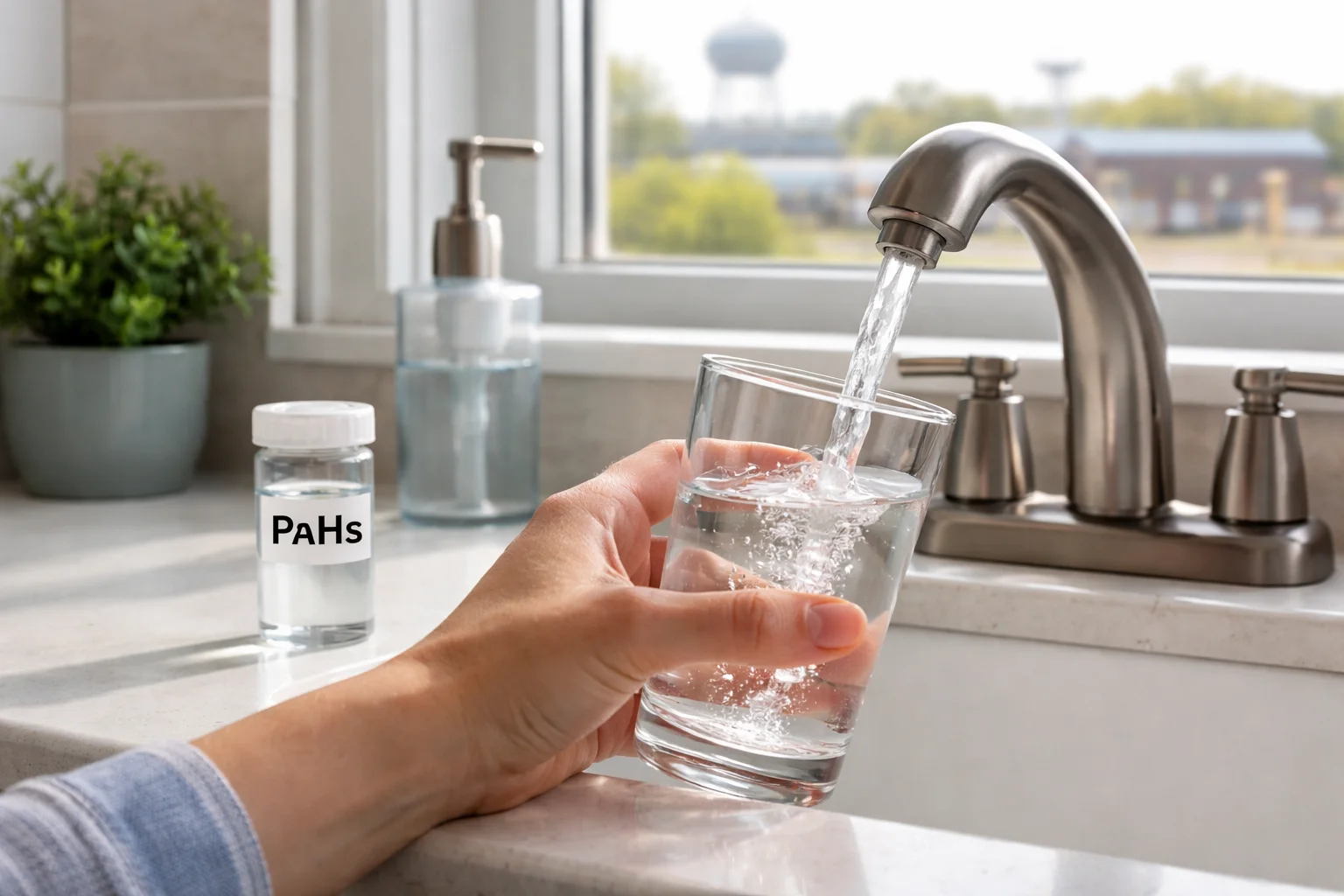
PAHs are a group of organic chemicals that can enter water supplies when fuel, oil or combustion residues reach the environment. You may also see them listed as polycyclic aromatic hydrocarbons on lab reports or water-quality documents. Because they include several related compounds, PAHs can be hard for homeowners to identify by taste or smell, so the safest option is to reduce exposure by treating water before it arrives at your taps in South Apopka.
Polycyclic aromatic hydrocarbons are hydrophobic and tend to attach to sediments and organic material rather than staying evenly dissolved, so concentrations can fluctuate between samples—especially after construction, heavy storm runoff, or changes to a groundwater source. In South Apopka, where many homes use groundwater-based municipal supplies or private wells and hard water can stir up sediments and scale, PAHs can behave unpredictably and sometimes appear alongside discoloration or petroleum-like odors. For steady protection across bathing, cooking and laundry, whole-home treatment is generally more reliable than single point-of-use devices.
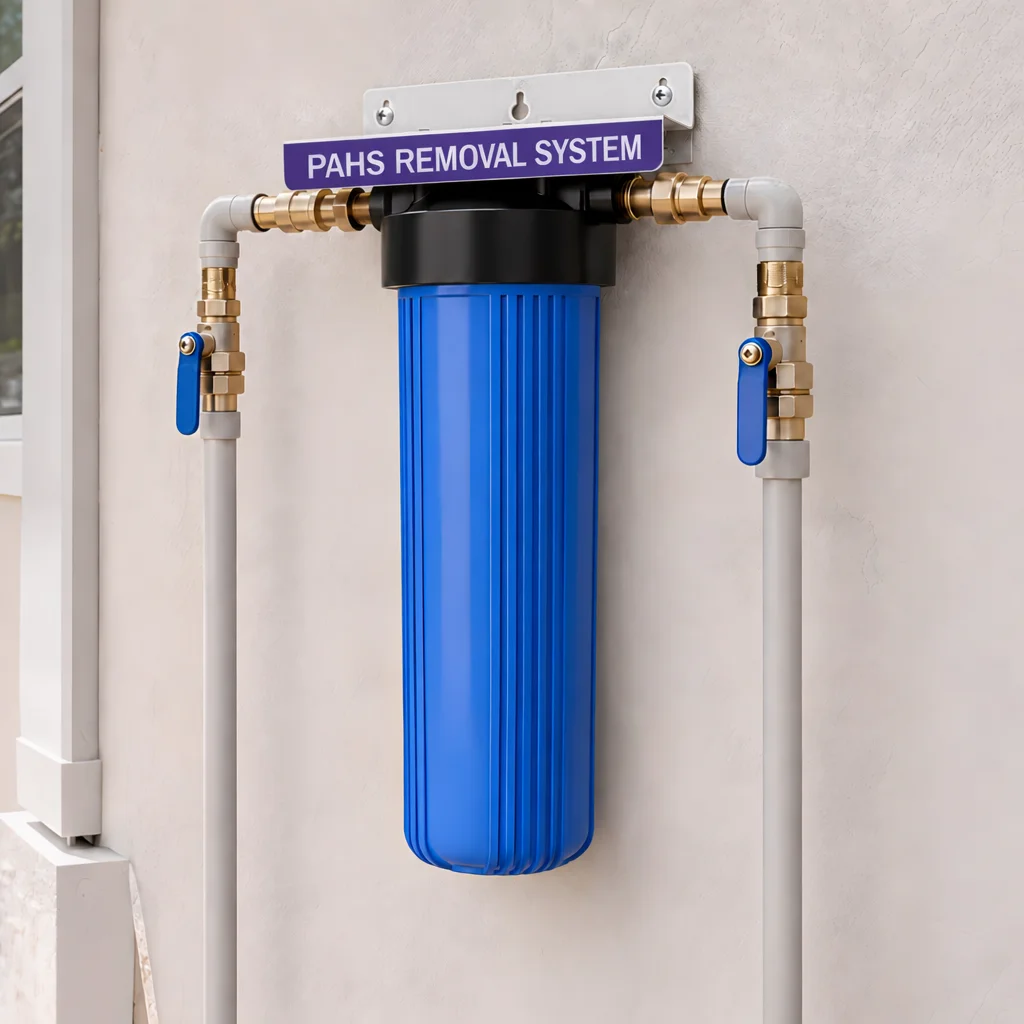
The most effective single-filter strategy for PAHs is a high-capacity activated carbon system—usually built with catalytic carbon or premium granular activated carbon—because these compounds adsorb readily onto carbon media as water flows through. A correctly sized whole-house carbon filter will treat water used at every tap in your South Apopka home without changing how you use plumbing or appliances, helping protect against exposure during showers, cooking and laundry.
Carbon media loads up over time, so performance relies on having ample media volume, sufficient contact time, and routine filter replacement. Whole-house activated carbon also helps reduce other organic taste-and-odor issues that can travel with PAHs. Mr. Pure Water can recommend the right carbon tank size for your household flow rate in South Apopka—taking into account hard water and typical high-demand periods—so you get consistent reduction when you need it most.
 407-214-2646
 info@bestwaterheater.com

