 Phone: 850-772-1365
 info@bestwaterheater.com
Phone: 850-772-1365
info@bestwaterheater.com
info@bestwaterheater.com
Phone: 850-772-1365
info@bestwaterheater.com
 Phone: 850-772-1365
info@bestwaterheater.com
Phone: 850-772-1365
info@bestwaterheater.com

Including filter system and high-performance PCBs filter.


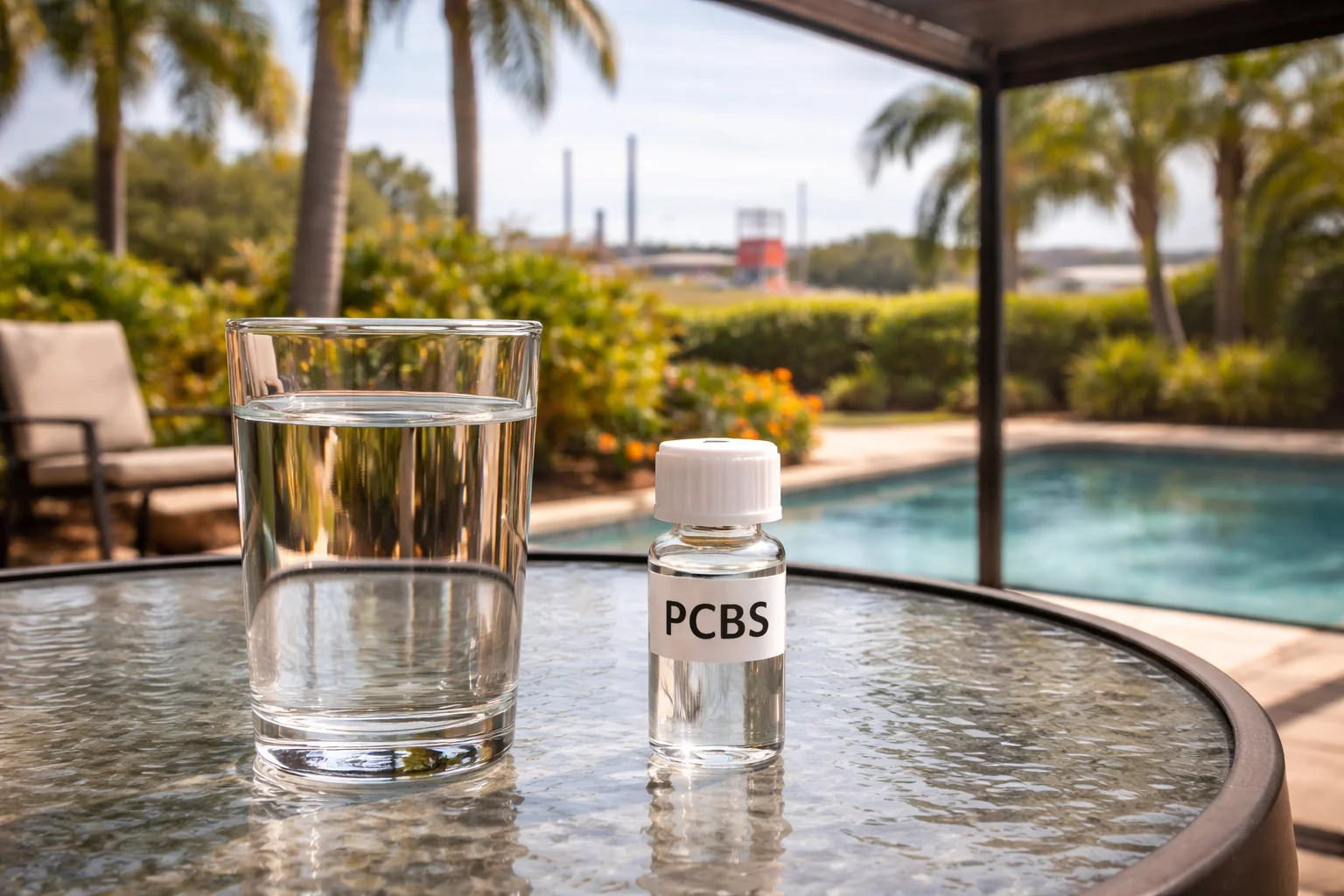
PCBs are a group of industrial chemicals known as polychlorinated biphenyls that persist in the environment and can sometimes be found in water supplies. Historically used in electrical equipment and manufacturing, these compounds don’t break down easily, so they can linger for years once they enter waterways. Beacon Hill homeowners most often hear about PCBs through water utility notices, local conversations, or independent testing of household water.
Because PCBs usually occur at very low concentrations, you won’t detect them by sight, smell, or taste in tap water. They can get into drinking sources from legacy contamination, disturbed sediments, or runoff that carries pollutants into surface waters. Even if your Beacon Hill tap water looks and smells normal, many families prefer a whole-house strategy to reduce potential long-term exposure for cooking, bathing, laundry, and other everyday uses rather than treating a single faucet.
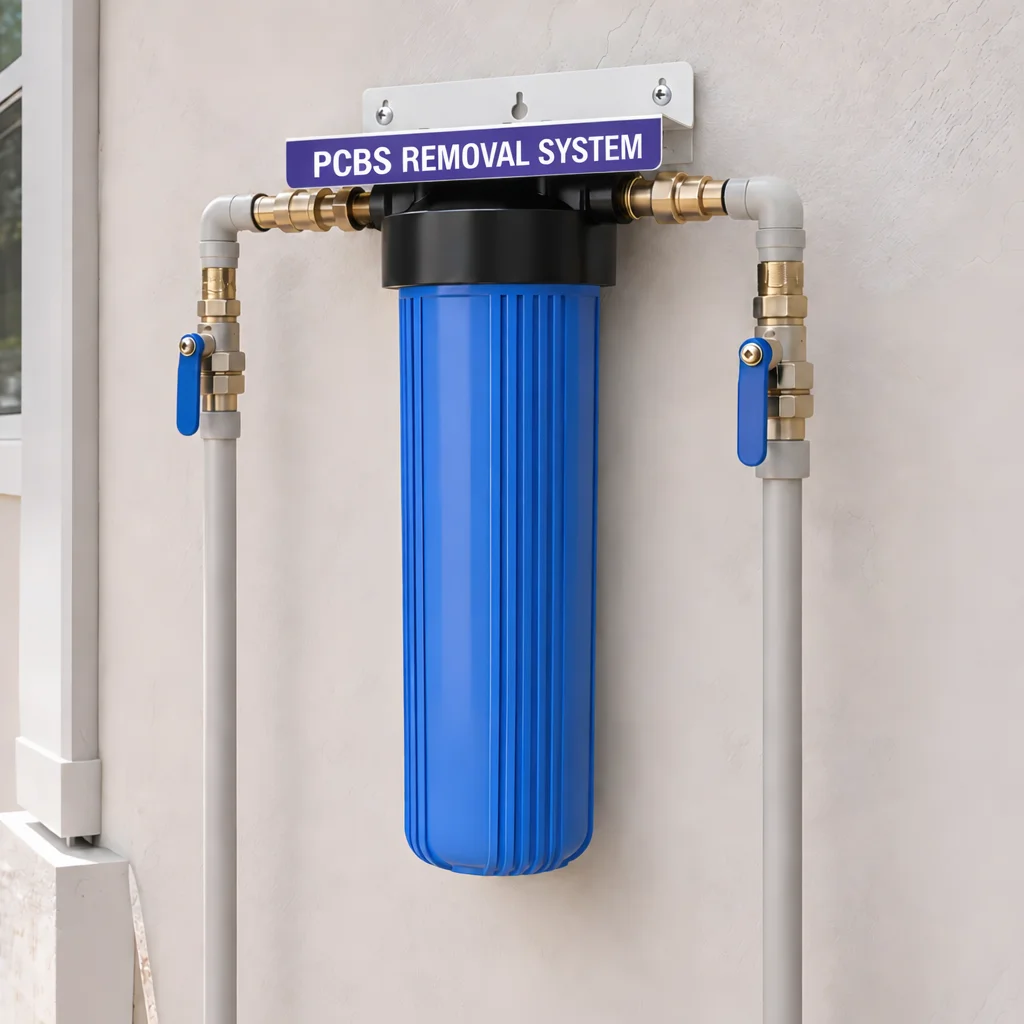
The most effective single-filter option for whole-house PCB reduction is an activated carbon filter—typically catalytic carbon or a carbon block designed for strong adsorption. Because PCBs are hydrophobic organic compounds, they’re best captured by carbon media rather than by basic sediment filters. As water moves through the carbon bed, polychlorinated biphenyls tend to adhere to the carbon surface, lowering the levels that reach your faucets; this approach also helps reduce other similar organic contaminants common to household water.
For reliable PCB removal, a whole-house activated carbon system needs sufficient contact time and enough media volume to handle your home’s peak flow. A sediment pre-filter is often installed before the carbon stage to prevent premature clogging, but the carbon is the primary component for adsorbing PCBs. Regular maintenance and media replacement are essential because adsorption capacity is finite; Mr. Pure Water can size and install a whole-house carbon system tailored to Beacon Hill homes so your incoming water is treated at the point it enters your plumbing.
 850-772-1365
 info@bestwaterheater.com

