 Phone: 954-208-3500
 info@bestwaterheater.com
Phone: 954-208-3500
info@bestwaterheater.com
info@bestwaterheater.com
Phone: 954-208-3500
info@bestwaterheater.com
 Phone: 954-208-3500
info@bestwaterheater.com
Phone: 954-208-3500
info@bestwaterheater.com

Including filter system and high-performance PCBs filter.


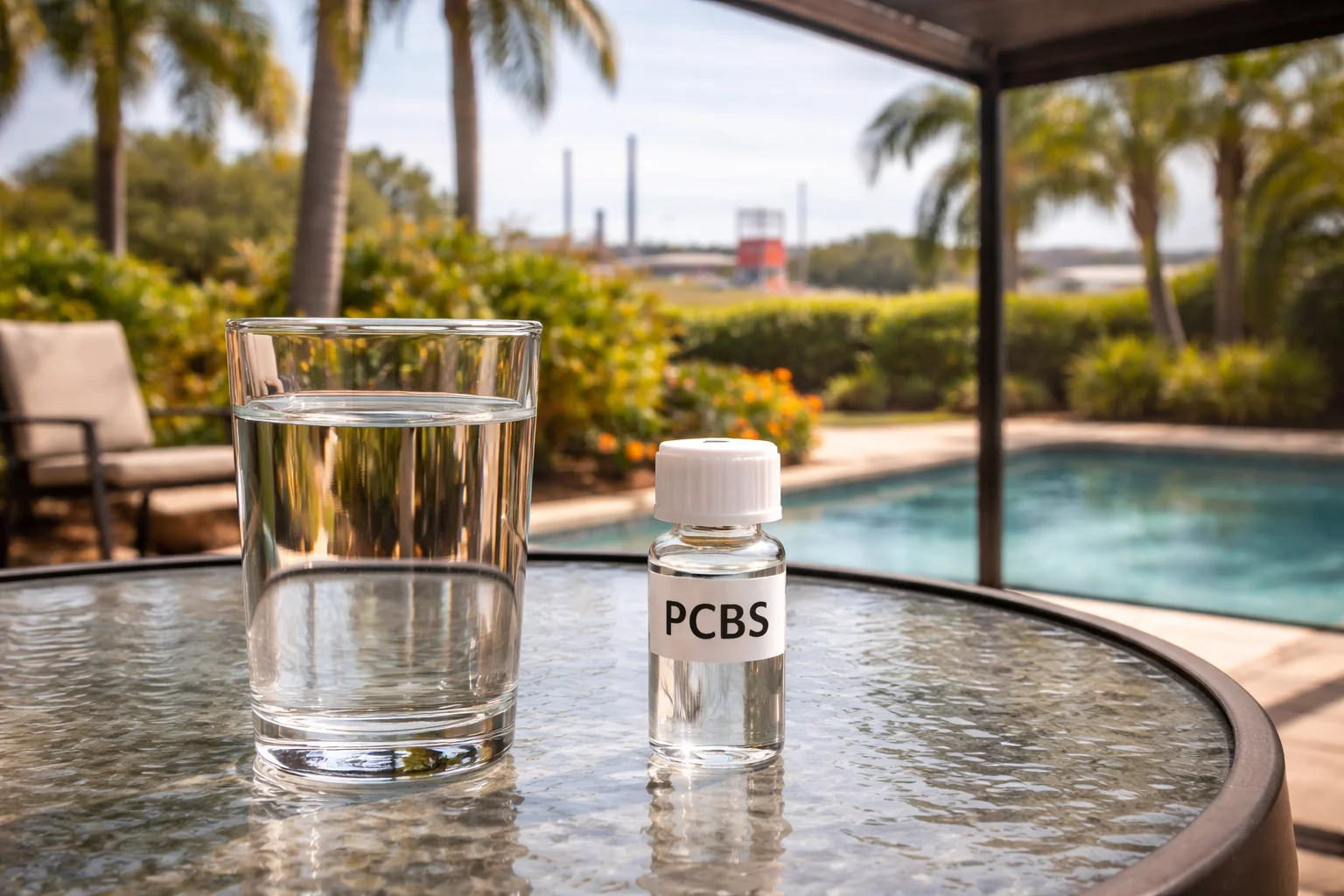
PCBs are a group of industrial chemicals known as polychlorinated biphenyls that persist in the environment and can sometimes reach water supplies. They were commonly used in older electrical equipment and certain manufacturing processes, and when they enter waterways they can be slow to break down. Residents in Coral Springs may first hear about PCBs from utility notices, neighbors, or private testing — and because municipal water in Broward County is typically hard, other visible issues like limescale can distract from invisible concerns about legacy contaminants.
PCBs are usually present at very low concentrations, so you won’t detect them by sight, smell, or taste in tap water. They can get into drinking sources through historical contamination, disturbed sediments, or runoff, and even clear-looking water can still carry trace organics. For Coral Springs homes, a whole-house strategy treats every faucet and appliance — from the kitchen to showers and laundry — so your family isn’t relying on a single point-of-use device for protection.
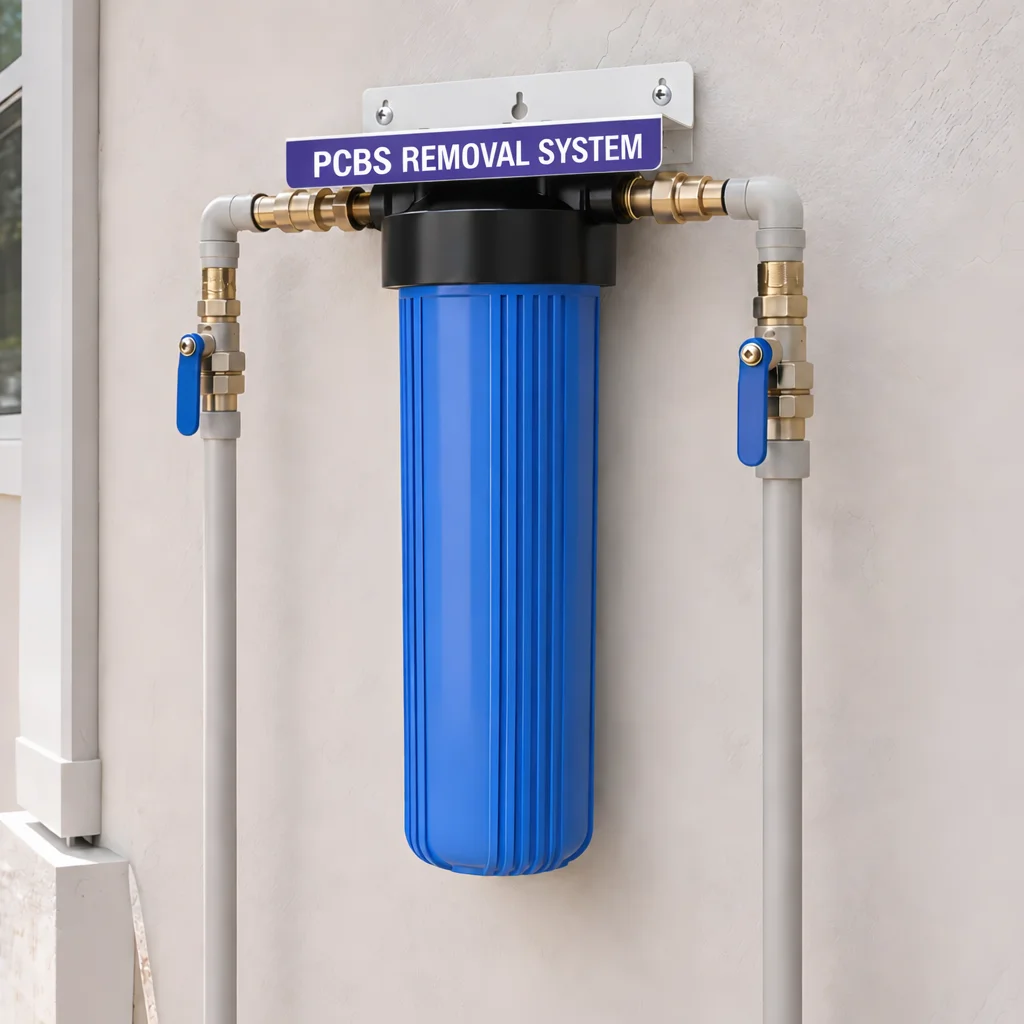
The most effective single-filter option for whole-house removal of PCBs is a high-quality activated carbon system, typically using catalytic carbon or a carbon block engineered for strong adsorption. Because PCBs are hydrophobic organic compounds, they bind well to carbon media rather than being caught by simple sediment filters. As water flows through the carbon, polychlorinated biphenyls adhere to the media and are reduced before reaching taps, helping improve overall water quality in Coral Springs households.
An activated carbon PCB filter must be sized with enough media and contact time to handle your home’s peak flow, and pre-filtration for sediment is often used upstream so the carbon doesn’t foul quickly. Adsorption capacity is finite, so regular cartridge or media replacement and proper system sizing are essential for consistent performance. Mr. Pure Water can help Coral Springs homeowners select and install a whole-house carbon system matched to local conditions and Broward County’s hard water characteristics.
 954-208-3500
 info@bestwaterheater.com

