 Phone: 772-290-5223
 info@bestwaterheater.com
Phone: 772-290-5223
info@bestwaterheater.com
info@bestwaterheater.com
Phone: 772-290-5223
info@bestwaterheater.com
 Phone: 772-290-5223
info@bestwaterheater.com
Phone: 772-290-5223
info@bestwaterheater.com

Including filter system and high-performance PCBs filter.


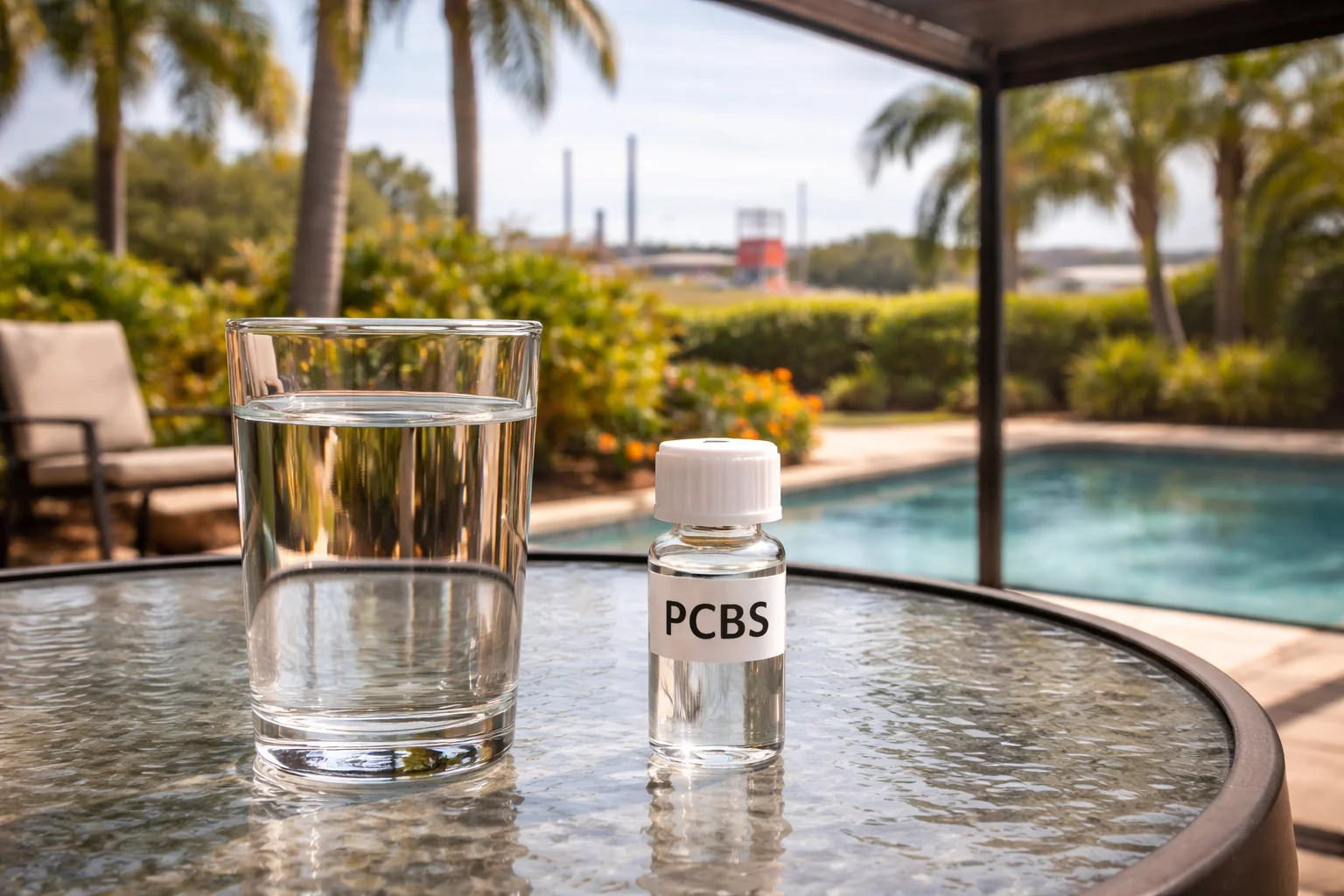
Polychlorinated biphenyls, commonly called PCBs, are industrial chemicals that persist in the environment and sometimes end up in water sources. Historically used in electrical gear and manufacturing, these compounds break down slowly and can linger in sediments and waterways. Homeowners around Harlem and across Hendry County may first hear about PCBs from local utility notices, neighborhood conversations, or independent testing of private wells—especially after heavy rains or storm-season flooding that can disturb sediments.
Because PCBs are typically at very low concentrations, you won’t detect them by sight, smell, or taste in tap water. They can reach drinking water through legacy contamination, runoff, or disturbed sediments in surface waters. Even when water looks clear, people in Harlem can understandably worry about long-term exposure during everyday tasks. A whole-house solution treats all the water entering your home—so cooking, bathing, laundry and general use are covered, not just a single faucet.
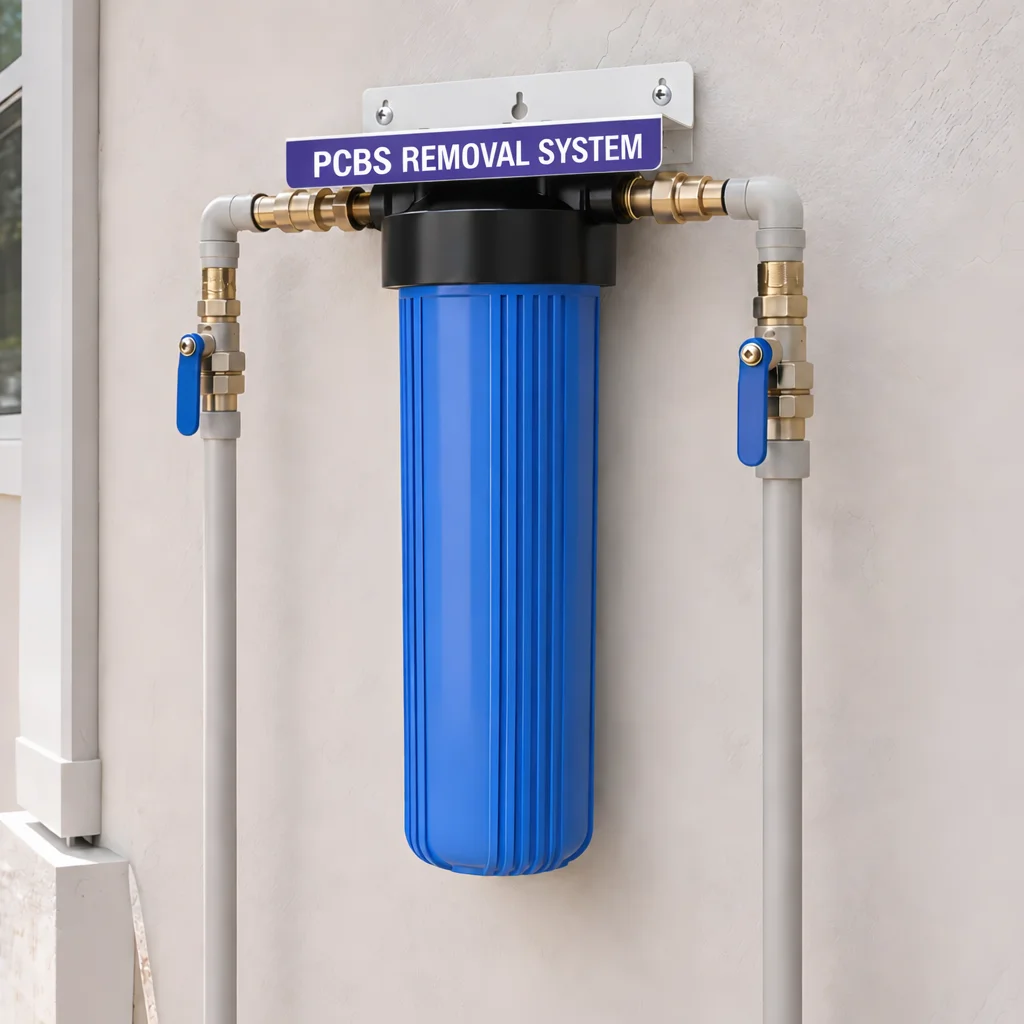
The most effective single-filter choice for whole-house PCB reduction is a high-quality activated carbon filter, typically using catalytic carbon or a carbon block designed for strong adsorption. PCBs are hydrophobic organic molecules, making them well suited to capture by carbon media rather than simple sediment filters. As water flows through the carbon bed, polychlorinated biphenyls adhere to the carbon surface and are reduced before reaching your taps, and the same filtration helps lower other organic contaminants that behave similarly.
To work reliably in Harlem homes—where hard, mineral-rich groundwater is common—an activated carbon PCB system needs sufficient contact time and enough media for your household flow, plus upstream sediment pre-filtration to prevent premature clogging. Carbon’s adsorption capacity will decline over time, so correct sizing and scheduled media or cartridge replacement are essential. Mr. Pure Water can assess your home and recommend a whole-house carbon system sized for Hendry County conditions and your daily water use.
 772-290-5223
 info@bestwaterheater.com

